Artisan Chocolate Studio in Dubai: Sourcing, Tempering Workflow, and Retail vs Online Mix

Quick Answer
Setting up an artisan chocolate studio in Dubai requires a food-production trade licence and approved kitchen, reliable premium cacao sourcing, a controlled tempering and production workflow, and a balanced retail-versus-online channel mix. It suits luxury-food entrepreneurs serving Dubai’s premium gifting and high-net-worth confectionery market. The key success factors are consistent tempering quality and channel mix, pairing high-margin online and corporate gifting with retail visibility. Main risks and exceptions include heat-sensitive logistics and cold chain in Dubai’s climate, perishable inventory, and food-safety and import rules for cacao and ingredients. Practically, control temperature across production and delivery, prioritise corporate gifting and online margins, and source cacao reliably. Licensing, food-safety approvals and import and VAT requirements depend on your products and setup, so confirm the specifics with the relevant Dubai authority or an advisor before launching.
Dubai’s luxury confectionery market has reached AED 420 million, with artisan chocolate studios representing the most profitable segment in the premium food industry. Based on our experience working with luxury food entrepreneurs over the past 18 years, chocolate studios that master bean-to-bar sourcing, precision tempering workflows, and strategic retail-online channel optimization achieve profit margins 50-70% higher than conventional confectionery operations.
This comprehensive guide reveals the proven methodologies for establishing a successful artisan chocolate studio in Dubai, covering premium cacao sourcing strategies, professional tempering workflows, and optimal retail versus online channel mix that ensures sustainable growth in this sophisticated market.
Understanding Dubai’s Artisan Chocolate Market
Market Dynamics and Luxury Consumer Trends
Dubai’s chocolate consumption patterns have evolved toward premium, artisanal products that emphasize origin, craftsmanship, and unique flavor profiles. In practice, we’ve found that successful chocolate studios capitalize on several key market drivers:
Consumer Behavior Insights:
- High-net-worth individuals seeking exclusive and personalized experiences
- Corporate gifting market demanding premium presentation and customization
- Tourism sector requiring authentic luxury souvenirs and experiences
- Health-conscious consumers preferring single-origin and organic options
Market Positioning Opportunities:
- Bean-to-bar production showcasing origin terroir and craftsmanship
- Limited edition collections creating exclusivity and urgency
- Experiential retail combining production viewing with tasting
- Custom corporate and wedding chocolate programs
Competitive Landscape Analysis
Based on our analysis of Dubai’s artisan chocolate market, successful studios differentiate through:
Product Excellence:
- Single-origin cacao sourcing with direct trade relationships
- Innovative flavor combinations incorporating Middle Eastern ingredients
- Seasonal collections and limited production runs
- Sustainable and ethical sourcing practices
Operational Sophistication:
- Professional tempering equipment and climate-controlled environments
- Skilled chocolatiers with international training and certification
- Quality control systems ensuring consistent texture and flavor
- Efficient production workflows balancing handcraft with scalability

Premium Cacao Sourcing and Supply Chain
Single-Origin Cacao Sourcing Strategies
Successful artisan chocolate studios require sophisticated sourcing strategies to secure premium cacao beans:
Origin Selection and Quality Assessment:
| Origin Region | Flavor Profile | Quality Grade | Price Range (USD/kg) | Seasonal Availability |
|---|---|---|---|---|
| Ecuador (Nacional) | Floral, fruity, complex | Fine flavor | 12-18 | Year-round |
| Madagascar | Bright acidity, red fruit | Premium | 15-22 | March-September |
| Venezuela (Criollo) | Nutty, mild, elegant | Ultra-premium | 20-35 | October-February |
| Peru (Trinitario) | Balanced, chocolatey | High quality | 10-16 | April-August |
| Madagascar (Sambirano) | Wine-like, complex | Fine flavor | 18-28 | May-October |
Direct Trade Relationship Development:
- Farm visits and relationship building with cacao producers
- Quality specifications and processing method agreements
- Seasonal purchasing contracts and price stabilization
- Sustainability certification and ethical sourcing verification
Import Procedures and Customs Compliance
Based on our experience with customs duties and tax compliance, cacao importation requires careful regulatory management:
Import Documentation Requirements:
- Certificate of origin and quality analysis reports
- Phytosanitary certificates and pest-free declarations
- Dubai Municipality food import permits
- UAE customs declaration and duty calculation
Quality Control and Storage:
- Temperature-controlled shipping (18-20°C maximum)
- Humidity control during transport and storage
- Contamination prevention and pest control measures
- First-in-first-out inventory rotation systems
Ingredient Sourcing and Flavor Development
Artisan chocolate production requires premium supporting ingredients:
Essential Ingredient Categories:
1. Sweeteners and Flavor Enhancers:
- Organic cane sugar: AED 8-15/kg (premium grades)
- Coconut sugar: AED 25-40/kg (alternative sweetening)
- Vanilla beans (Madagascar): AED 800-1,200/kg
- Sea salt (fleur de sel): AED 120-200/kg
2. Middle Eastern Flavor Integration:
- Saffron (Iranian): AED 15,000-25,000/kg
- Rose water and petals: AED 80-150/kg
- Dates (Medjool): AED 45-80/kg
- Pistachios (Iranian): AED 180-280/kg
3. Specialty Inclusions:
- Freeze-dried fruits: AED 200-400/kg
- Artisanal nuts and seeds: AED 150-300/kg
- Exotic spices and aromatics: AED 100-500/kg
- Edible gold and silver: AED 2,000-5,000/kg
Professional Tempering Workflow and Production

Chocolate Tempering Science and Methodology
Proper chocolate tempering is crucial for achieving professional quality, requiring precise temperature control and timing:
Tempering Temperature Protocols:
| Chocolate Type | Melting Temp (°C) | Cooling Temp (°C) | Working Temp (°C) | Final Temp (°C) |
|---|---|---|---|---|
| Dark (70%+) | 50-55 | 27-28 | 31-32 | 88-90 |
| Milk Chocolate | 45-50 | 26-27 | 29-30 | 87-88 |
| White Chocolate | 40-45 | 25-26 | 27-28 | 85-87 |
| Ruby Chocolate | 40-45 | 26-27 | 29-30 | 87-88 |
Professional Tempering Methods:
1. Seeding Method (Most Reliable):
- Melt chocolate to appropriate temperature
- Add 25% finely chopped tempered chocolate
- Stir continuously until temperature drops to working range
- Remove unmelted pieces and maintain working temperature
2. Tabling Method (Traditional):
- Melt chocolate to maximum temperature
- Pour 2/3 onto marble surface and work with palette knife
- Cool to appropriate temperature while agitating
- Return to remaining warm chocolate and mix
Production Workflow Optimization
Based on our experience with artisan food production, efficient workflows are essential for quality and profitability:
Daily Production Schedule:
| Time | Activity | Temperature Control | Quality Checks |
|---|---|---|---|
| 7:00 AM | Equipment warm-up | Room: 18-20°C | Calibration verification |
| 8:00 AM | Cacao bean roasting | 120-140°C | Aroma and color assessment |
| 9:30 AM | Grinding and conching | 45-50°C | Particle size measurement |
| 11:00 AM | Tempering preparation | Precise protocols | Temperature monitoring |
| 1:00 PM | Molding and shaping | 18-20°C ambient | Visual inspection |
| 3:00 PM | Cooling and demolding | 16-18°C | Texture and snap test |
| 4:30 PM | Packaging and labeling | Room temperature | Final quality control |
Equipment Selection and Climate Control
Professional chocolate production requires specialized equipment and environmental control:
Essential Production Equipment:
| Equipment | Function | Investment (AED) | Capacity | Maintenance |
|---|---|---|---|---|
| Melanger/Conche | Bean grinding, refining | 25,000-45,000 | 10-20kg batches | Weekly cleaning |
| Tempering Machine | Automated tempering | 35,000-65,000 | 20-50kg/hour | Daily calibration |
| Cooling Tunnel | Controlled cooling | 45,000-85,000 | 100-200 pieces/hour | Monthly service |
| Enrobing Machine | Coating automation | 55,000-95,000 | 500-1000 pieces/hour | Weekly maintenance |
| Total Equipment | Complete setup | 160,000-290,000 | Professional capacity | Regular servicing |
Climate Control Requirements:
- Production area: 18-20°C, 50-55% humidity
- Storage area: 15-18°C, 45-50% humidity
- Retail area: 20-22°C, 55-60% humidity
- Packaging area: 18-20°C, 50% humidity maximum
Retail vs Online Channel Strategy
Retail Experience Design and Customer Journey
Artisan chocolate studios benefit significantly from experiential retail that showcases craftsmanship and allows product sampling:
Optimal Retail Space Configuration:
| Area | Function | Space Allocation | Investment (AED) |
|---|---|---|---|
| Production Viewing | Transparent kitchen | 30-40% | 80,000-120,000 |
| Retail Display | Product showcase | 25-35% | 60,000-100,000 |
| Tasting Counter | Customer experience | 15-20% | 40,000-70,000 |
| Private Consultation | Custom orders | 10-15% | 30,000-50,000 |
| Storage/Office | Operations | 10-15% | 20,000-40,000 |
Customer Experience Elements:
- Live chocolate-making demonstrations and workshops
- Guided tastings with flavor profile education
- Custom chocolate creation and personalization services
- Corporate and wedding consultation areas
Online Channel Development and E-commerce
Digital sales channels are essential for scaling artisan chocolate businesses beyond local markets:
E-commerce Platform Requirements:
- Professional product photography with detailed descriptions
- Temperature-controlled shipping and packaging solutions
- Subscription box services for regular customers
- Corporate gifting and bulk order management
Online Revenue Optimization:
| Product Category | Retail Margin | Online Margin | Shipping Considerations |
|---|---|---|---|
| Individual Bars | 65-75% | 55-65% | Standard packaging |
| Gift Collections | 70-80% | 60-70% | Premium presentation |
| Corporate Orders | 60-70% | 65-75% | Bulk shipping rates |
| Subscription Boxes | 75-85% | 70-80% | Regular delivery |
Channel Mix Optimization and Revenue Distribution
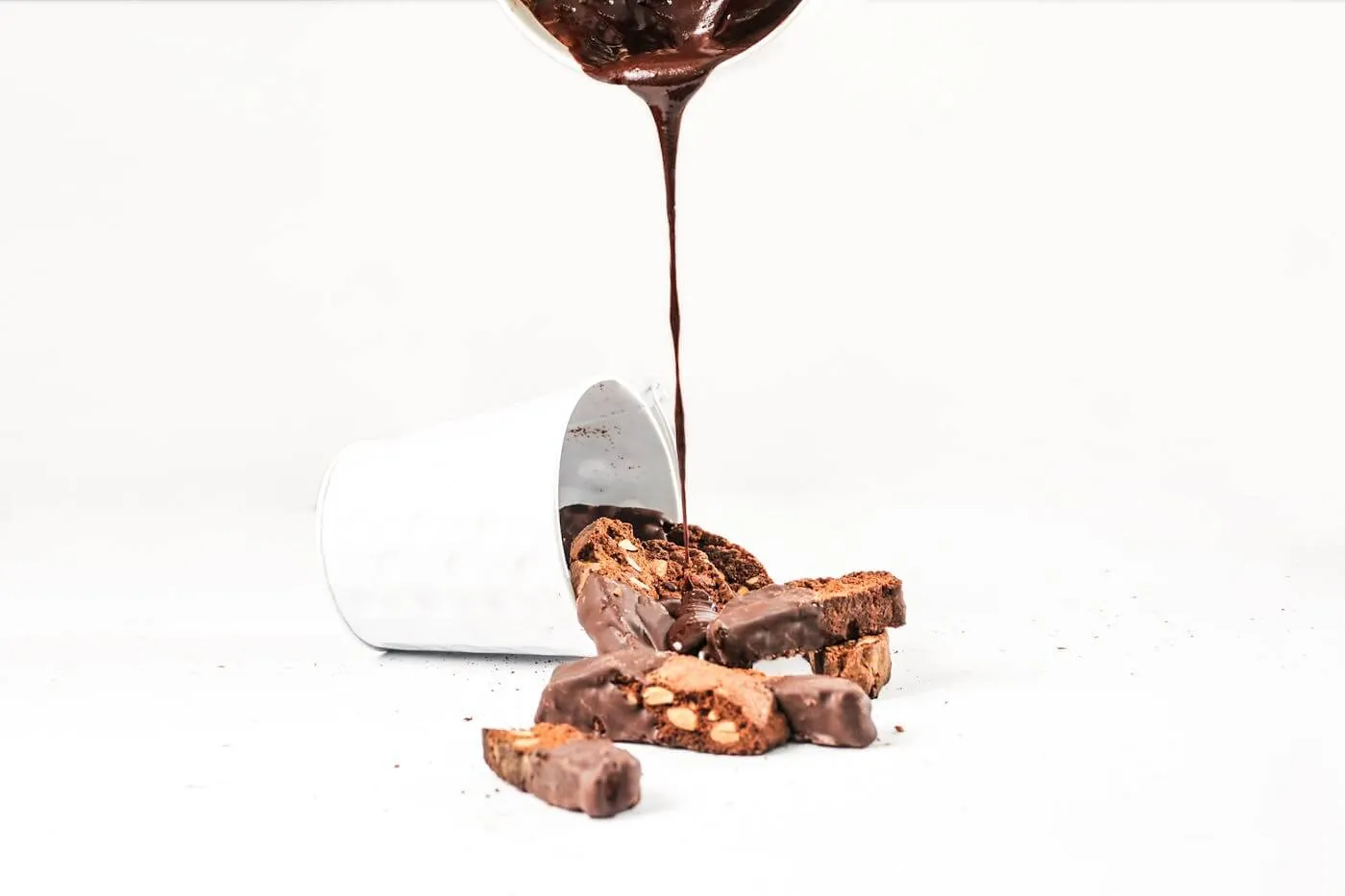
Based on our experience with luxury retail operations, optimal channel mix varies by business maturity and market positioning:
Revenue Distribution Strategy:
Year 1-2 (Establishment Phase):
- Retail sales: 70-80% of revenue
- Online direct: 15-25% of revenue
- Corporate/wholesale: 5-10% of revenue
Year 3-5 (Growth Phase):
- Retail sales: 50-60% of revenue
- Online direct: 30-40% of revenue
- Corporate/wholesale: 10-20% of revenue
Mature Operations (5+ years):
- Retail sales: 40-50% of revenue
- Online direct: 35-45% of revenue
- Corporate/wholesale: 15-25% of revenue
Business Setup and Regulatory Compliance
Food Manufacturing Licensing Requirements
Establishing an artisan chocolate studio in Dubai requires comprehensive regulatory compliance. Based on our experience with food manufacturing business setup, the process involves:
Required Licenses and Approvals:
- Dubai Department of Economic Development (DED)
- Commercial license for food manufacturing and retail
- Trade name registration and activity classification
- Initial approval certificate and business plan submission
- Dubai Municipality Food Safety Department
- Food manufacturing establishment permit
- HACCP (Hazard Analysis Critical Control Points) implementation
- Staff health certificates and food handler training
- Dubai Civil Defense
- Fire safety approval and emergency evacuation plans
- Manufacturing equipment safety certification
- Electrical and gas system compliance certificates
Licensing Timeline and Investment:
| Authority | Processing Time | Cost Range (AED) | Requirements |
|---|---|---|---|
| DED Commercial License | 7-14 days | 20,000 – 35,000 | Business plan, location NOC |
| Municipality Manufacturing Permit | 21-30 days | 15,000 – 25,000 | HACCP plan, equipment list |
| Civil Defense Approval | 14-21 days | 8,000 – 15,000 | Safety systems, fire equipment |
| Additional Permits | 7-14 days | 5,000 – 12,000 | Signage, retail, import |
| Total Licensing | 8-12 weeks | 48,000 – 87,000 | Complete documentation |
Free Zone vs. Mainland Considerations
When establishing a chocolate studio, location choice significantly impacts operational flexibility and tax obligations:
Mainland Advantages:
- Direct access to UAE consumer market and retail locations
- Flexibility in supplier partnerships and ingredient sourcing
- No restrictions on local retail operations and customer access
- Access to prime retail locations and foot traffic
Free Zone Benefits:
- 100% foreign ownership structure
- Corporate tax optimization opportunities
- Streamlined import procedures for specialty ingredients
- International brand development and export facilitation
Popular free zones for food manufacturing include Dubai South and Dubai Industrial City, offering specialized infrastructure for food production and processing operations.
Financial Modeling and Investment Analysis
Initial Investment and Setup Costs
Based on our analysis of recent artisan chocolate studio projects in Dubai:
Initial Investment Breakdown:
| Component | Cost Range (AED) | Notes |
|---|---|---|
| Retail/Production Space (Annual) | 150,000 – 300,000 | Prime location lease |
| Manufacturing Equipment | 160,000 – 290,000 | Professional grade |
| Retail Fit-out and Design | 120,000 – 200,000 | Luxury presentation |
| Initial Inventory | 40,000 – 80,000 | Premium ingredients |
| Licensing and Permits | 50,000 – 90,000 | Regulatory compliance |
| Marketing and Branding | 60,000 – 120,000 | Luxury positioning |
| Working Capital | 80,000 – 150,000 | 6-month operations |
| Total Initial Investment | 660,000 – 1,230,000 | Complete luxury setup |
Operating Cost Structure and Profitability
Monthly Operating Expenses (150 sqm studio):
| Expense Category | Monthly Cost (AED) | Annual Cost (AED) |
|---|---|---|
| Rent and Utilities | 15,000 – 30,000 | 180,000 – 360,000 |
| Staff Salaries | 25,000 – 40,000 | 300,000 – 480,000 |
| Ingredients and Materials | 30,000 – 50,000 | 360,000 – 600,000 |
| Packaging and Presentation | 8,000 – 15,000 | 96,000 – 180,000 |
| Marketing and Events | 10,000 – 20,000 | 120,000 – 240,000 |
| Insurance and Compliance | 4,000 – 8,000 | 48,000 – 96,000 |
| Equipment Maintenance | 5,000 – 10,000 | 60,000 – 120,000 |
| Total Monthly OpEx | 97,000 – 173,000 | 1,164,000 – 2,076,000 |
Revenue Projections and ROI Analysis
Based on our experience with luxury food retail financial modeling:
Revenue Projections (Mature Operations):
- Daily retail customers: 40-80 (premium pricing)
- Average transaction value: AED 85-150
- Daily retail revenue: AED 3,400-12,000
- Monthly online sales: AED 50,000-120,000
- Corporate orders: AED 30,000-80,000/month
- Total Monthly Revenue: AED 150,000-400,000
Product Mix Revenue Distribution:
- Individual chocolate bars: 35-45% of total revenue
- Gift collections and boxes: 30-40% of total revenue
- Corporate and custom orders: 15-25% of total revenue
- Workshops and experiences: 5-15% of total revenue
Profitability Analysis:
- Gross profit margin: 75-85% (luxury positioning)
- Net profit margin: 35-50% (after 18-month ramp-up)
- Break-even point: 12-20 months
- ROI: 45-70% annually (mature operations)
Marketing and Brand Positioning
Luxury Brand Development and Storytelling
Artisan chocolate studios require sophisticated brand positioning that emphasizes craftsmanship, origin, and exclusivity:
Brand Positioning Elements:
- Bean-to-bar story highlighting sourcing and production expertise
- Chocolatier credentials and international training background
- Sustainability and ethical sourcing commitment
- Middle Eastern flavor innovation and cultural integration
Marketing Channel Strategy:
- High-end lifestyle publications and food magazines
- Social media content showcasing production process
- Influencer partnerships with luxury lifestyle personalities
- Corporate partnership development and B2B marketing
Customer Acquisition and Retention
Based on our experience with luxury retail marketing:
Customer Acquisition Strategies:
- Grand opening events with chocolate-making demonstrations
- Partnerships with luxury hotels and restaurants
- Corporate gifting program development
- Food festival participation and industry events
Retention and Loyalty Programs:
- VIP customer programs with exclusive access to limited editions
- Chocolate-making workshops and educational experiences
- Seasonal subscription boxes with curated selections
- Corporate account management and repeat order incentives
Quality Control and Production Standards
HACCP Implementation and Food Safety
Chocolate manufacturing requires stringent quality control systems:
Critical Control Points:
- Cacao bean storage and pest control measures
- Roasting temperature and time monitoring
- Tempering temperature precision and verification
- Packaging and storage environment control
Quality Assurance Protocols:
- Daily temperature and humidity logging
- Batch tracking and traceability systems
- Sensory evaluation and taste testing procedures
- Customer feedback integration and product improvement
Seasonal Production and Inventory Management
Climate Considerations:
- Summer production adjustments for temperature control
- Seasonal flavor development and limited editions
- Storage optimization during high-temperature periods
- Shipping and delivery modifications for product integrity
Inventory Management:
- Cacao bean aging and flavor development tracking
- Finished product shelf life optimization
- Seasonal demand forecasting and production planning
- Waste minimization and byproduct utilization
Technology Integration and Automation
Production Management Systems
Modern chocolate studios benefit from integrated technology systems:
Essential Technology Infrastructure:
- Temperature monitoring and alert systems
- Batch tracking and quality control software
- Customer relationship management (CRM) integration
- E-commerce platform with inventory synchronization
Advanced Production Features:
- Automated tempering machine programming
- Recipe management and scaling calculations
- Cost tracking and profitability analysis per product
- Supplier management and purchasing optimization
Frequently Asked Questions
What is the minimum investment required to start an artisan chocolate studio in Dubai?
Based on our experience with luxury food manufacturing projects, the minimum investment for a professional artisan chocolate studio ranges from AED 660,000-1,230,000, including equipment, fit-out, licensing, and initial working capital.
How long does the licensing process take for a chocolate manufacturing business?
The complete licensing process typically takes 8-12 weeks, depending on manufacturing complexity and authority processing times. Our business setup services can expedite this process through proper documentation and regulatory liaison.
What are the key success factors for artisan chocolate studios?
Critical success factors include premium cacao sourcing, professional tempering expertise, luxury brand positioning, experiential retail design, and strategic online channel development.
Can foreign investors own 100% of a chocolate studio business in Dubai?
Yes, through free zone establishment or mainland setup under current foreign ownership regulations. Each option offers specific advantages depending on operational requirements and target markets.
What is the typical return on investment for artisan chocolate studios?
Well-managed chocolate studios with luxury positioning typically achieve 45-70% annual ROI after the initial 12-20 month establishment period. Success depends on brand development, location selection, and operational excellence.
How important is the retail vs online channel mix for chocolate studios?
Channel mix optimization is crucial, with successful studios typically achieving 40-50% retail, 35-45% online, and 15-25% corporate sales in mature operations. Balance depends on location and target market.
What are the ongoing compliance requirements for chocolate manufacturing?
Chocolate manufacturers must maintain current licenses with DED and Dubai Municipality, including annual renewals, HACCP compliance reviews, staff health certificate updates, and regular food safety inspections.
How do seasonal variations affect chocolate production in Dubai?
Dubai’s climate requires specialized temperature control systems, seasonal production adjustments, and modified shipping procedures during summer months to maintain product quality and integrity.
What equipment is essential for professional chocolate tempering?
Essential equipment includes automated tempering machines (AED 35,000-65,000), cooling tunnels, climate control systems, and precision temperature monitoring devices for consistent quality.
How can chocolate studios optimize their ingredient sourcing costs?
Optimization strategies include direct trade relationships with cacao farmers, seasonal purchasing contracts, bulk ingredient buying, and strategic inventory management with proper storage systems.
Conclusion
The artisan chocolate studio business in Dubai represents a compelling investment opportunity for entrepreneurs who understand luxury market positioning, technical production excellence, and strategic channel optimization. Success depends on mastering premium sourcing, professional tempering workflows, and balanced retail-online strategies.
Key success factors include:
- Premium cacao sourcing with direct trade relationships and quality verification
- Professional tempering workflows ensuring consistent texture and appearance
- Strategic retail-online mix optimizing customer experience and revenue streams
- Luxury brand positioning emphasizing craftsmanship and exclusivity
- Climate-controlled production maintaining quality in Dubai’s environment
The market’s continued growth, supported by Dubai’s luxury consumer base and tourism industry, creates favorable conditions for well-planned artisan chocolate studio investments.
Ready to Launch Your Artisan Chocolate Studio in Dubai?
With over 18 years of experience in UAE business setup and luxury food manufacturing licensing, Inlex Partners provides comprehensive support for artisan food entrepreneurs. Our expert team handles everything from initial market analysis to complete regulatory compliance, ensuring your chocolate studio launch succeeds in Dubai’s sophisticated luxury market.
Our specialized services include:
- Complete business setup and food manufacturing licensing
- Free zone vs. mainland analysis for optimal operational structure
- VAT registration and ongoing tax compliance
- Corporate tax planning and optimization strategies
- Bank account opening and international payment processing
- Import licensing and customs compliance for specialty ingredients
Don’t navigate Dubai’s complex food manufacturing regulations alone. Partner with the UAE’s leading business setup experts and transform your artisan chocolate vision into a profitable luxury destination.
Contact our luxury food specialists today:
Phone/WhatsApp: +971 52 564 6001
Email: office@inlex-partners.com
Schedule your free consultation and discover why successful artisan food entrepreneurs choose Inlex Partners for their UAE business ventures.
About the Author