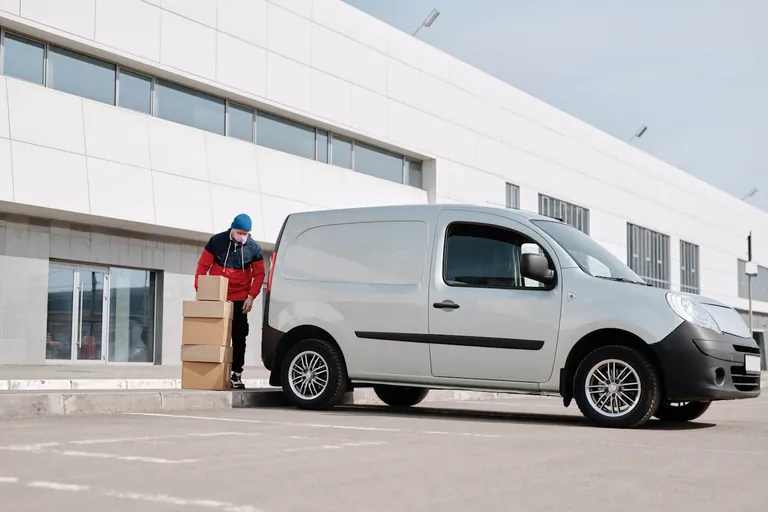
Delivery Service License in Dubai, UAE: Your Complete Guide to Success in the Booming Logistics Market

Quick Answer
To run a delivery service in Dubai you need a delivery or courier trade licence matched to your segment, food delivery, e-commerce logistics, courier or specialised (for example pharmaceutical), from the mainland or a free zone, plus vehicle and driver permits. It suits entrepreneurs riding Dubai’s e-commerce and on-demand delivery boom. The key criterion is the right licence and jurisdiction for your delivery type, since some segments such as pharma or food carry extra approvals. Main risks and exceptions include sector-specific permits, vehicle, rider and RTA requirements, driver visas and labour rules, and thin margins. Practically, choose the licence that fits your segment, secure vehicle and driver permits, and build efficient routing and fulfilment. Because licensing and sector rules vary and evolve, requirements depend on your setup, so confirm current rules with the relevant Dubai authority or an advisor before launching.
Dubai’s delivery service market has experienced unprecedented growth, with the sector valued at over AED 8.5 billion in 2024 and projected to reach AED 15 billion by 2027. The emirate’s strategic position as a global logistics hub, combined with the e-commerce boom and changing consumer behaviors, has created exceptional opportunities for delivery service providers across multiple sectors.
Based on our 16 years of experience helping over 2,500 logistics and delivery businesses establish operations in Dubai, we’ve witnessed firsthand how the right delivery service license can unlock tremendous growth potential. In practice, we’ve found that businesses with properly structured delivery licenses consistently capture market share across B2B, B2C, and specialized delivery segments, generating substantial returns on investment within the first 18-24 months of operation.
Whether you’re planning to launch food delivery services, e-commerce logistics, pharmaceutical distribution, or specialized courier operations, understanding the intricacies of Dubai’s delivery service licensing requirements, optimal jurisdictional choices, and strategic market positioning is crucial for building a sustainable and profitable enterprise in this dynamic and competitive industry.
Understanding Dubai’s Delivery Service Market
Market Overview and Opportunities
Dubai Delivery Market Segmentation:
| Sector | Market Size (AED Million) | Growth Rate | Key Drivers |
|---|---|---|---|
| Food Delivery | 2,850 | 18.5% annually | Restaurant partnerships, consumer convenience |
| E-commerce Logistics | 3,200 | 22.3% annually | Online shopping growth, same-day delivery |
| Pharmaceutical Delivery | 680 | 15.8% annually | Healthcare digitization, prescription services |
| Document & Courier | 920 | 12.4% annually | Business services, legal document delivery |
| Grocery & Retail | 1,450 | 25.7% annually | Quick commerce, hyperlocal delivery |
Key Market Drivers:
- Dubai’s population growth (3.5 million residents, 16 million annual visitors)
- E-commerce penetration increase (65% of population shops online)
- Government digitization initiatives and smart city projects
- Expo 2020 legacy infrastructure and logistics capabilities
- Strategic location connecting Asia, Europe, and Africa
Competitive Landscape Analysis
Major Market Players:
- International platforms: Uber Eats, Deliveroo, Amazon Prime
- Regional leaders: Talabat, Noon, Careem NOW
- Specialized services: Medicinal delivery, luxury goods, B2B logistics
- Emerging niches: Sustainable delivery, hyperlocal services
Market Entry Opportunities:
Based on our analysis of successful delivery businesses:
- Specialized delivery services (pharmaceuticals, luxury goods, documents)
- Hyperlocal delivery within specific communities or business districts
- B2B logistics and supply chain solutions
- Sustainable and eco-friendly delivery options
- Technology-enabled logistics and warehousing services

Types of Delivery Service Licenses
Mainland Dubai Delivery License
Advantages of Mainland Operations:
- Access to entire Dubai market without restrictions
- Ability to serve government and semi-government entities
- Direct contracts with UAE residents and businesses
- Comprehensive territorial coverage across all Dubai areas
- Local market credibility and trust establishment
Authorized Activities:
- General courier and delivery services
- Food and beverage delivery
- E-commerce and retail logistics
- Document and parcel delivery
- Pharmaceutical and medical supply delivery
- Specialized cargo and freight services
Key Requirements:
- UAE national partner (51% ownership) or 100% foreign ownership under new regulations
- Minimum share capital: AED 300,000
- Physical office space in approved commercial areas
- Professional driving licenses and vehicle registrations
- Municipality approvals and health permits (for food delivery)
Free Zone Delivery License Options
Dubai South (DWC) – Logistics Excellence:
Dubai South offers exceptional advantages for delivery service providers:
Strategic Benefits:
- 100% foreign ownership with full repatriation rights
- Proximity to Al Maktoum International Airport and Jebel Ali Port
- Advanced logistics infrastructure and warehousing facilities
- Competitive operational costs and streamlined procedures
- Access to major transportation networks and highways
License Features:
- Minimum share capital: AED 50,000
- Office space: From AED 12,000 annually
- Warehouse facilities: Flexible sizing and pricing
- Vehicle registration and fleet management support
Dubai Logistics City:
Dubai Logistics City provides specialized logistics and delivery infrastructure:
Key Advantages:
- Purpose-built logistics and distribution facilities
- Integrated supply chain and warehousing solutions
- Advanced technology and automation capabilities
- Multimodal transportation connectivity
- Specialized logistics service provider ecosystem
Jebel Ali Free Zone (JAFZA):
Jebel Ali Free Zone offers access to the region’s largest trade and logistics hub:
Benefits:
- Access to 7,000+ companies requiring delivery services
- Port and maritime logistics integration
- Established business ecosystem and networking opportunities
- International trade and cross-border delivery capabilities
Dubai Airport Free Zone (DAFZA):
Dubai Airport Free Zone provides aviation-focused logistics opportunities:
Advantages:
- Direct airport access and cargo handling capabilities
- Express delivery and time-sensitive shipment services
- International courier and freight forwarding opportunities
- Premium service positioning and pricing potential
License Application Process
Pre-Application Planning
Business Model Development:
Service Portfolio Definition:
Based on our experience with successful delivery businesses:
- Target market identification and analysis
- Service offering specialization and differentiation
- Pricing strategy and competitive positioning
- Technology platform and operational system requirements
Market Research and Feasibility:
- Demand analysis and customer segmentation
- Competitor landscape assessment and gap identification
- Regulatory requirement analysis and compliance planning
- Financial projections and investment requirement assessment
Operational Planning:
- Fleet size and vehicle type requirements
- Staffing needs and recruitment planning
- Technology infrastructure and software systems
- Quality control and customer service standards
Step-by-Step Application Process
Phase 1: Initial Setup and Documentation
Corporate Structure Establishment:
- Business Name Reservation:
- Trade name availability verification
- Name approval and reservation process
- Trademark considerations and protection
- Corporate Documentation:
- Memorandum and Articles of Association preparation
- Shareholder agreements and board resolutions
- Power of attorney and authorized signatory designation
Phase 2: License Application and Approvals
Department of Economic Development (DED) Process:
- License Application Submission:
- Complete application form and supporting documents
- Professional qualification verification
- Experience certificate authentication
- Fee payment and processing
- Municipality Approvals:
- Business location approval and NOC
- Health department permits (for food delivery)
- Transportation and vehicle registration approvals
- Fire safety and civil defense clearances
Phase 3: Operational Permits and Certifications
Specialized Permits:
- Food handling and safety certifications (for food delivery)
- Pharmaceutical distribution permits (for medical delivery)
- Hazardous materials handling licenses (if applicable)
- International courier and customs clearance permits
Vehicle and Fleet Registration:
- Commercial vehicle registration and licensing
- Driver license verification and training
- Vehicle insurance and safety compliance
- GPS tracking and fleet management system installation
Required Documentation

Corporate Documentation:
Essential Corporate Papers:
- Certificate of Incorporation and registration
- Memorandum and Articles of Association
- Board of Directors resolution and appointments
- Shareholder agreements and ownership structure
- Power of Attorney for authorized representatives
Professional Qualification Documents:
- Business management experience certificates (minimum 2-3 years)
- Logistics and transportation industry experience
- Professional driving licenses and certifications
- Safety training and compliance certificates
- Customer service and quality management training
Financial Documentation:
- Bank statements and financial capacity proof
- Business plan and financial projections
- Insurance coverage documentation and policies
- Capital adequacy and funding source verification
Costs and Financial Requirements
Initial Setup Costs
Mainland License Cost Breakdown:
| Component | Cost Range (AED) | Notes |
|---|---|---|
| Trade License | 15,000 – 25,000 | DED fees and processing |
| Municipality Permit | 5,000 – 12,000 | Location and service dependent |
| Health Permits | 3,000 – 8,000 | For food delivery services |
| Office Rent (Annual) | 25,000 – 60,000 | Location and size dependent |
| Security Deposit | 5,000 – 12,000 | Typically 10-20% of annual rent |
| Vehicle Registration | 8,000 – 15,000 | Per vehicle, including insurance |
| Total Initial Cost | 61,000 – 132,000 | Excluding working capital |
Free Zone License Cost Comparison:
| Free Zone | License Fee | Office Rent | Vehicle Costs | Total Setup |
|---|---|---|---|---|
| Dubai South | 18,000 – 28,000 | 12,000 – 30,000 | 10,000 – 20,000 | 50,000 – 88,000 |
| Dubai Logistics City | 22,000 – 35,000 | 15,000 – 40,000 | 12,000 – 25,000 | 59,000 – 110,000 |
| JAFZA | 25,000 – 40,000 | 20,000 – 50,000 | 15,000 – 30,000 | 70,000 – 130,000 |
| DAFZA | 28,000 – 45,000 | 25,000 – 60,000 | 18,000 – 35,000 | 81,000 – 150,000 |
Ongoing Operational Costs
Annual Renewal and Compliance Costs:
License Renewal Fees:
- Trade license renewal: AED 8,000 – 15,000
- Municipality permit renewal: AED 3,000 – 8,000
- Health permit renewal: AED 2,000 – 5,000
- Vehicle registration renewal: AED 2,000 – 4,000 per vehicle
- VAT registration and compliance: AED 8,000 – 15,000
Operational Expenses:
- Office rent and utilities: AED 25,000 – 60,000 annually
- Vehicle lease/purchase and maintenance: AED 15,000 – 30,000 per vehicle
- Fuel and operational costs: AED 8,000 – 15,000 per vehicle annually
- Staff salaries and benefits: AED 40,000 – 120,000 per driver annually
- Insurance premiums: AED 5,000 – 12,000 per vehicle annually
- Technology and software systems: AED 10,000 – 25,000 annually
Business Setup Requirements
Physical Infrastructure

Office Space Requirements:
Minimum Office Specifications:
- Office size: Minimum 200-400 sq ft depending on jurisdiction
- Commercial location in approved business districts
- Reception area and customer service facilities
- Storage space for packages and inventory
- Parking facilities for delivery vehicles
Warehouse and Storage Facilities:
For businesses requiring inventory management:
- Climate-controlled storage areas
- Security systems and access controls
- Loading and unloading facilities
- Inventory management and tracking systems
Fleet and Vehicle Requirements
Vehicle Specifications:
Delivery Vehicle Categories:
- Motorcycles and Scooters:
- Ideal for food delivery and small packages
- Cost-effective for urban delivery
- Quick navigation through traffic
- Lower operational and maintenance costs
- Light Commercial Vehicles:
- Suitable for e-commerce and retail delivery
- Higher payload capacity
- Professional appearance and branding opportunities
- Climate-controlled cargo areas
- Specialized Vehicles:
- Refrigerated vehicles for food and pharmaceutical delivery
- Secure vehicles for valuable item delivery
- Large capacity vehicles for bulk delivery
- Electric vehicles for sustainable operations
Vehicle Registration and Compliance:
- Commercial vehicle registration with RTA
- Comprehensive insurance coverage
- Regular safety inspections and maintenance
- GPS tracking and fleet management systems
- Driver training and certification programs
Technology Infrastructure
Essential Technology Systems:
Delivery Management Platform:
- Order management and dispatch systems
- Real-time tracking and monitoring
- Customer communication and notifications
- Route optimization and navigation
- Performance analytics and reporting
Mobile Applications:
- Customer-facing ordering and tracking apps
- Driver mobile applications for order management
- Admin dashboard for operations management
- Integration with payment gateways and systems
Quality Control and Customer Service:
- Customer feedback and rating systems
- Quality assurance and monitoring procedures
- Customer service and support systems
- Complaint handling and resolution processes
Regulatory Compliance and Legal Requirements
Health and Safety Regulations
Food Delivery Compliance:
Dubai Municipality Requirements:
- Food handler permits for all delivery staff
- Vehicle hygiene and temperature control standards
- Food safety training and certification
- Regular health inspections and audits
Health Department Permits:
- Food establishment permit for food delivery services
- Health certificate for food handling staff
- Hygiene and sanitation compliance
- Temperature monitoring and documentation
Transportation and Vehicle Regulations
Roads and Transport Authority (RTA) Compliance:
Commercial Vehicle Requirements:
- Commercial driving license for all drivers
- Vehicle fitness certificates and inspections
- Commercial vehicle insurance coverage
- Traffic violation monitoring and management
Driver Requirements:
- Valid UAE driving license
- Clean driving record and background check
- Professional driving training and certification
- Customer service and communication skills training
Tax and Financial Compliance
VAT Registration and Compliance:
For delivery businesses with annual turnover exceeding AED 375,000:
VAT Registration Requirements:
- Mandatory registration for qualifying businesses
- Monthly or quarterly VAT return filing
- Proper invoicing and record-keeping systems
- VAT audit preparation and compliance procedures
- Corporate tax registration for qualifying businesses
- Annual tax return filing and compliance
- Transfer pricing documentation (if applicable)
- Professional tax advisory and planning services
Market Entry and Growth Strategies
Target Market Identification
B2C Delivery Services:
Consumer Segments:
- Busy professionals and working families
- Elderly and mobility-limited customers
- Tech-savvy millennials and Gen Z consumers
- Expatriate communities and tourists
Service Opportunities:
- Food and restaurant delivery
- Grocery and retail delivery
- Pharmacy and healthcare delivery
- Document and parcel delivery
B2B Delivery Services:
Business Segments:
- Small and medium enterprises (SMEs)
- E-commerce and online retailers
- Restaurants and food service businesses
- Healthcare and pharmaceutical companies
- Legal and professional service firms
Service Portfolio:
- Same-day and express delivery
- Scheduled and recurring delivery services
- Bulk and wholesale delivery
- Specialized handling and white-glove services
Competitive Positioning and Differentiation
Value Proposition Development:
Service Excellence Factors:
Based on our analysis of successful delivery businesses:
- Reliability and on-time delivery performance
- Real-time tracking and communication
- Professional and courteous service
- Competitive pricing and transparent fees
- Technology-enabled convenience and efficiency
Specialization Opportunities:
- Niche market focus (luxury goods, pharmaceuticals, documents)
- Geographic specialization (specific communities or business districts)
- Service differentiation (eco-friendly delivery, premium services)
- Technology innovation (AI-powered routing, predictive analytics)
Partnership and Network Development
Strategic Partnerships:
Restaurant and Food Service Partnerships:
- Exclusive delivery partnerships with restaurants
- White-label delivery services for restaurant chains
- Catering and event delivery services
- Ghost kitchen and cloud restaurant support
E-commerce and Retail Partnerships:
- Last-mile delivery for online retailers
- Same-day and express delivery services
- Returns and exchange handling
- Inventory management and fulfillment services
Healthcare and Pharmaceutical Partnerships:
- Prescription delivery services
- Medical supply and equipment delivery
- Healthcare facility logistics support
- Patient care and home healthcare delivery
Technology and Innovation
Digital Transformation
Advanced Technology Integration:
Artificial Intelligence and Machine Learning:
- Route optimization and traffic prediction
- Demand forecasting and capacity planning
- Customer behavior analysis and personalization
- Predictive maintenance for vehicle fleets
Internet of Things (IoT) Integration:
- Real-time vehicle tracking and monitoring
- Temperature and condition monitoring for sensitive deliveries
- Fuel efficiency and performance optimization
- Predictive maintenance and fleet management
Blockchain and Security:
- Secure and transparent delivery tracking
- Smart contracts for automated payments
- Supply chain transparency and verification
- Data security and privacy protection
Sustainability and Environmental Responsibility
Green Delivery Initiatives:
Electric Vehicle Adoption:
- Electric motorcycle and vehicle fleet development
- Charging infrastructure and energy management
- Carbon footprint reduction and environmental impact
- Government incentives and support programs
Sustainable Packaging and Operations:
- Eco-friendly packaging materials and solutions
- Waste reduction and recycling programs
- Sustainable supply chain and procurement
- Environmental certification and compliance
Financial Planning and Business Development
Revenue Models and Pricing Strategies
Delivery Service Pricing Framework:
Pricing Model Options:
- Per-Delivery Pricing:
- Standard delivery: AED 5-15 per delivery
- Express delivery: AED 10-25 per delivery
- Specialized delivery: AED 15-50 per delivery
- Subscription-Based Pricing:
- Monthly unlimited delivery: AED 50-150
- Annual subscription plans: AED 500-1,500
- Premium service tiers: AED 100-300 monthly
- Commission-Based Pricing:
- Restaurant delivery: 15-30% commission
- E-commerce delivery: 8-20% commission
- Marketplace delivery: 10-25% commission
Financial Projections and Growth Planning
Revenue Forecasting:
Year 1-3 Financial Projections:
| Year | Revenue (AED) | Operating Costs | Net Profit | Growth Rate |
|---|---|---|---|---|
| Year 1 | 800,000 – 1,200,000 | 600,000 – 900,000 | 200,000 – 300,000 | – |
| Year 2 | 1,200,000 – 2,000,000 | 850,000 – 1,400,000 | 350,000 – 600,000 | 50-67% |
| Year 3 | 1,800,000 – 3,200,000 | 1,200,000 – 2,200,000 | 600,000 – 1,000,000 | 50-60% |
Key Performance Indicators:
- Daily delivery volume and growth rate
- Average order value and customer lifetime value
- Delivery time performance and customer satisfaction
- Fleet utilization and operational efficiency metrics
Frequently Asked Questions
Q: What types of delivery services can I operate with a Dubai delivery license?
A: You can operate food delivery, e-commerce logistics, document courier, pharmaceutical delivery, grocery delivery, and specialized cargo services, depending on your license specifications.
Q: Do I need a UAE national partner for a delivery service license?
A: For mainland licenses, traditionally yes (51% UAE national ownership), but new regulations allow 100% foreign ownership in many sectors. Free zones offer 100% foreign ownership.
Q: What are the vehicle requirements for delivery services in Dubai?
A: Vehicles must be commercially registered, properly insured, equipped with GPS tracking, and meet specific requirements based on delivery type (refrigerated for food, secure for valuables).
Q: How long does it take to obtain a delivery service license in Dubai?
A: Typically 25-35 business days for mainland licenses and 15-25 business days for free zone licenses, depending on document readiness and authority processing times.
Q: What permits do I need for food delivery services?
A: Food delivery requires additional health department permits, food handler certificates for staff, vehicle hygiene compliance, and regular health inspections.
Q: Can I operate across all UAE emirates with a Dubai delivery license?
A: Mainland Dubai licenses allow operations across UAE with proper permits, while free zone licenses may have territorial restrictions requiring additional approvals.
Q: What insurance coverage is required for delivery businesses?
A: Comprehensive commercial vehicle insurance, general liability coverage, goods in transit insurance, and professional indemnity insurance are typically required.
Q: How much working capital should I plan for a delivery business?
A: Plan for 6-12 months of operating expenses, including vehicle costs, staff salaries, fuel, and marketing, typically ranging from AED 300,000-800,000.
Conclusion
Dubai’s delivery service market represents one of the most dynamic and profitable business opportunities in the region’s rapidly evolving economy. With the emirate’s strategic position as a global logistics hub, growing population, and increasing demand for convenience services, the potential for delivery service providers continues to expand across all sectors.
Based on our 16 years of experience helping businesses establish and grow in Dubai’s competitive market, we’ve seen delivery service providers achieve remarkable success by combining strategic positioning, operational excellence, and technology-driven solutions. The key to success lies in understanding the regulatory landscape, choosing the optimal jurisdiction, and building scalable business models that deliver consistent value to customers.
Whether you choose to establish operations in Dubai’s mainland market for maximum reach, Dubai South for logistics advantages, or specialized free zones that align with your service focus, the delivery service license provides the foundation for building a thriving enterprise in one of the world’s most dynamic business environments.
The investment in proper setup, regulatory compliance, and strategic planning pays dividends through sustainable growth, market credibility, and long-term profitability. With the right approach and professional guidance, your delivery service license can become the cornerstone of a successful and expanding logistics empire in Dubai’s booming economy.
Launch your successful Dubai delivery business with Inlex Partners – your trusted guide to delivery service license success and sustainable growth in the UAE’s booming logistics market.
Why choose Inlex Partners for your Dubai delivery service license setup?
- Proven Expertise: 16+ years helping 2,500+ logistics and delivery businesses establish successful operations across Dubai and UAE
- Comprehensive Knowledge: Complete understanding of mainland, free zone, and specialized delivery service requirements
- End-to-End Support: From initial planning and documentation to license approval and operational launch
- Industry Specialization: Deep expertise in delivery service regulations, compliance, and best practices
- Strategic Guidance: Market analysis, competitive positioning, and growth strategy development
Our complete delivery service license services include:
- Optimal jurisdiction analysis and location selection
- Complete documentation preparation and submission
- Authority liaison and approval management
- Vehicle registration and fleet setup assistance
- Business bank account opening support
- VAT registration and compliance setup
- Technology platform integration and setup
- Ongoing compliance and renewal management
Ready to capture your share of Dubai’s AED 15 billion delivery market? Contact our expert team today for a comprehensive consultation and discover how we can transform your delivery service vision into a thriving Dubai enterprise.
Contact Information:
- Phone/WhatsApp: +971 52 564 6001
- Email: office@inlex-partners.com
Your delivery service success starts here. Because in Dubai’s booming logistics economy, the right license setup today becomes your competitive advantage and market leadership tomorrow.
About the Author