How to Start an Import-Export Business in Dubai: Complete Guide

Quick Answer
To start an import-export business in Dubai you need a trading or commercial licence (mainland or, for re-export, a free zone) plus an importer-exporter code with Customs. It suits entrepreneurs leveraging Dubai’s gateway position and re-export advantages. The key criterion is the right licence and jurisdiction plus customs registration, since free zones enable duty-efficient re-export while the mainland suits local distribution. Main risks and exceptions include customs duties and documentation, product-specific approvals and restrictions, VAT treatment of imports and exports, and logistics. Practically, choose the licence and jurisdiction that fit your trade flows, register with Customs, and build logistics and compliance. Because licensing, customs and VAT rules apply and evolve, requirements depend on your goods and setup, so confirm current rules with the relevant Dubai authority or an advisor before launching.
Dubai stands as the undisputed gateway between East and West, processing over AED 4.3 trillion in foreign trade volume in 2024. Based on our experience helping over 1,000 entrepreneurs establish their trading businesses, we’ve witnessed firsthand how Dubai’s strategic location and world-class infrastructure create unparalleled opportunities for import-export ventures.
The emirate’s position at the crossroads of Asia, Europe, and Africa provides access to over 2 billion consumers within a four-hour flight radius. With Jebel Ali Port ranking among the world’s busiest container ports and Dubai International Airport serving as a global logistics hub, starting an import-export business in Dubai offers entrepreneurs a competitive advantage that’s difficult to replicate elsewhere.
In practice, we’ve found that successful import-export businesses in Dubai leverage the emirate’s unique re-export capabilities, allowing goods to transit through Dubai’s free zones without incurring local taxes or duties. This creates exceptional profit margins and operational flexibility for international traders.
Why Dubai is the Ultimate Hub for Import-Export Business
Strategic Geographic Location
Dubai’s location provides unmatched connectivity to major global markets. The emirate serves as a natural bridge between emerging markets in Asia and Africa and established economies in Europe and the Americas. This positioning enables import-export businesses to capitalize on trade flows in multiple directions.
World-Class Infrastructure
The emirate boasts exceptional logistics infrastructure including:
- Jebel Ali Port: The largest port in the Middle East, handling over 15 million TEU annually
- Dubai International Airport (DXB): One of the world’s busiest airports for international passenger traffic
- Al Maktoum International Airport (DWC): Dedicated cargo hub with massive expansion capacity
- Advanced road networks: Connecting Dubai to the broader GCC region
Business-Friendly Environment
Dubai offers several advantages for import-export businesses:
- 0% corporate tax in most free zones
- 100% foreign ownership permitted in free zones
- No personal income tax
- Streamlined customs procedures
- Advanced digital trade platforms
Access to Emerging Markets
The UAE’s strategic trade relationships provide preferential access to high-growth markets across the Middle East, Africa, and South Asia. These regions represent some of the world’s fastest-growing consumer markets, creating substantial opportunities for import-export businesses.
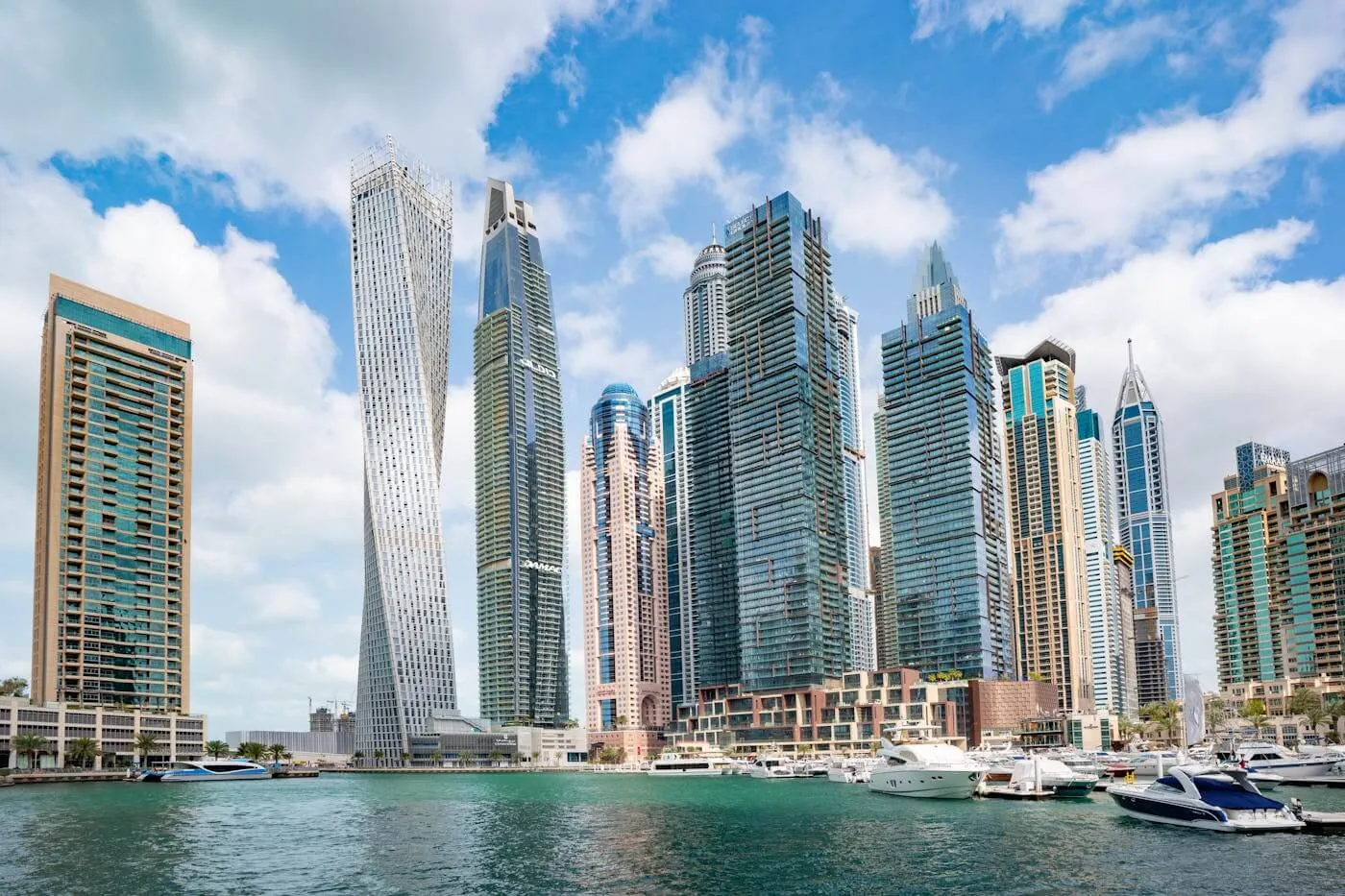
Understanding Import-Export Business Models in Dubai
Import Business Model
Importing involves bringing goods from international markets into Dubai for local distribution or consumption. Popular import categories include:
- Electronics and consumer goods from Asia
- Automotive parts and vehicles
- Food products and agricultural commodities
- Textiles and fashion items
- Industrial machinery and equipment
Export Business Model
Exporting focuses on sending UAE-produced or sourced goods to international markets. Key export sectors include:
- Petroleum and petrochemical products
- Aluminum and metal products
- Precious metals and jewelry
- Dates and agricultural products
- Manufactured goods
Re-Export Business Model
Re-exporting represents Dubai’s specialty – importing goods into free zones and then exporting them to third countries without entering the UAE’s domestic market. This model offers significant advantages:
- No import duties on goods in free zones
- No VAT on re-exported goods
- Simplified customs procedures
- Reduced documentation requirements
Step-by-Step Guide to Starting Your Import-Export Business
Step 1: Develop Your Business Plan
Creating a comprehensive business plan is crucial for success. Based on our experience, successful import-export businesses focus on:
- Market Research: Identify high-demand products and target markets
- Supplier Analysis: Establish relationships with reliable international suppliers
- Financial Projections: Calculate startup costs, working capital requirements, and profit margins
- Risk Assessment: Evaluate currency fluctuations, political risks, and supply chain disruptions
Step 2: Choose Your Business Location
You can establish your import-export business in two main locations:
Dubai Mainland
- Advantages: Direct access to UAE domestic market, ability to bid on government contracts
- Requirements: Local service agent may be required for certain activities
- Best for: Businesses targeting local UAE market alongside international trade
Free Zone Setup
- Advantages: 100% foreign ownership, tax benefits, simplified procedures
- Popular Options: JAFZA, DAFZA, Dubai South, DMCC
- Best for: Businesses focused primarily on international trade and re-export
For comprehensive guidance on location selection, explore our detailed comparison of mainland vs free zone options.
Step 3: Select the Right Free Zone
Different free zones offer specialized advantages for import-export businesses:
Jebel Ali Free Zone (JAFZA)
- Specialization: General trading, manufacturing, logistics
- Advantages: Direct port access, extensive warehouse facilities
- Best for: Large-scale import-export operations
Dubai Airport Free Zone (DAFZA)
- Specialization: High-value, time-sensitive goods
- Advantages: Airport proximity, quick turnaround times
- Best for: Electronics, pharmaceuticals, perishables
Dubai South
- Specialization: E-commerce, aviation, logistics
- Advantages: Al Maktoum Airport access, modern facilities
- Best for: E-commerce fulfillment, air cargo operations
For detailed information about free zone options, visit our comprehensive free zones guide.
Step 4: Obtain Your Import-Export License
The licensing process involves several key steps:
Required Documents
- Passport copies of shareholders and managers
- Business plan outlining trading activities
- Proof of office space (lease agreement)
- Bank statements demonstrating financial capability
- Educational certificates (if required)
License Types
- Commercial License: For general trading activities
- Import-Export License: Specific authorization for international trade
- Customs Registration: Required for customs clearance
Step 5: Register with Dubai Customs
Customs registration is mandatory for all import-export operations. The process includes:
- Online Registration: Through Dubai Trade Portal
- Documentation: Trade license, Emirates ID, office lease
- Customs Client Code: Unique identifier for all transactions
- Registration Fee: Approximately AED 100-500
Step 6: Open Corporate Bank Account
A UAE corporate bank account is essential for international transactions. Requirements typically include:
- Valid trade license
- Memorandum of Association
- Passport and Emirates ID copies
- Business plan and financial projections
- Minimum deposit (varies by bank)
For assistance with banking requirements, consider our business bank account services.

Import-Export Business License Costs in Dubai
Understanding the complete cost structure is crucial for financial planning:
Free Zone Setup Costs
| Component | Cost Range (AED) |
|---|---|
| License Fee | 12,000 – 18,000 |
| Office Space (Virtual) | 5,000 – 15,000 |
| Visa Processing | 3,000 – 5,000 per visa |
| Customs Registration | 100 – 500 |
| Bank Account Opening | 1,000 – 3,000 |
| Total Initial Investment | 21,100 – 41,500 |
Mainland Setup Costs
| Component | Cost Range (AED) |
|---|---|
| License Fee | 15,000 – 22,000 |
| Office Rent (Annual) | 25,000 – 80,000 |
| Local Service Agent | 10,000 – 25,000 |
| Visa Processing | 4,000 – 7,000 per visa |
| Total Initial Investment | 54,000 – 134,000 |
Note: Costs may vary based on specific requirements and chosen service providers.
For detailed cost analysis, refer to our guide on the real cost of starting a business in Dubai.
Most Profitable Import-Export Products in 2025
High-Demand Import Categories
- Electronics and Technology
- Smartphones and accessories
- Laptops and computer equipment
- Smart home devices
- Gaming equipment
- Automotive Sector
- Luxury vehicles
- Spare parts and accessories
- Electric vehicle components
- Motorcycles and ATVs
- Fashion and Textiles
- Designer clothing and accessories
- Traditional Middle Eastern garments
- Sportswear and activewear
- Luxury handbags and shoes
- Food and Beverages
- Organic and health foods
- Specialty coffee and tea
- Halal-certified products
- Gourmet and premium foods
Profitable Export Opportunities
- Precious Metals and Jewelry
- Gold and diamond jewelry
- Investment-grade precious metals
- Luxury watches
- Traditional Arabic jewelry
- Petrochemicals and Energy
- Refined petroleum products
- Petrochemical derivatives
- Renewable energy equipment
- Industrial chemicals
- Dates and Agricultural Products
- Premium Medjool dates
- Organic produce
- Processed food products
- Spices and seasonings
Compliance and Regulatory Requirements
Customs Regulations
Import-export businesses must comply with UAE customs regulations:
- Proper Documentation: Commercial invoices, packing lists, certificates of origin
- HS Code Classification: Correct classification for duty calculation
- Restricted Items: Awareness of prohibited and restricted goods
- Duty Payments: Timely payment of applicable customs duties
VAT Compliance
Businesses exceeding AED 375,000 in annual turnover must register for VAT:
- VAT Registration: Mandatory for eligible businesses
- Regular Filing: Monthly or quarterly VAT returns
- Record Keeping: Detailed transaction records
For comprehensive VAT support, explore our VAT services.
Corporate Tax Obligations
The UAE introduced corporate tax in 2023:
- Tax Rate: 9% on profits exceeding AED 375,000
- Free Zone Benefits: Many free zones maintain 0% tax rates
- Compliance Requirements: Annual tax returns and record keeping
Learn more about corporate tax planning to optimize your tax position.

Success Strategies for Import-Export Business
Build Strong Supplier Relationships
Based on our experience, successful import-export businesses prioritize:
- Supplier Verification: Thorough due diligence on international suppliers
- Quality Control: Implementing robust quality assurance processes
- Payment Terms: Negotiating favorable payment and credit terms
- Backup Suppliers: Maintaining alternative supplier relationships
Leverage Technology
Modern import-export businesses utilize technology for competitive advantage:
- Digital Platforms: Online marketplaces and B2B platforms
- Supply Chain Management: Advanced logistics and inventory systems
- Financial Technology: Digital payment solutions and trade finance
- Data Analytics: Market intelligence and demand forecasting
Focus on High-Growth Markets
Identify and target emerging markets with strong growth potential:
- African Markets: Rapidly growing consumer markets
- South Asian Markets: Large population bases with increasing purchasing power
- GCC Markets: Regional integration and economic diversification
- European Markets: Premium product opportunities
Common Challenges and Solutions
Challenge 1: Supply Chain Disruptions
Solution: Diversify supplier base across multiple countries and maintain strategic inventory levels.
Challenge 2: Currency Fluctuations
Solution: Implement hedging strategies and negotiate contracts in stable currencies.
Challenge 3: Regulatory Changes
Solution: Stay informed about regulatory updates and maintain compliance through professional advisory services.
Challenge 4: Competition
Solution: Focus on niche markets, build strong brand relationships, and offer superior customer service.
Frequently Asked Questions
What is the minimum capital required to start an import-export business in Dubai?
There’s no specific minimum capital requirement, but you should demonstrate sufficient financial resources to operate effectively. Most successful businesses start with AED 100,000-500,000 in working capital.
Can I operate an import-export business remotely?
While you can manage many operations remotely, UAE regulations require a registered office address and periodic physical presence for compliance purposes.
How long does it take to set up an import-export business in Dubai?
Free zone setups typically take 1-2 weeks, while mainland setups may require 3-4 weeks, depending on document completeness and approval processes.
Do I need prior experience in import-export business?
While experience is beneficial, it’s not mandatory. Many successful entrepreneurs start without prior experience but invest in learning and professional guidance.
What are the most common mistakes to avoid?
Common mistakes include inadequate market research, poor supplier selection, insufficient working capital, and non-compliance with regulations.
Can I change my business activities after obtaining the license?
Yes, you can modify your business activities by applying for license amendments, though this may involve additional fees and approvals.
Conclusion
Starting an import-export business in Dubai presents exceptional opportunities for entrepreneurs willing to navigate the setup process strategically. The emirate’s world-class infrastructure, strategic location, and business-friendly policies create an ideal environment for international trade ventures.
Success in Dubai’s import-export sector requires careful planning, proper licensing, strong supplier relationships, and ongoing compliance with regulatory requirements. By following the comprehensive steps outlined in this guide and leveraging Dubai’s unique advantages, entrepreneurs can build profitable and sustainable import-export businesses.
The key to success lies in understanding your target markets, selecting the right products, and maintaining operational excellence throughout your supply chain. With Dubai’s continued investment in logistics infrastructure and trade facilitation, the future outlook for import-export businesses remains exceptionally positive.
Ready to Launch Your Import-Export Business in Dubai?
Transform your trading vision into reality with Dubai’s world-class business ecosystem. Our expert team has successfully guided over 1,000 entrepreneurs through the complete import-export business setup process.
Why Choose Our Professional Services:
- 15+ Years Experience in UAE business setup and international trade
- Comprehensive Support from initial planning to operational launch
- Regulatory Expertise ensuring full compliance with UAE trade laws
- Network Access to reliable suppliers, logistics partners, and financial institutions
- Ongoing Advisory for business growth and expansion strategies
Get Started Today:
- Free Consultation to assess your business concept and requirements
- Fast-Track Setup minimizing time to market entry
- End-to-End Support covering licensing, banking, and operational setup
- Post-Launch Services for continued growth and compliance
Contact Our UAE Business Setup Experts:
Phone/WhatsApp: +971 52 564 6001
Email: office@inlex-partners.com
Don’t let complex regulations delay your trading success. Contact us today for expert guidance and take the first step toward building your profitable import-export business in Dubai’s dynamic marketplace.
About the Author