
How to Start a Money Exchange Business in Dubai, UAE: Complete Guide

Quick Answer
To start a money exchange and remittance business in Dubai you need a licence from the Central Bank of the UAE (CBUAE), the primary regulator, plus high paid-up capital, robust AML and KYC systems, and trade-licence coordination with the DED. It suits well-capitalised operators serving the UAE’s huge remittance and currency-exchange demand. The key criterion is meeting CBUAE licensing, capital and AML and CFT requirements, since this is a heavily regulated financial activity. Main risks and exceptions include substantial capital and CBUAE approval, strict AML and CFT and reporting obligations, banking access, and compliance cost. Practically, prepare for CBUAE licensing and capital, build strong AML systems and technology, and plan branch operations. Because financial-services regulation is strict and evolving, requirements depend on your model, so confirm current rules with the CBUAE or a qualified advisor before launching.
Dubai’s strategic role as a financial gateway between East and West has created one of the most dynamic markets for foreign currency exchange and remittances. The UAE processes hundreds of billions in annual remittances, which positions the emirate as a prime location to launch a regulated money exchange and money transfer business with scalable demand across retail and corporate segments.
Drawing on extensive experience supporting financial service providers across the UAE, this end-to-end playbook explains how to start a money exchange business in Dubai, covering licensing with the Central Bank of the UAE (CBUAE), coordination with the Dubai Economic Department (DED), capital and ownership requirements, AML/KYC frameworks, technology stack, branch operations, and measurable KPIs for sustainable growth.
Understanding the Money Exchange Industry in Dubai
Market Overview and Opportunities
Dubai’s money exchange business in Dubai serves several high-value segments that collectively underpin stable transaction volumes and diversified revenue streams:
- Expatriate remittances — the largest driver of volume, supported by a broad corridor mix to Asia, Africa, and Europe.
- Tourist currency exchange — seasonally elevated, with strong uptake in premium retail and hospitality clusters.
- Corporate foreign exchange — hedging, payroll, supplier payments, and import/export settlements.
- Investment-related currency conversion — portfolio flows and cross-border asset allocations.
- Trade finance support — treasury and settlement facilitation for cross-border commerce.
Digitization accelerates growth across online remittances, mobile wallets, and API-based payouts, while compliance expectations remain stringent. This combination rewards operators who pair robust AML controls with a modern customer experience.
Types of Money Exchange Licenses
To start money exchange business Dubai UAE, applicants typically pursue one of the following license categories from CBUAE:
Full Money Exchange License
- Comprehensive foreign exchange operations across cash, transfers, and corporate FX.
- Outbound and inbound remittances to a wide set of corridors.
- Ability to structure premium services for investment currency needs.
- Best for operators targeting multi-branch footprints and high daily throughput.
Restricted Money Exchange License
- Narrower scope: limited corridors, service sets, or transactional caps.
- Lower capital threshold and leaner initial operations.
- Useful for pilots, niche corridors, or phased market entry before later scale-up.
Regulatory Framework and Licensing Authority
Central Bank of the UAE (CBUAE): Scope and Oversight
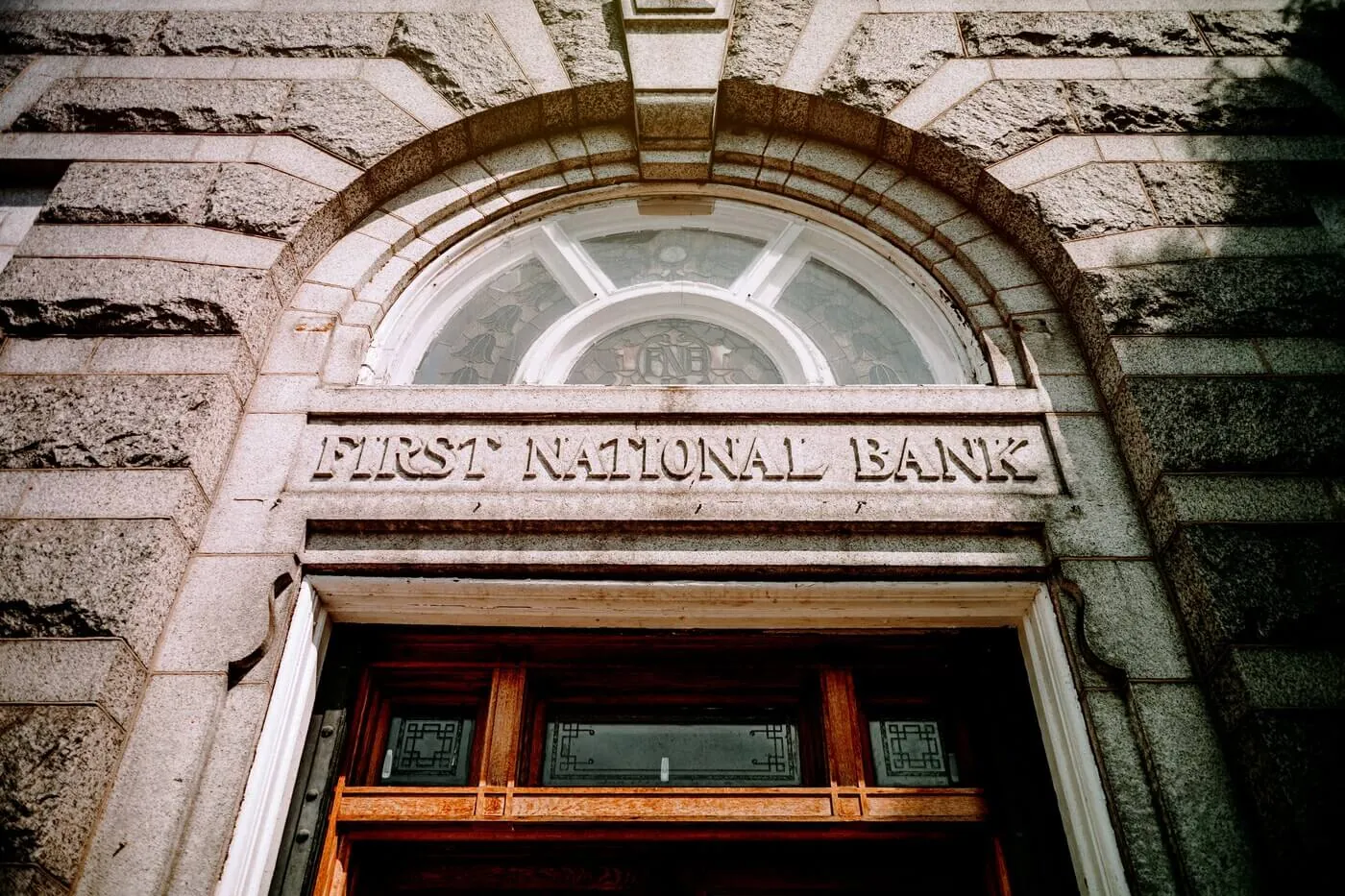
CBUAE is the licensing authority for money transfer business in Dubai and enforces controls that protect the integrity of the financial system. Core areas include:
- Anti-Money Laundering (AML) and Counter-Terrorist Financing (CFT) policies aligned with federal law and supervisory guidance.
- Know Your Customer (KYC) standards for onboarding, verification, and risk scoring.
- Capital adequacy and liquidity — sufficient buffers proportional to risk and activity.
- Transaction monitoring and reporting — timely STRs, LTRs, and record retention.
- Governance and internal controls — segregation of duties, audit, and remediation.
Dubai Economic Department (DED): Trade Licensing
DED issues the commercial trade license and monitors local commercial compliance. Successful projects coordinate DED and CBUAE steps in parallel to avoid sequencing delays and to align activity scope with the approved category.
Essential Requirements for Money Exchange License
Capital Requirements
For licensing for money exchange in Dubai, capital must be placed with a UAE bank prior to application. Typical thresholds are:
| License Type | Minimum Capital (AED) | Security Deposit (AED) |
|---|---|---|
| Full Exchange License | 3,000,000 | 500,000 |
| Restricted License | 1,000,000 | 200,000 |
| Branch License | 500,000 | 100,000 |
Capital must be evidenced by bank letters/certificates and maintained consistently to satisfy ongoing prudential expectations.
Shareholding and Ownership Structure
Setting up money exchange business in Dubai UAE requires an ownership model compliant with mainland or free-zone rules:
- Mainland: at least 60% UAE national ownership; foreign investors may hold up to 40%.
- Free zones: alternative ownership models exist with distinct regulatory and tax frameworks.
- Fit-and-proper: all significant shareholders and controllers must pass integrity and financial soundness assessments.
Key Personnel Requirements
CBUAE expects qualified leadership and independent compliance lines. Typical mandatory roles include:
- General Manager — operational leadership and regulatory liaison.
- Compliance Officer — policy design, monitoring, and reporting.
- Anti-Money Laundering Officer — STR governance, EDD, sanctions oversight.
- Chief Financial Officer — prudential reporting, treasury, and capital maintenance.
- Operations Manager — SOPs, cash management, branch controls.
Personnel should hold relevant degrees and professional certifications (e.g., ACCA, CPA, CFA) with provable financial services experience, clean conduct records, and successful fit-and-proper outcomes.
Step-by-Step Application Process

Phase 1: Pre-Application Preparation
1) Business Structure Setup
- Choose mainland or free zone establishment based on corridor strategy, branch plan, and target client mix.
- Draft constitutional documents (MoA/AoA), shareholder agreements, and governance charters.
- Establish internal policies: AML/CFT framework, compliance manual, risk appetite, and internal audit mandate.
2) Capital Arrangement
- Open a corporate bank account; place paid-up capital in line with license category.
- Obtain bank confirmations and letters evidencing capital and security deposits.
- Define treasury policy for liquidity, cash handling, and correspondent relationships.
3) Premises and Infrastructure
- Secure commercial premises with compliant strong room/vault, CCTV coverage, and secure counters.
- Implement IT infrastructure with high availability, encryption, and audit trails.
- Document floor plans, access controls, and physical security SOPs.
Phase 2: CBUAE License Application
1) Initial Application Submission
Typical documentation includes:
- CBUAE forms, corporate constitutional documents, UBO declarations.
- Capital deposit certificates and lease documents for approved premises.
- CVs and certificates of key personnel; fit-and-proper supporting evidence.
- Business plan with corridor mapping, revenue model, and financial projections.
- Compliance policies and procedures, sanctions program, and reporting flows.
2) Due Diligence Process
- Integrity and background checks on shareholders and senior management.
- Financial capacity and source-of-funds verification.
- Premises and security inspection; IT and data protection assessment.
- Review of AML monitoring logic, thresholds, and alert closure procedures.
3) Conditional Approval
- CBUAE may issue conditions covering staffing, systems, premises, or policy enhancements.
- Operators must implement actions and submit evidence within the stipulated timeframe.
Phase 3: Final Approvals and Launch
1) Condition Fulfillment
- Onboard and train staff; run live drills on AML, KYC, cash handling, and business continuity.
- Complete systems hardening and go-live checklists; document SOPs and RCSAs.
2) Final Inspection and License Issuance
- CBUAE conducts readiness checks, including systems testing and staff interviews.
- Upon satisfactory results, the operational authorization is granted.
Operational Compliance Requirements
Anti-Money Laundering (AML) Framework
A money transfer business in Dubai must demonstrate programmatic controls across the entire customer and transaction lifecycle:
- Customer Due Diligence (CDD) and risk scoring at onboarding; trigger EDD for high-risk profiles.
- Sanctions screening against local and international lists; ongoing re-screening cadence.
- Transaction monitoring with scenario rules, thresholds, and typology-based alerts.
- Suspicious transaction reporting with documented investigations and timely filings.
- Record keeping with secure storage and retrieval for regulatory inspection.
- Training for front office, back office, and management with regular refreshers.
Technology Requirements
- AML monitoring software with case management and audit trails.
- Screening tools for sanctions, PEPs, and adverse media.
- Customer databases with secure KYC document handling and consent management.
- Regulatory reporting platforms with controlled access and maker-checker.

Know Your Customer (KYC) Procedures
Individual Customers
- Valid Emirates ID or passport; residence visa where applicable.
- Employment or income verification such as salary certificate.
- Recent bank statements and proof of address as needed.
Corporate Customers
- Valid trade license, establishment card, and constitutional documents.
- Board resolutions for signatories; UBO declarations.
- Audited financials and transactional rationale for FX/remittances.
Reporting and Documentation
- Monthly operational reports in prescribed formats.
- Quarterly financial statements aligned with prudential templates.
- Annual compliance audits and thematic reviews.
- Suspicious transaction reports within regulatory timelines.
- Large transaction reports for cash or remittances above AED 40,000.
Technology and Infrastructure Requirements
Core Technology Systems
To start money transfer business Dubai with operational resilience, deploy:
- Core transaction engine for multi-currency processing and real-time rate management.
- Compliance management for AML monitoring, KYC records, and reporting automation.
- Security stack — encryption, SIEM, privileged access controls, and DLP.
- Disaster recovery with RTO/RPO targets and regular failover tests.
Operational Infrastructure
- Premises of adequate size with secure cash zones, teller counters, and private rooms.
- 24/7 CCTV, biometric access, and incident response protocols.
- Cash-in-transit vendor arrangements and dual-control vault procedures.
Financial Projections and Business Viability
Revenue Streams
- FX spread — typically 0.5–2% depending on corridor and ticket size.
- Remittance fees — flat or tiered (e.g., AED 15–50 per transaction).
- Corporate FX — negotiated pricing; potential for subscription retainers.
- Premium services — priority handling, treasury advisory, and special currencies.
Cost Structure Analysis
| Cost Category | Monthly Range (AED) | Annual Range (AED) |
|---|---|---|
| Staff Salaries | 80,000 – 150,000 | 960,000 – 1,800,000 |
| Premises Rent | 30,000 – 80,000 | 360,000 – 960,000 |
| Technology Costs | 15,000 – 30,000 | 180,000 – 360,000 |
| Compliance Costs | 10,000 – 20,000 | 120,000 – 240,000 |
| Marketing | 20,000 – 50,000 | 240,000 – 600,000 |
| Total Operating | 155,000 – 330,000 | 1,860,000 – 3,960,000 |
Profitability Timeline
Well-planned operators often achieve:
- Break-even: approximately 12–18 months with disciplined cost control.
- Positive cash flow: around 18–24 months with corridor expansion.
- ROI: sustainable returns as branches and digital channels scale.
Common Challenges and Solutions
Challenge 1: Complex Regulatory Compliance
Solution: Build a compliance-first culture from day one, with clear policy ownership, automated monitoring, and independent QA testing.
Challenge 2: High Capital Requirements
Solution: Phase expansion, prioritize high-yield corridors, and consider partnerships in DIFC-style frameworks where appropriate.
Challenge 3: Intense Market Competition
Solution: Differentiate with transparent pricing, fast SLAs, multilingual service, and a frictionless app experience.
Challenge 4: Banking Relationships
Solution: Maintain multi-bank coverage and impeccable compliance records to support business bank account opening and correspondent access.
Tax Implications and Financial Planning
UAE Tax Considerations
Corporate Tax
- Applicable on profits above AED 375,000; optimize through robust accounting and corporate tax planning.
VAT Implications
- Most core exchange/remittance services are VAT-exempt; verify ancillary services and thresholds for VAT registration.
Other Considerations
- Withholding exposures on certain cross-border flows.
- Transfer pricing compliance for related-party transactions.
Best Practices for Success
1) Regulatory Excellence
- Embed three lines of defense: operations, compliance, and independent audit.
- Run periodic scenario testing and thematic AML reviews.
- Track remediation with owners, deadlines, and evidence logs.
2) Technology Leadership
- API-ready systems for payout partners and mobile apps.
- Advanced analytics to spot corridor anomalies and price leakage.
- Cybersecurity hardening with incident playbooks and tabletop exercises.
3) Customer Service Focus
- Multilingual agents and omni-channel support (branch, phone, app, chat).
- Transparent rate display and instant receipts.
- Loyalty and referral programs targeted by corridor.
4) Strategic Partnerships
- Correspondent banking and international money transfer operators.
- Corporate treasuries seeking predictable settlement and hedging.
- Fintech collaborations for digital KYC and instant payouts.
Future Trends and Opportunities
Digital Transformation
- Blockchain rails for faster cross-border settlement and traceability.
- Mobile apps with biometric login and instant corridor quotes.
- AI-powered compliance for anomaly detection and workload triage.
- Digital KYC with secure document capture and liveness checks.
Market Expansion
- Crypto-related services subject to regulatory permissions and ring-fenced controls.
- Sharia-compliant offerings aligned to Islamic finance principles.
- Corporate treasury and accelerated B2B payout solutions.
- Advisory add-ons for complex FX needs.
Regulatory Evolution
- Increasing emphasis on digital compliance capabilities and consistent reporting quality.
- Enhancements to sanctions governance and name-screening precision.
- Open-banking style integrations and sandbox collaboration.
Frequently Asked Questions
What is the minimum capital required for a money exchange license?
From AED 1 million for restricted licenses to AED 3 million for full exchange licenses, plus the relevant security deposit.
Can foreigners own a money exchange business in Dubai?
Foreign ownership on the mainland is capped; free-zone structures may offer alternative options subject to regulatory scope and business model.
How long does the licensing process take?
Timelines vary with application quality, due diligence, and premises readiness; build buffers for reviews and condition compliance.
What are the ongoing compliance requirements?
Regular regulatory reporting, robust AML/KYC execution, periodic audits, system testing, and maintenance of minimum capital.
Are there restrictions on the types of currencies I can exchange?
CBUAE defines the permitted scope; certain currencies may require limits, approvals, or additional controls.
What technology systems are mandatory?
Core transaction processing, AML monitoring, screening tools, secure KYC storage, and reporting platforms with maker-checker.
How much should I plan to invest initially?
Total initial spend often ranges from AED 5–15 million including capital, premises, technology, staffing, and working capital, depending on footprint.
What are the key success factors?
Compliance excellence, corridor strategy, transparent pricing, customer experience, resilient technology, and diversified partnerships.
Conclusion
Starting a money exchange business in Dubai demands rigorous preparation, adequate capitalization, and uncompromising governance. By aligning licensing, compliance, technology, and operations from day one, operators can tap sustained demand across remittances and corporate FX while safeguarding the integrity of the financial system.
Ready to Launch Your Money Exchange Business in Dubai?
At Inlex Partners, we help financial service providers navigate CBUAE licensing end-to-end — from structure design and documentation to go-live and ongoing compliance.
Why Choose Inlex Partners for Your Money Exchange License:
- Deep expertise in UAE financial services licensing and regulator expectations.
- Proven track record across exchange and remittance projects.
- End-to-end support covering structure, capital, policies, tech, and launch.
- Ongoing compliance assistance with audits, testing, and reporting.
- Strong relationships with relevant authorities and ecosystem partners.
- Clear guidance on capital requirements and shareholding structures.
Transform your vision into a licensed money exchange business. Our experts manage regulatory complexity so you can focus on growth.
Phone/WhatsApp: +971 52 956 8390
Email: office@inlex-partners.com
Disclaimer: This guide is for informational purposes only and does not constitute legal or financial advice. Requirements may change; consult qualified professionals and verify current rules with the Central Bank of the UAE and other authorities. Licensing depends on meeting all regulatory conditions and is not guaranteed.
About the Author