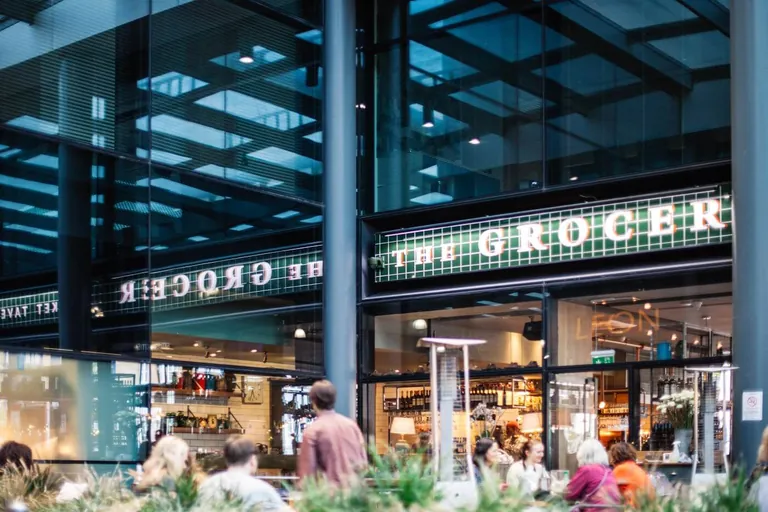

Opening a grocery store in Sharjah presents an exceptional business opportunity in one of the UAE’s most dynamic and cost-effective emirates. Based on our experience working with hundreds of retail entrepreneurs, Sharjah offers the perfect balance of strategic location, growing population, and business-friendly regulations that make it an ideal destination for grocery retail ventures.
As the third-largest emirate by population, Sharjah provides access to a diverse customer base while maintaining significantly lower operational costs compared to Dubai and Abu Dhabi. In practice, we’ve found that entrepreneurs can achieve 20–30% cost savings on setup expenses while accessing the same regional market opportunities.
Why Choose Sharjah for Your Grocery Store Business
Strategic Market Advantages
Sharjah’s unique position as a cultural and commercial hub offers several compelling advantages for grocery store operators:
Growing Population Base: With over 1.8 million residents representing diverse nationalities and income levels, Sharjah provides a stable and expanding customer base for grocery retailers.
Cost-Effective Operations: Our analysis shows that rental costs in Sharjah are typically 30–40% lower than comparable locations in Dubai, while maintaining excellent accessibility and foot traffic.
Strategic Location: Proximity to major ports and trading routes enables easy sourcing of international products, particularly specialty items from Asia and Africa that are increasingly popular among Sharjah’s multicultural population.

Economic Benefits
Based on our experience with retail setups across the UAE, Sharjah offers:
- Lower licensing fees compared to other emirates
- Reduced office space requirements for certain business structures
- Streamlined approval processes through SEDD
- Access to government support programs for SMEs
Understanding Sharjah’s Grocery Store Licensing Framework
Types of Business Licenses Available
The Sharjah Economic Development Department (SEDD) issues three main types of licenses relevant to grocery store operations:
Commercial License
This is the primary license type for grocery stores, allowing:
- Import and export of food products
- Wholesale and retail trading
- Storage and distribution activities
- General trading in multiple product categories
Professional License
Suitable for specialized food service operations requiring specific expertise or certifications.
Industrial License
Required for businesses involved in food processing or manufacturing activities.
Expert Recommendation: For standard grocery store operations, a commercial license provides the most flexibility and growth potential.
Legal Business Structures in Sharjah
Limited Liability Company (LLC)
- Ownership: 100% foreign ownership now permitted in most commercial activities
- Shareholders: 2–50 shareholders allowed
- Liability: Limited to share capital
- Best for: Medium to large grocery operations with multiple investors
Sole Proprietorship
- Ownership: Single owner structure
- Requirements: May require Local Service Agent (LSA) for foreign nationals
- Best for: Small to medium independent grocery stores
Based on our experience, LLCs offer the best balance of flexibility and protection for grocery store ventures, particularly for entrepreneurs planning future expansion. Explore the Sharjah market profile here: Sharjah region overview.
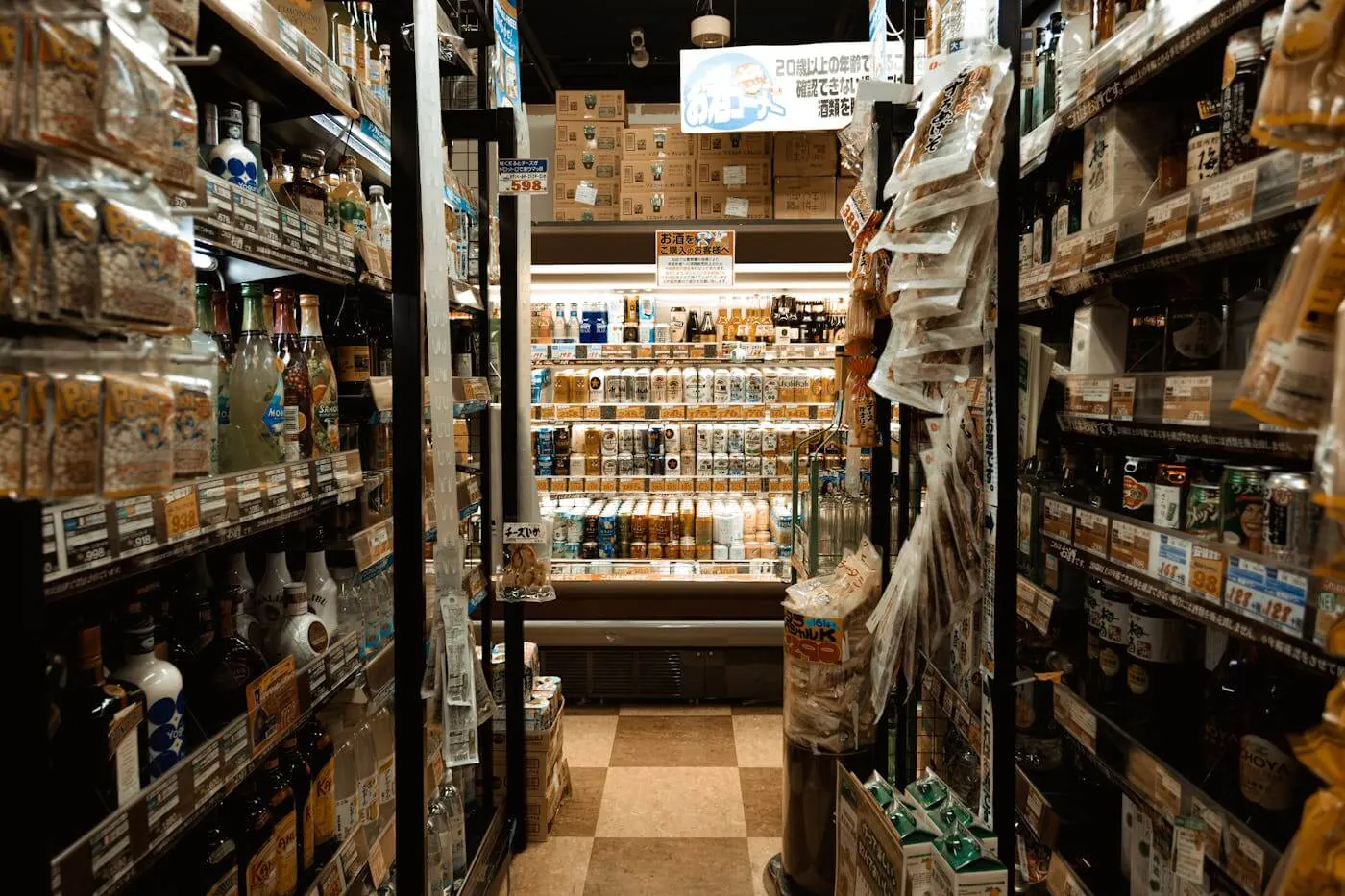
Step-by-Step Grocery Store Setup Process
Phase 1: Initial Planning and Approvals
1. Business Activity Selection
Define your grocery store’s scope clearly:
- General grocery and food items
- Specialty products (organic, international foods)
- Fresh produce and perishables
- Household essentials
2. Trade Name Registration
Choose and reserve a unique business name that:
- Complies with UAE naming conventions
- Reflects your business activities
- Is available in SEDD’s database
3. Initial Approval from SEDD
Submit your business plan and proposed activities to SEDD for preliminary approval.
Phase 2: Documentation and Legal Requirements
Essential Documents Required
- Passport copies of all shareholders/partners
- UAE residence visa copies (if applicable)
- No Objection Certificate from current sponsor (for expatriates)
- Business plan detailing operations and financial projections
- Bank reference letters from home country or UAE banks
- Educational certificates (if required for specific activities)
Location and Lease Requirements
- Minimum space: 30 square meters as per SEDD regulations
- Lease agreement for approved commercial space
- Municipality approvals for food retail operations
- Civil Defense clearance for safety compliance
Phase 3: License Issuance and Final Approvals
SEDD Processing
- Document submission and fee payment
- Review period (typically 3–5 working days)
- License issuance upon approval
- Trade license collection from SEDD offices
Comprehensive Cost Breakdown for 2025
Initial Setup Costs
| Component | Cost Range (AED) | Notes |
|---|---|---|
| SEDD License Fee | 5,000 – 15,000 | Varies by business activities |
| Trade Name Registration | 1,000 – 2,000 | One-time fee |
| Initial Approval | 500 – 1,000 | SEDD processing |
| Memorandum of Association | 2,000 – 3,000 | Legal documentation |
| Total Licensing | 8,500 – 21,000 | Core licensing costs |
Operational Setup Costs
| Component | Cost Range (AED) | Notes |
|---|---|---|
| Office/Store Rent | 15,000 – 50,000/year | Depends on location and size |
| Security Deposit | 5,000 – 15,000 | Typically 1–3 months rent |
| Municipality Permits | 2,000 – 5,000 | Food retail approvals |
| Civil Defense Clearance | 1,000 – 2,000 | Safety compliance |
| Total Operational | 23,000 – 72,000 | First year estimates |
Additional Costs to Consider
- Visa processing: AED 3,000–5,000 per visa
- Bank account opening: AED 3,000–10,000 (including minimum balance)
- Insurance: AED 2,000–5,000 annually
- Professional services: AED 5,000–15,000 for setup assistance
Total Estimated Investment: AED 40,000–120,000 for complete setup
Disclaimer: Costs may vary based on specific business requirements, location, and current government fee structures. Always verify current rates with official authorities.
New SEDD Regulations for Grocery Stores (2025)
Updated Compliance Requirements
Recent regulations from SEDD have introduced specific standards for grocery retail operations:
Store Layout and Design Standards
- Minimum floor area: 30 square meters
- Flooring: Ceramic tiles mandatory
- Walls: Smooth, white-painted surfaces
- Shelving: Separate metal shelving for different product categories
- Refrigeration: Dedicated refrigerated displays for fresh produce
Safety and Security Requirements
- CCTV systems: Adequate coverage of all areas
- Insect control: Professional pest control measures
- Fire safety: Civil Defense approved systems
- Emergency exits: Clearly marked and accessible
Staff and Operational Standards
- Staff uniforms: Mandatory with name tags
- Health cards: Required for all food-handling staff
- Training certificates: Food safety training completion
- Signage: Consistent and approved storefront design
Market Analysis and Business Opportunities
Target Customer Segments in Sharjah
Based on our market research and client experience:
Primary Demographics
- Expatriate families (45% of customer base)
- Higher disposable income
- Preference for international brands
- Regular shopping patterns
- Local Emirati families (25% of customer base)
- Traditional and premium product preferences
- Bulk purchasing behavior
- Brand loyalty
- Working professionals (20% of customer base)
- Convenience-focused shopping
- Ready-to-eat and quick meal solutions
- Evening and weekend shopping
- Students and young adults (10% of customer base)
- Budget-conscious purchasing
- Snacks and convenience items
- Small quantity purchases
Competitive Landscape Analysis
Major Competitors
- Large chains: Carrefour, Lulu, Spinneys
- Local supermarkets: Independent operators
- Convenience stores: 24/7 operations
- Specialty stores: Organic and international food retailers
Differentiation Opportunities
- Specialty product focus: Organic, health foods, international cuisines
- Personalized service: Customer relationship building
- Flexible hours: Extended operating times
- Delivery services: Home delivery and online ordering
- Community engagement: Local events and promotions
Banking and Financial Considerations
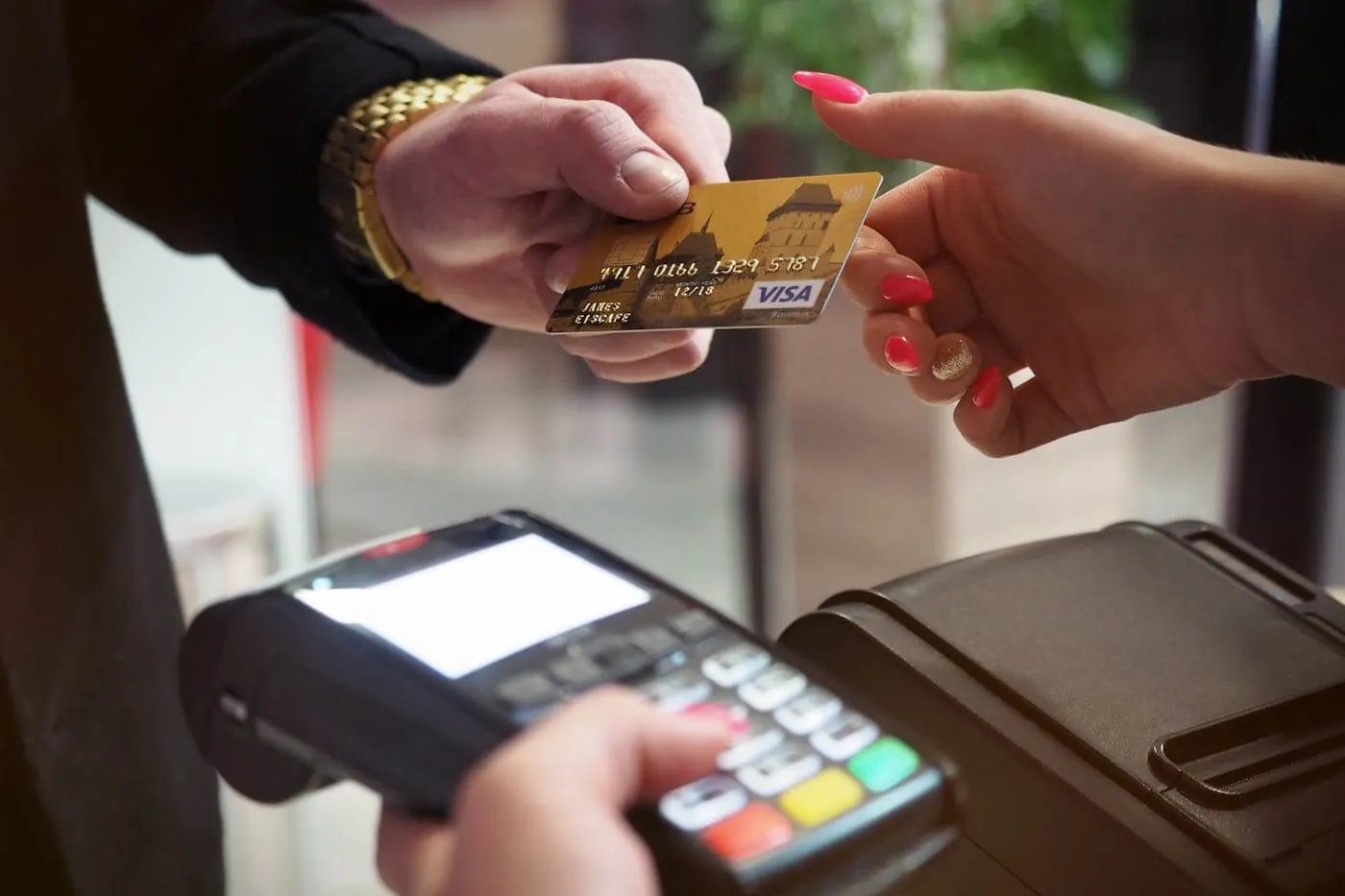
Bank Account Opening Process
Opening a corporate bank account is essential for grocery store operations. Based on our experience with UAE banks:
Required Documentation
- Trade license and business registration
- Memorandum of Association (attested)
- Passport and visa copies of authorized signatories
- Salary certificates or income proof
- Business plan and financial projections
- Initial deposit (varies by bank: AED 25,000–100,000)
Recommended Banks for Retail Businesses
- Emirates NBD: Strong SME support and digital banking
- ADCB: Competitive business banking packages
- FAB: Comprehensive business solutions
- Mashreq Bank: Flexible account options
Processing Time: 2–4 weeks with proper documentation. If you need assistance, explore bank account opening support.
VAT and Tax Compliance
VAT Registration Requirements
Grocery stores must register for VAT if:
- Annual turnover exceeds AED 375,000
- Voluntary registration for businesses below threshold
For detailed compliance, see our VAT registration in the UAE and broader VAT services.
Corporate Tax Implications
Under the UAE’s corporate tax regime:
- Tax rate: 9% on profits exceeding AED 375,000
- Small business relief: Available for qualifying businesses
- Record keeping: Mandatory financial record maintenance
Plan proactively with corporate tax services and corporate tax filing & compliance.
Location Selection Strategy
Prime Areas for Grocery Stores in Sharjah
High-Traffic Commercial Areas
- Al Majaz: Upscale residential and commercial district
- Al Nahda: Border area with high expatriate population
- Al Qasimia: Traditional area with local customer base
- Muwaileh: Growing residential community
- Al Taawun: Central location with mixed demographics
Factors to Consider
- Foot traffic patterns: Peak hours and customer flow
- Parking availability: Essential for grocery shopping
- Competition density: Balance between market presence and oversaturation
- Rental costs: Impact on profitability margins
- Future development: Area growth potential
Lease Negotiation Tips
Based on our experience with retail leases:
- Negotiate break clauses for flexibility
- Include fit-out periods in lease terms
- Clarify maintenance responsibilities
- Secure renewal options at predetermined rates
- Consider graduated rent increases tied to business performance
Operational Excellence and Best Practices
Inventory Management Systems
Essential Categories for Grocery Stores
- Fresh produce: Fruits, vegetables, dairy
- Packaged goods: Canned foods, snacks, beverages
- Household items: Cleaning supplies, personal care
- International products: Specialty items for diverse communities
- Frozen foods: Ice cream, frozen meals, seafood
Technology Solutions
- POS systems: Integrated point-of-sale with inventory tracking
- Supplier management: Automated ordering and delivery scheduling
- Customer loyalty programs: Digital rewards and promotions
- Online ordering platforms: E-commerce integration
Supplier Relationships
Key Supplier Categories
- Local distributors: Fresh produce and dairy
- International importers: Specialty and ethnic foods
- Direct manufacturers: Bulk purchasing opportunities
- Wholesale markets: Cost-effective sourcing
Negotiation Strategies
- Volume discounts: Leverage purchasing power
- Payment terms: Extended credit periods
- Exclusive arrangements: Unique product offerings
- Return policies: Minimize inventory risk
Marketing and Customer Acquisition
Digital Marketing Strategies
Online Presence
- Google My Business: Local search optimization
- Social media marketing: Instagram, Facebook engagement
- Delivery apps: Talabat, Careem Now partnerships
- Website development: Online ordering capabilities
Traditional Marketing
- Local advertising: Community newspapers and radio
- In-store promotions: Seasonal sales and discounts
- Customer referral programs: Word-of-mouth marketing
- Community events: Sponsorship and participation
Customer Retention Strategies
- Loyalty programs: Points-based rewards system
- Personalized service: Customer preference tracking
- Quality assurance: Consistent product standards
- Convenient services: Home delivery and extended hours
Frequently Asked Questions
Q1: How long does it take to open a grocery store in Sharjah?
A: The complete process typically takes 4–6 weeks from initial application to store opening, assuming all documentation is prepared correctly and approvals are obtained promptly.
Q2: Can foreign nationals own 100% of a grocery store in Sharjah?
A: Yes, under current UAE laws, foreign nationals can own 100% of commercial businesses, including grocery stores, in Sharjah mainland.
Q3: What is the minimum space requirement for a grocery store?
A: SEDD requires a minimum of 30 square meters for grocery store operations, though larger spaces are recommended for better product variety and customer experience.
Q4: Do I need special permits for selling fresh produce?
A: Yes, selling fresh produce requires additional approvals from Sharjah Municipality, including food handling permits and health department clearances.
Q5: What are the ongoing compliance requirements?
A: Annual license renewal, VAT filing (if applicable), municipality permit renewals, staff health card updates, and maintaining operational standards as per SEDD regulations.
Q6: Can I operate multiple grocery stores under one license?
A: You can open branches under the same license, but each location requires separate municipality approvals and must comply with individual location requirements.
Q7: What insurance is required for grocery stores?
A: While not mandatory, comprehensive commercial insurance covering public liability, product liability, and property damage is highly recommended.
Q8: How do I handle employee visas for my grocery store?
A: Employee visas can be processed through your business license, with costs typically ranging from AED 4,000–7,000 per visa including medical tests and Emirates ID.
Q9: Are there restrictions on operating hours?
A: Operating hours are generally flexible, but may be subject to municipality regulations and lease agreement terms. Many grocery stores operate 12–16 hours daily.
Q10: What support is available for new grocery store owners?
A: SEDD offers business development programs, and specialist consultants provide end-to-end support for licensing, compliance, and operational optimization.
Expert Business Setup Support
Transform Your Grocery Store Vision into Reality with Professional Expertise
At Inlex Partners, we understand that launching a successful grocery store in Sharjah requires more than just obtaining a license—it demands strategic planning, regulatory expertise, and operational excellence. Our team has guided hundreds of entrepreneurs through the complete setup process—from licensing and leasing to VAT, banking, and launch operations.
Our Comprehensive Grocery Store Setup Services Include
- Complete licensing and regulatory compliance
- Strategic location analysis and lease negotiation support
- Banking relationships and account opening assistance
- VAT registration and ongoing tax compliance
- Operational setup guidance and best practices
- Ongoing business support and consultation
Related Services
Explore our advisory and compliance solutions: Services overview, VAT advisory, VAT filing & compliance, and corporate tax planning advisory.
Get Started
Phone/WhatsApp: +971 52 564 6001
Email: office@inlex-partners.com | Contact form
This guide provides general information about opening a grocery store in Sharjah based on current regulations and market conditions. Requirements and costs may vary by case. Always verify current regulations with official authorities before making business decisions.