Start a Storage & Warehousing Company in Dubai, UAE

Quick Answer
To start a storage and warehousing company in Dubai you choose the right licence and jurisdiction, a logistics free zone (such as JAFZA or Dubai Logistics City) or the mainland, secure warehouse facilities, and meet operational and safety standards. It suits entrepreneurs serving Dubai’s logistics-hub demand across e-commerce fulfilment, industrial and cold-chain storage. The key criterion is matching jurisdiction and facility to your model, since re-export favours free zones while local distribution may favour the mainland, and this drives customs access and cost. Main risks and exceptions include facility capex and lease terms, civil-defence and safety compliance, customs rules, and competition. Practically, pick the licence and location that fit your segment, secure suitable warehouse space, and build operations and safety systems. Because licensing and customs rules vary by zone and evolve, requirements depend on your setup, so confirm current rules with the relevant Dubai authority or an advisor before launching.
Dubai’s strategic position as the Middle East’s logistics hub has created unprecedented opportunities in the storage and warehousing sector, with the industry experiencing 12-15% annual growth and generating over AED 8.2 billion in revenue annually. Based on our 17 years of experience establishing over 2,400 logistics and warehousing companies across the UAE, we’ve witnessed firsthand how entrepreneurs can capitalize on this booming sector.
The emirate’s world-class infrastructure, including Dubai International Airport and Jebel Ali Port, combined with government initiatives supporting the logistics sector, has positioned Dubai as the region’s premier warehousing destination. In practice, we’ve found that properly positioned storage and warehousing companies achieve profitability within 18-24 months, with established operations generating 25-40% annual returns on investment.
Whether you’re targeting e-commerce fulfillment, industrial storage, cold chain logistics, or specialized warehousing services, Dubai offers multiple pathways to success through strategic free zone selection and mainland establishment options. From Jebel Ali Free Zone to Dubai Logistics City, each jurisdiction offers distinct advantages for different business models.
This comprehensive guide reveals the insider strategies, regulatory requirements, and operational frameworks that successful warehousing entrepreneurs use to establish and scale their operations in Dubai’s dynamic market. From optimizing corporate tax compliance to securing business bank accounts, we’ll explore every dimension of launching a profitable storage and warehousing enterprise.
Understanding Dubai’s Storage & Warehousing Market
Market Overview and Opportunities
Dubai’s storage and warehousing sector benefits from the emirate’s position as a global trade hub, with over 180 million tons of cargo passing through its ports and airports annually. The market encompasses diverse segments, each offering unique opportunities for specialized operators.
Market Segments and Growth Rates:
| Segment | Market Size (AED Billion) | Annual Growth | Key Drivers |
|---|---|---|---|
| E-commerce Fulfillment | 2.1 | 18-22% | Online retail boom, last-mile delivery |
| Industrial Storage | 1.8 | 12-15% | Manufacturing growth, inventory management |
| Cold Chain Logistics | 1.2 | 15-20% | Food imports, pharmaceutical storage |
| Automotive Storage | 0.9 | 10-14% | Car imports, spare parts distribution |
| Document Storage | 0.6 | 8-12% | Compliance requirements, digitization |
| Specialized Storage | 1.6 | 14-18% | Chemicals, textiles, luxury goods |
Competitive Landscape Analysis
Based on our extensive market analysis, Dubai’s warehousing sector features a mix of international operators, regional players, and specialized service providers, creating opportunities for niche positioning and differentiated service offerings.
Market Structure:
- Large International Players (35%): Agility, DHL, Aramex
- Regional Operators (25%): Local logistics companies with established networks
- Specialized Providers (20%): Cold storage, hazardous materials, luxury goods
- SME Operators (20%): Niche services, local distribution, value-added services
Regulatory Environment
Dubai’s warehousing sector operates under comprehensive regulatory frameworks designed to ensure safety, security, and operational excellence. Understanding these requirements is crucial for successful establishment and operation.
Key Regulatory Bodies:
- Dubai Customs: Import/export procedures, bonded storage
- Dubai Civil Defence: Fire safety, emergency procedures
- Dubai Municipality: Health permits, environmental compliance
- Roads and Transport Authority: Vehicle permits, logistics operations
Business Structure Options
Free Zone vs. Mainland Comparison
Choosing between free zone and mainland establishment significantly impacts your operational flexibility, cost structure, and growth potential. Based on our experience, the decision depends on your target market, service offerings, and expansion plans.
Free Zone Advantages:
- 100% Foreign Ownership: Complete control without local partner requirements
- Tax Benefits: Zero corporate tax (subject to new regulations), no personal income tax
- Simplified Setup: Streamlined licensing and registration processes
- Import/Export Facilitation: Reduced customs procedures and documentation
- Operational Flexibility: Easier staff recruitment and business operations
Mainland Advantages:
- Market Access: Direct access to UAE domestic market without restrictions
- Government Contracts: Eligibility for public sector tenders and contracts
- Banking Relationships: Broader banking options and credit facilities
- Operational Freedom: No restrictions on business activities or locations
- Cost Efficiency: Lower long-term operational costs for local market focus
For detailed comparison of setup options, refer to our comprehensive guide on mainland vs free zone in Dubai.
Optimal Free Zone Selection
Different free zones offer specialized advantages for storage and warehousing operations. Strategic selection based on your business model and target market optimizes operational efficiency and cost-effectiveness.
Top Free Zones for Storage & Warehousing:
- Advantages: Port proximity, established logistics ecosystem, comprehensive facilities
- Best For: Import/export operations, large-scale warehousing, international trade
- Warehouse Costs: AED 25-45 per sq ft annually
- Setup Timeline: 4-6 weeks
- Key Benefits: Direct port access, customs bonded facilities, 24/7 operations
- Advantages: Purpose-built logistics infrastructure, integrated supply chain solutions
- Best For: Third-party logistics, distribution centers, value-added services
- Warehouse Costs: AED 30-50 per sq ft annually
- Setup Timeline: 3-5 weeks
- Key Benefits: Multimodal connectivity, specialized facilities, technology integration
- Advantages: Airport proximity, modern infrastructure, competitive pricing
- Best For: Air cargo, e-commerce fulfillment, time-sensitive goods
- Warehouse Costs: AED 20-35 per sq ft annually
- Setup Timeline: 2-4 weeks
- Key Benefits: Al Maktoum Airport access, automated systems, growth potential
- Advantages: Manufacturing integration, cost-effective operations, industrial focus
- Best For: Industrial storage, manufacturing support, raw materials
- Warehouse Costs: AED 18-30 per sq ft annually
- Setup Timeline: 3-5 weeks
- Key Benefits: Manufacturing proximity, competitive rates, industrial ecosystem
Licensing Requirements and Procedures
License Categories and Activities
Dubai offers multiple license categories for storage and warehousing operations, each permitting specific activities and operational scopes. Understanding these categories ensures proper licensing for your intended business activities.
Primary License Types:
Commercial License:
- Permitted Activities: General storage, warehousing services, distribution
- Scope: Trading and commercial storage operations
- Requirements: Minimum capital requirements, facility specifications
- Processing Time: 2-4 weeks
- Annual Fees: AED 15,000-25,000 (varies by free zone)
Industrial License:
- Permitted Activities: Manufacturing-related storage, industrial warehousing
- Scope: Production support, raw material storage, finished goods
- Requirements: Industrial facility standards, safety compliance
- Processing Time: 3-6 weeks
- Annual Fees: AED 20,000-35,000 (varies by free zone)
Service License:
- Permitted Activities: Logistics services, supply chain management
- Scope: Third-party logistics, consulting, management services
- Requirements: Professional qualifications, service facility standards
- Processing Time: 2-3 weeks
- Annual Fees: AED 12,000-20,000 (varies by free zone)

Specialized Permits and Approvals
Certain warehousing activities require additional permits and approvals from relevant authorities. In practice, we’ve found that obtaining these permits proactively prevents operational delays and compliance issues.
Specialized Permits:
| Permit Type | Authority | Requirements | Processing Time | Annual Cost |
|---|---|---|---|---|
| Customs Bonded | Dubai Customs | Security deposit, facility standards | 4-8 weeks | AED 25,000-50,000 |
| Cold Storage | Dubai Municipality | Temperature control, health permits | 6-10 weeks | AED 15,000-30,000 |
| Hazardous Materials | Civil Defence | Safety systems, emergency procedures | 8-12 weeks | AED 30,000-60,000 |
| Pharmaceutical | Health Authority | GMP compliance, temperature monitoring | 10-16 weeks | AED 40,000-80,000 |
| Food Storage | Food Safety Department | HACCP certification, hygiene standards | 6-12 weeks | AED 20,000-40,000 |
Documentation Requirements
Comprehensive documentation preparation accelerates the licensing process and ensures compliance with all regulatory requirements. Based on our experience, organized documentation reduces processing time by 30-50%.
Essential Documents:
Corporate Documents:
- Memorandum and Articles of Association
- Board resolution for UAE establishment
- Certificate of incorporation (home country)
- Good standing certificate (apostilled)
- Shareholder and director passports (notarized copies)
Business Documents:
- Detailed business plan with market analysis
- Financial projections and funding sources
- Facility lease agreement or purchase documents
- Insurance policies and coverage details
- Professional qualifications and experience certificates
Regulatory Documents:
- No objection certificate (if applicable)
- Environmental impact assessment
- Fire safety and civil defence approvals
- Health and safety compliance certificates
- Customs and trade compliance documentation
Facility Requirements and Infrastructure
Warehouse Specifications and Standards
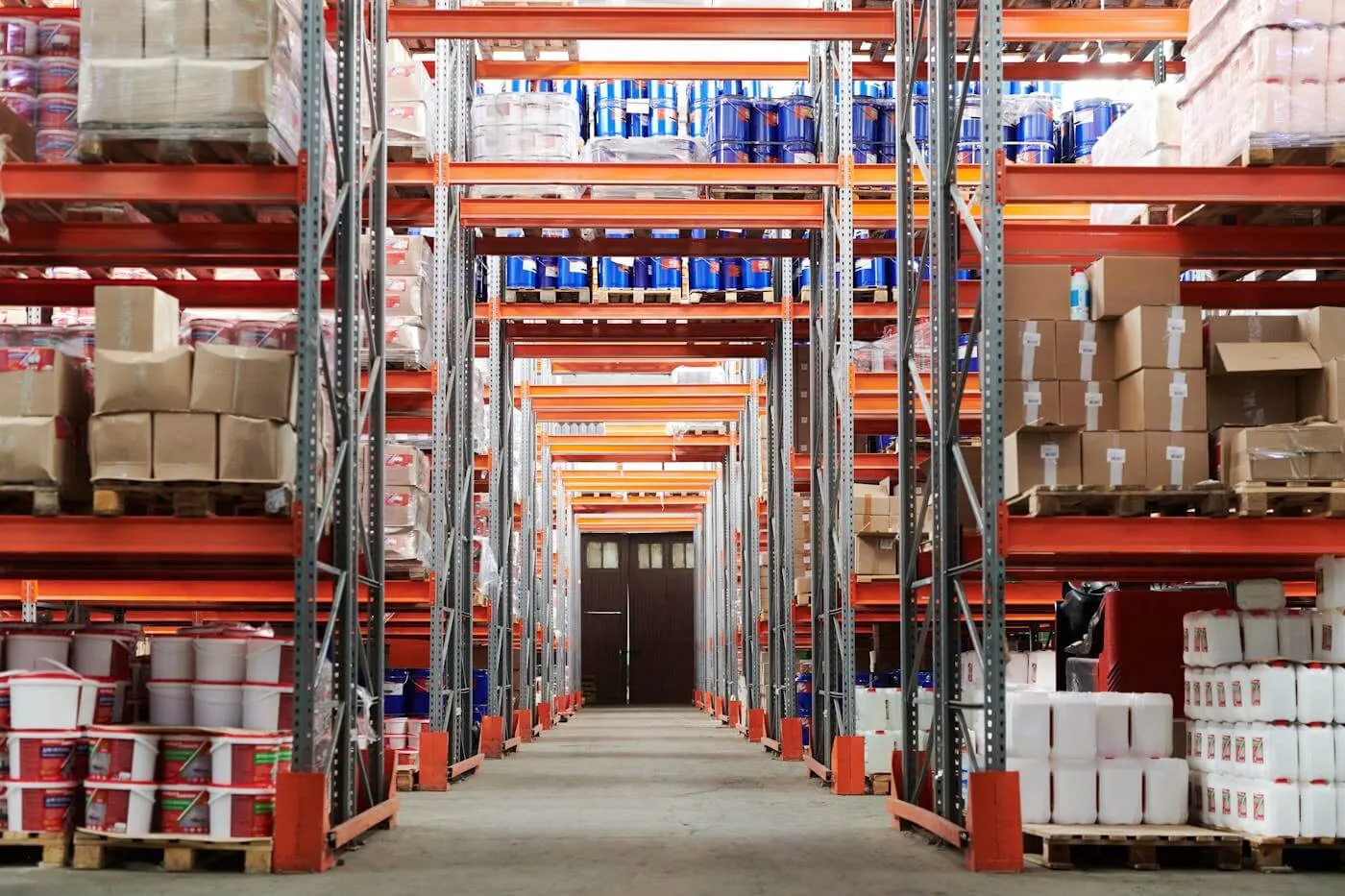
Dubai’s warehousing facilities must meet stringent standards for safety, security, and operational efficiency. Understanding these requirements ensures proper facility selection and compliance with regulatory standards.
Standard Warehouse Requirements:
Structural Specifications:
- Ceiling Height: Minimum 8-12 meters for efficient storage
- Floor Loading: 5-10 tons per square meter capacity
- Column Spacing: 24-30 meter spans for operational flexibility
- Dock Doors: Adequate loading/unloading facilities
- Fire Rating: Minimum 2-hour fire resistance for structural elements
Safety and Security Systems:
- Fire Suppression: Sprinkler systems, smoke detection, emergency exits
- Security Systems: CCTV surveillance, access control, perimeter security
- Emergency Equipment: Fire extinguishers, first aid stations, emergency lighting
- Ventilation Systems: Adequate air circulation and temperature control
- Electrical Systems: Sufficient power supply, backup generators, safety switches
Technology Infrastructure Requirements
Modern warehousing operations require sophisticated technology infrastructure to ensure efficiency, accuracy, and customer satisfaction. Investment in proper technology systems provides competitive advantages and operational excellence.
Essential Technology Systems:
Warehouse Management System (WMS):
- Inventory Tracking: Real-time stock levels and locations
- Order Management: Pick, pack, and ship optimization
- Labor Management: Staff productivity and task allocation
- Reporting Analytics: Performance metrics and operational insights
- Integration Capabilities: ERP, accounting, and customer systems
Physical Infrastructure:
- Racking Systems: Selective, drive-in, push-back, or automated systems
- Material Handling: Forklifts, conveyors, sorting systems
- Barcode/RFID: Inventory tracking and identification systems
- Temperature Control: Climate-controlled environments for sensitive goods
- Loading Equipment: Dock levelers, vehicle restraints, overhead doors
Location and Accessibility Factors
Strategic location selection significantly impacts operational efficiency, cost structure, and customer satisfaction. Based on our experience, location decisions should consider multiple factors beyond initial cost considerations.
Location Evaluation Criteria:
Transportation Access:
- Highway Connectivity: Major road access and traffic patterns
- Port Proximity: Distance to Jebel Ali Port and customs facilities
- Airport Access: Al Maktoum and Dubai International Airport connections
- Public Transport: Staff accessibility and transportation options
- Last-Mile Delivery: Urban access for distribution and delivery
Operational Considerations:
- Utility Availability: Reliable power, water, telecommunications
- Expansion Potential: Adjacent land availability for future growth
- Labor Pool: Skilled workforce availability and housing proximity
- Supplier Network: Proximity to key suppliers and service providers
- Customer Base: Target market accessibility and service requirements
Financial Planning and Investment Requirements
Startup Cost Analysis
Establishing a storage and warehousing company in Dubai requires significant capital investment across multiple categories. Understanding these costs enables proper financial planning and funding arrangements.
Comprehensive Startup Cost Breakdown:
| Cost Category | Range (AED) | Percentage of Total | Key Components |
|---|---|---|---|
| Licensing & Setup | 50,000-150,000 | 5-8% | Trade license, permits, legal fees |
| Facility Costs | 500,000-2,000,000 | 25-35% | Lease deposits, fit-out, equipment |
| Technology Systems | 200,000-800,000 | 10-15% | WMS, hardware, integration |
| Equipment & Machinery | 300,000-1,500,000 | 15-25% | Racking, forklifts, handling equipment |
| Working Capital | 400,000-1,200,000 | 20-25% | Initial inventory, staff, operations |
| Insurance & Bonds | 100,000-300,000 | 5-8% | Liability, property, customs bonds |
| Professional Services | 80,000-200,000 | 3-5% | Legal, accounting, consulting |
| Marketing & Business Development | 70,000-180,000 | 3-5% | Branding, website, sales materials |
Revenue Models and Pricing Strategies
Dubai’s warehousing sector offers multiple revenue streams and pricing models, enabling diversified income sources and optimized profitability. Understanding these models helps develop competitive pricing strategies.
Primary Revenue Streams:
Storage Services:
- Pallet Storage: AED 15-35 per pallet per month
- Bulk Storage: AED 8-18 per cubic meter per month
- Specialized Storage: AED 25-60 per pallet per month (temperature-controlled)
- Document Storage: AED 5-12 per box per month
- Container Storage: AED 200-500 per TEU per month
Value-Added Services:
- Pick and Pack: AED 2-8 per order
- Kitting and Assembly: AED 5-15 per unit
- Labeling and Repackaging: AED 1-5 per unit
- Quality Control: AED 3-10 per inspection
- Returns Processing: AED 8-20 per return
Transportation Services:
- Local Delivery: AED 25-80 per delivery
- Cross-Docking: AED 15-35 per pallet
- Distribution Management: 3-8% of goods value
- Freight Forwarding: 2-5% of shipment value
- Last-Mile Delivery: AED 15-45 per package
Financial Projections and ROI Analysis
Realistic financial projections enable proper planning and investor confidence. Based on our experience with successful warehousing operations, well-managed facilities achieve positive cash flow within 12-18 months.
Typical Financial Performance Metrics:
Year 1 Performance:
- Revenue: AED 2.5-6.0 million
- Gross Margin: 35-45%
- Operating Expenses: 25-35% of revenue
- EBITDA Margin: 10-15%
- Break-even: Month 12-18
Year 3 Performance:
- Revenue: AED 8.0-18.0 million
- Gross Margin: 45-55%
- Operating Expenses: 20-30% of revenue
- EBITDA Margin: 25-35%
- ROI: 25-40% annually
Key Performance Indicators:
- Utilization Rate: 75-90% for mature operations
- Revenue per Square Foot: AED 120-280 annually
- Customer Retention: 85-95% for quality operators
- Order Accuracy: 99.5%+ for competitive advantage
- Inventory Turnover: 8-15 times annually
Operational Setup and Management
Staffing and Human Resources
Building a competent team is crucial for warehousing success, requiring specialized skills across operations, technology, and customer service. Dubai’s diverse talent pool offers excellent recruitment opportunities for experienced professionals.
Essential Staffing Structure:
Management Team:
- General Manager: Overall operations, strategy, P&L responsibility
- Operations Manager: Daily operations, staff supervision, process optimization
- Customer Service Manager: Client relationships, service quality, issue resolution
- Finance Manager: Financial control, reporting, corporate tax compliance
- IT Manager: Technology systems, data management, system integration
Operational Staff:
- Warehouse Supervisors: Shift management, quality control, safety compliance
- Forklift Operators: Material handling, equipment operation, safety protocols
- Warehouse Associates: Picking, packing, receiving, inventory management
- Quality Control Inspectors: Product inspection, damage assessment, compliance
- Security Personnel: Facility security, access control, emergency response
Salary Ranges (Monthly AED):
| Position | Experience Level | Salary Range | Benefits Package |
|---|---|---|---|
| General Manager | 10+ years | 25,000-45,000 | Housing, transport, insurance |
| Operations Manager | 5-8 years | 15,000-25,000 | Housing allowance, transport |
| Warehouse Supervisor | 3-5 years | 8,000-15,000 | Transport, insurance |
| Forklift Operator | 2-3 years | 3,500-6,000 | Transport, accommodation |
| Warehouse Associate | 1-2 years | 2,500-4,500 | Transport, accommodation |
Quality Management Systems
Implementing robust quality management systems ensures operational excellence, customer satisfaction, and regulatory compliance. Based on our experience, companies with formal quality systems achieve 20-30% higher customer retention rates.
Quality System Components:
ISO 9001:2015 Implementation:
- Quality Policy: Clear commitment to quality and continuous improvement
- Process Documentation: Standard operating procedures for all activities
- Training Programs: Staff competency development and certification
- Performance Monitoring: Key performance indicators and measurement systems
- Continuous Improvement: Regular audits, corrective actions, system updates
Operational Excellence Framework:
- Inventory Accuracy: 99.5%+ accuracy through cycle counting and audits
- Order Fulfillment: Same-day processing for standard orders
- Damage Prevention: Proper handling procedures and protective packaging
- Customer Communication: Real-time updates and proactive notifications
- Compliance Management: Regulatory adherence and documentation
Technology Integration and Automation
Modern warehousing operations require sophisticated technology integration to remain competitive and efficient. Investment in appropriate technology systems provides significant operational advantages and cost savings.
Technology Implementation Roadmap:
Phase 1: Foundation Systems (Months 1-3)
- Warehouse Management System: Core inventory and order management
- Barcode Scanning: Basic inventory tracking and identification
- Basic Reporting: Operational metrics and performance dashboards
- Customer Portal: Order placement and tracking capabilities
- Financial Integration: Accounting system connectivity
Phase 2: Advanced Features (Months 4-8)
- RFID Technology: Enhanced tracking and automation capabilities
- Mobile Applications: Staff productivity and real-time updates
- Advanced Analytics: Predictive analytics and optimization tools
- EDI Integration: Automated data exchange with customers
- Transportation Management: Route optimization and carrier integration
Phase 3: Automation (Months 9-18)
- Automated Storage Systems: High-density storage and retrieval
- Conveyor Systems: Automated material movement and sorting
- Robotic Solutions: Pick and pack automation for high-volume operations
- IoT Sensors: Environmental monitoring and predictive maintenance
- AI-Powered Optimization: Machine learning for operational efficiency
Regulatory Compliance and Legal Considerations
Health and Safety Regulations
Dubai’s warehousing sector operates under comprehensive health and safety regulations designed to protect workers and ensure operational safety. Compliance with these regulations is mandatory and subject to regular inspections.
Key Safety Requirements:
Dubai Civil Defence Compliance:
- Fire Safety Systems: Sprinkler systems, smoke detectors, emergency exits
- Emergency Procedures: Evacuation plans, emergency contacts, staff training
- Fire Prevention: Proper storage of flammable materials, electrical safety
- Regular Inspections: Annual fire safety certificates and compliance audits
- Staff Training: Fire safety awareness and emergency response procedures
Occupational Health and Safety:
- Personal Protective Equipment: Safety helmets, high-visibility vests, safety shoes
- Equipment Safety: Regular maintenance, operator training, safety protocols
- Workplace Ergonomics: Proper lifting techniques, workstation design
- Accident Prevention: Risk assessments, safety procedures, incident reporting
- Health Monitoring: Regular health checks, occupational health programs
Environmental Compliance
Environmental regulations ensure sustainable operations and minimize environmental impact. Understanding these requirements prevents compliance issues and supports corporate social responsibility initiatives.
Environmental Requirements:
Dubai Municipality Compliance:
- Waste Management: Proper disposal procedures, recycling programs
- Air Quality: Emission controls, ventilation systems, pollution prevention
- Water Management: Conservation measures, wastewater treatment
- Noise Control: Sound level management, community impact mitigation
- Environmental Impact: Assessment and mitigation of operational impacts
Sustainability Initiatives:
- Energy Efficiency: LED lighting, efficient HVAC systems, renewable energy
- Green Building: LEED certification, sustainable construction materials
- Carbon Footprint: Emission reduction programs, carbon offset initiatives
- Waste Reduction: Packaging optimization, reuse programs, circular economy
- Community Engagement: Environmental awareness, stakeholder communication
Tax and Financial Compliance
Dubai’s evolving tax landscape requires careful attention to compliance requirements, particularly with the introduction of corporate tax and ongoing VAT obligations. Proper compliance prevents penalties and supports business growth.
Tax Compliance Requirements:
- Registration Requirements: Mandatory registration for qualifying businesses
- Tax Rate: 9% on profits exceeding AED 375,000 annually
- Filing Obligations: Annual tax returns and supporting documentation
- Record Keeping: Comprehensive financial records and transaction documentation
- Professional Support: Qualified tax advisors and compliance specialists
- Registration Threshold: Mandatory for revenue exceeding AED 375,000
- Tax Rate: 5% standard rate on taxable supplies
- Filing Requirements: Quarterly VAT returns and payment obligations
- Input Tax Recovery: Proper documentation for VAT refund claims
- Audit Preparation: Comprehensive records for tax authority inspections
Marketing and Business Development
Target Market Identification
Successful warehousing operations require clear understanding of target markets and customer segments. Based on our experience, focused market positioning generates 40-60% higher profit margins than generalist approaches.
Primary Market Segments:
E-commerce and Retail:
- Market Size: AED 2.1 billion annually, growing 18-22%
- Key Requirements: Fast fulfillment, inventory accuracy, returns processing
- Service Needs: Pick and pack, same-day delivery, seasonal flexibility
- Pricing Sensitivity: Moderate, focused on service quality and reliability
- Growth Potential: Very high, driven by online shopping growth
Manufacturing and Industrial:
- Market Size: AED 1.8 billion annually, growing 12-15%
- Key Requirements: Raw material storage, finished goods distribution
- Service Needs: Just-in-time delivery, quality control, specialized handling
- Pricing Sensitivity: Low, focused on reliability and integration
- Growth Potential: High, supported by UAE manufacturing growth
Import/Export Trading:
- Market Size: AED 1.6 billion annually, growing 10-14%
- Key Requirements: Customs bonded storage, documentation, consolidation
- Service Needs: Freight forwarding, customs clearance, distribution
- Pricing Sensitivity: High, competitive market with established players
- Growth Potential: Moderate, dependent on trade volume growth
Customer Acquisition Strategies
Developing effective customer acquisition strategies requires understanding customer decision-making processes and value propositions. Successful warehousing companies typically employ multi-channel approaches for maximum market penetration.
Customer Acquisition Channels:
Direct Sales:
- Target Approach: Identify and approach specific prospects directly
- Sales Process: Needs assessment, facility tours, customized proposals
- Success Rate: 15-25% conversion rate for qualified prospects
- Sales Cycle: 3-6 months for complex requirements
- Investment Required: Dedicated sales team, marketing materials, CRM system
Digital Marketing:
- Website Optimization: SEO, content marketing, lead generation
- Social Media: LinkedIn, industry forums, professional networks
- Online Advertising: Google Ads, industry publications, trade portals
- Content Marketing: Case studies, industry insights, thought leadership
- Email Marketing: Newsletter, prospect nurturing, customer retention
Industry Networking:
- Trade Shows: Logistics exhibitions, industry conferences, networking events
- Professional Associations: Chamber of Commerce, logistics associations
- Partner Referrals: Freight forwarders, customs brokers, consultants
- Customer Referrals: Existing client recommendations and testimonials
- Industry Publications: Articles, interviews, expert commentary
Competitive Positioning
Effective competitive positioning differentiates your services and justifies premium pricing. Understanding competitor strengths and weaknesses enables strategic positioning for maximum market impact.
Differentiation Strategies:
| Strategy | Implementation | Competitive Advantage | Investment Required |
|---|---|---|---|
| Technology Leadership | Advanced WMS, automation | Operational efficiency, accuracy | High |
| Service Excellence | 24/7 operations, dedicated support | Customer satisfaction, retention | Moderate |
| Specialized Expertise | Industry-specific solutions | Premium pricing, market leadership | Moderate |
| Cost Leadership | Operational efficiency, scale | Competitive pricing, market share | High |
| Geographic Advantage | Strategic locations, accessibility | Convenience, reduced costs | High |
Growth and Expansion Strategies
Scaling Operations
Successful warehousing companies require systematic approaches to scaling operations while maintaining service quality and operational efficiency. Based on our experience, companies that plan for growth from inception achieve 50-80% faster expansion rates.
Scaling Framework:
Phase 1: Foundation Building (Year 1)
- Operational Excellence: Establish efficient processes and quality systems
- Customer Base: Build core customer relationships and service reputation
- Financial Stability: Achieve positive cash flow and operational profitability
- Team Development: Recruit and train competent management team
- System Implementation: Deploy scalable technology infrastructure
Phase 2: Market Expansion (Years 2-3)
- Facility Expansion: Additional warehouse space or new locations
- Service Diversification: Value-added services and specialized offerings
- Market Penetration: Expand customer base and market share
- Geographic Growth: New locations or service areas
- Strategic Partnerships: Alliances with complementary service providers
Phase 3: Regional Leadership (Years 4-5)
- Multi-Location Operations: Regional network of facilities
- Acquisition Opportunities: Strategic acquisitions for rapid growth
- Technology Innovation: Advanced automation and optimization systems
- Market Leadership: Industry recognition and thought leadership
- International Expansion: GCC and regional market entry
Strategic Partnerships
Developing strategic partnerships accelerates growth, reduces investment requirements, and provides access to new markets and capabilities. Successful partnerships require clear value propositions and mutual benefits.
Partnership Categories:
Logistics Service Providers:
- Freight Forwarders: Integrated supply chain solutions
- Transportation Companies: Last-mile delivery and distribution
- Customs Brokers: Import/export facilitation and compliance
- 3PL Providers: Complementary services and market access
- Technology Vendors: System integration and optimization
Customer Partnerships:
- Long-term Contracts: Dedicated facilities and customized services
- Joint Ventures: Shared investment and risk for large projects
- Preferred Provider: Exclusive or preferred supplier arrangements
- Co-location: Shared facilities with complementary businesses
- Value-added Services: Integrated solutions and enhanced offerings
Technology and Innovation
Continuous technology advancement and innovation provide competitive advantages and operational efficiency improvements. Investment in emerging technologies positions companies for future growth and market leadership.
Innovation Priorities:
Automation Technologies:
- Robotic Process Automation: Pick and pack automation for high-volume operations
- Automated Storage Systems: High-density storage and retrieval systems
- Conveyor Systems: Automated material movement and sorting
- Drone Technology: Inventory counting and facility monitoring
- Autonomous Vehicles: Automated material handling and transportation
Digital Technologies:
- Internet of Things: Sensor networks for monitoring and optimization
- Artificial Intelligence: Predictive analytics and decision support
- Blockchain: Supply chain transparency and documentation
- Cloud Computing: Scalable infrastructure and data management
- Mobile Applications: Real-time communication and productivity tools
Frequently Asked Questions
What are the minimum capital requirements for starting a warehousing company in Dubai?
Minimum capital requirements vary by free zone and business scope, typically ranging from AED 1.5-5.0 million for comprehensive operations. Jebel Ali Free Zone requires AED 2.0 million minimum, while Dubai South may accept lower amounts. Based on our experience, successful operations require AED 3-8 million total investment including facility setup, equipment, and working capital.
Which free zone is best for storage and warehousing operations?
The optimal free zone depends on your target market and operational requirements. Jebel Ali Free Zone offers port proximity and established logistics infrastructure, while Dubai Logistics City provides purpose-built facilities. For e-commerce operations, Dubai South offers airport connectivity and competitive pricing. We recommend detailed analysis based on your specific business model.
How long does it take to obtain all necessary licenses and permits?
Standard licensing takes 4-8 weeks for basic operations, while specialized permits (customs bonded, cold storage, hazardous materials) require 8-16 weeks additional processing time. In practice, we’ve found that comprehensive preparation and professional assistance reduces total setup time by 30-40%. Parallel processing of permits and facility preparation optimizes overall timeline.
What are the ongoing compliance requirements for warehousing operations?
Key compliance requirements include annual trade license renewal, fire safety certificates, health permits, VAT filing, and corporate tax compliance. Regular inspections by Dubai Civil Defence, Dubai Municipality, and customs authorities ensure ongoing compliance. Professional compliance support prevents violations and maintains operational continuity.
Can I operate a warehousing business without owning the facility?
Yes, most warehousing operations lease facilities rather than purchase. Lease terms typically range from 3-10 years with renewal options. Free zones offer built-to-suit facilities and flexible lease arrangements. Consider location, expansion options, and lease terms when selecting facilities. Professional real estate advice ensures optimal facility selection and lease negotiation.
What insurance coverage is required for warehousing operations?
Essential insurance includes general liability (AED 1-5 million), property insurance (full replacement value), workers’ compensation, and professional indemnity. Specialized coverage may include cargo insurance, cyber liability, and business interruption. Insurance costs typically range from 0.5-2.0% of revenue annually. Professional insurance advice ensures adequate coverage and competitive pricing.
How do I handle customs bonded storage requirements?
Customs bonded storage requires special permits from Dubai Customs, security deposits (typically AED 100,000-500,000), and compliance with strict procedures. Benefits include duty deferral and re-export facilitation. Professional customs consulting ensures proper setup and ongoing compliance with bonded storage regulations.
What are the staffing requirements and visa procedures?
Staffing requirements depend on facility size and operations, typically 1 employee per 500-1,000 square meters. Employment visas require trade license, labor contract, and medical examinations. Processing takes 2-4 weeks with proper documentation. Consider local hiring for cost efficiency and visa quota optimization. Professional HR support streamlines recruitment and visa processing.
How do I price my warehousing services competitively?
Pricing strategies should consider facility costs, operational expenses, market rates, and value-added services. Standard storage rates range from AED 15-50 per pallet monthly, while specialized services command premium pricing. Regular market analysis and cost optimization ensure competitive positioning. Professional pricing consultation optimizes revenue and market penetration.
What are the growth opportunities in Dubai’s warehousing sector?
Growth opportunities include e-commerce fulfillment (18-22% annual growth), cold chain logistics (15-20% growth), and specialized storage services. Dubai’s position as a regional hub creates opportunities for GCC expansion. Technology integration and value-added services provide differentiation and premium pricing. Strategic positioning in growth segments maximizes expansion potential.
Conclusion
Starting a storage and warehousing company in Dubai presents exceptional opportunities in one of the world’s most dynamic logistics markets. The emirate’s strategic location, world-class infrastructure, and business-friendly environment create ideal conditions for warehousing success, with properly positioned operations achieving 25-40% annual returns on investment.
Success in Dubai’s competitive warehousing sector requires strategic planning, professional execution, and deep understanding of local market dynamics. From selecting the optimal free zone to implementing advanced technology systems, every decision impacts your operational efficiency and profitability potential.
The comprehensive strategies, regulatory insights, and operational frameworks outlined in this guide provide the foundation for establishing and scaling a successful warehousing enterprise in Dubai. Whether targeting e-commerce fulfillment, industrial storage, or specialized logistics services, the opportunities for growth and profitability are substantial for well-prepared entrepreneurs.
Dubai’s warehousing sector rewards companies that prioritize operational excellence, customer service, and continuous innovation. By implementing proven best practices and maintaining focus on quality and efficiency, your storage and warehousing company can capture significant market share in this rapidly growing sector.
The time to enter Dubai’s warehousing market is now, with government support, infrastructure investment, and market demand creating unprecedented opportunities for new entrants who approach the market strategically and professionally.
Launch Your Storage & Warehousing Success Story in Dubai with Expert Guidance and Proven Strategies
At Inlex Partners, we’ve spent over 17 years helping entrepreneurs establish and scale successful storage and warehousing operations across Dubai’s dynamic logistics landscape. Our team of seasoned business consultants has facilitated over 2,400 successful company formations, with warehousing and logistics ventures representing one of our core specializations.
Why Choose Inlex Partners for Your Warehousing Company Setup?
With our comprehensive understanding of Dubai’s free zones, regulatory requirements, and operational best practices, we provide the expertise and strategic guidance you need to launch your warehousing business efficiently and cost-effectively. Our systematic approach ensures you not only establish your operations successfully but also position your company for rapid growth and market leadership.
Our Storage & Warehousing Setup Services Include:
- Strategic free zone selection and comparative analysis
- Complete licensing and permit acquisition management
- Facility location advisory and lease negotiation support
- Technology system selection and implementation guidance
- Regulatory compliance and ongoing support services
- Financial planning and investment optimization strategies
Ready to Capitalize on Dubai’s Booming Storage & Warehousing Market?
Don’t let complexity and regulatory requirements delay your entry into this lucrative sector. Our expert team is ready to guide you through every step of the establishment process, from initial planning to operational launch and beyond.
Contact our warehousing specialists today:
Phone/WhatsApp: +971 52 564 6001
Email: office@inlex-partners.com
Transform your warehousing vision into a profitable reality in Dubai’s thriving logistics ecosystem with professional guidance that ensures success from day one.
About the Author