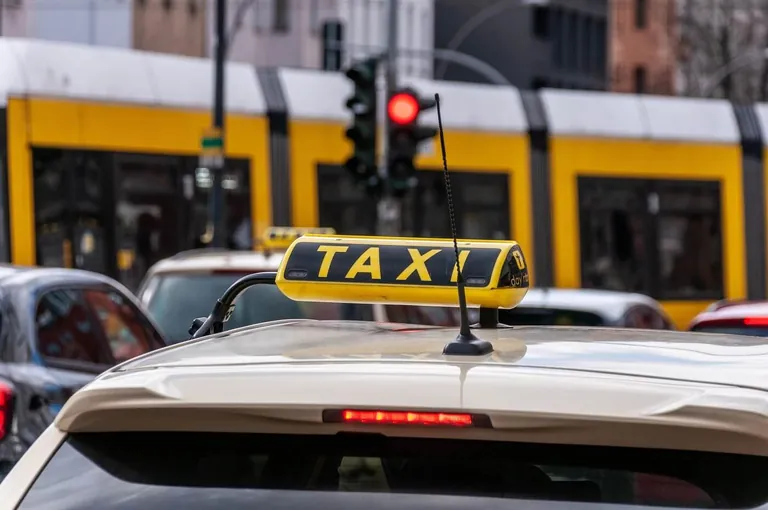
How to Start a Taxi Business in Dubai: Complete Guide

Quick Answer
To start a taxi business in Dubai you need RTA licensing and a franchise or operating arrangement, since the taxi sector is RTA-regulated and operates through licensed franchise operators rather than free entry. It suits entrepreneurs entering Dubai’s strong commuter, tourism and corporate transport demand. The key criterion is securing RTA approval and a compliant fleet with licensed drivers, as you cannot simply run private cars as taxis. Main risks and exceptions include strict RTA licensing, vehicle and driver rules, capital for fleet and franchise, insurance, and a compliance calendar with penalties. Practically, engage with the RTA framework, build a compliant fleet and driver pool, and plan financing and technology. Because RTA and transport rules are detailed and evolving, requirements depend on your model, so confirm current rules with the RTA or an advisor before launching.
Dubai’s transportation sector offers exceptional potential for entrepreneurs who want to launch a taxi company. Demand is driven by daily commuting, tourism flows, premium hospitality, and corporate mobility. Yet success in this industry depends on rigorous licensing, efficient operations, risk control, and a clear financial model. This comprehensive guide explains how taxi companies work in Dubai, what you must do to stay compliant, and how to build a sustainable, profitable operation from day one.
Drawing from long-standing advisory experience with transportation businesses across the UAE, our team at Inlex Partners outlines the exact steps, typical pitfalls, and proven tactics that separate resilient operators from those who burn cash. Use this playbook to plan your licensing, costs, vehicles, drivers, technology stack, and scaling strategy.
Understanding Dubai’s Taxi Market Landscape
Dubai’s taxi ecosystem combines public oversight with private sector efficiency. Multiple licensed franchise operators coexist with corporate limousine providers and app-based platforms. Customer demand comes from residents, business travelers, tourists, and event traffic. This creates room for specialized niches while keeping the bar high on service quality and safety.
Market Performance and Demand Drivers
The market demonstrates resilience and healthy utilization when operators align capacity with demand peaks. Key drivers include airport movement, hotel occupancy, business districts activity, and large-scale events. Technology adoption (e-hailing, cashless payments, dynamic dispatch) strengthens customer experience and load factors, while regulatory oversight maintains safety and service standards.
- Sustained demand: steady flows from tourism, hospitality, and corporate mobility.
- Fleet utilization: higher trip density around airports, business hubs, malls, and entertainment venues.
- Tech enablement: app bookings, digital payments, and GPS routing raise productivity and CX.
- Regulatory clarity: structured licensing, driver standards, and vehicle requirements.
These fundamentals highlight substantial opportunities for well-prepared companies able to meet compliance standards and operate with data discipline.

How Taxi Companies Work in Dubai: Operating Model
Understanding the operating mechanics is essential to answer the core question: how do taxi companies work? A typical company runs a regulated fleet with RTA-approved vehicles and meters, hires and trains licensed drivers, and uses dispatch technology to match demand. Revenue is generated via metered fares, corporate accounts, airport transfers, and pre-booked rides. The core of profitability is utilization: trips per vehicle per day, average kilometers per trip, and idle time control.
Core Functions and Processes
- Dispatch & Routing: centralized or app-based assignment, live GPS, expected time to pickup, and SLA tracking.
- Driver Scheduling: shift planning to match peak hours; relief coverage for breaks and off-peak.
- Fare & Settlement: regulated meter fares, card/cash collection, settlement cycles, reconciliation, fraud checks.
- Quality & Safety: incident logs, customer complaints workflow, vehicle inspections, refresher training.
Operating KPIs to Track
- Trips per vehicle per day
- Utilization rate and idle time
- Revenue per hour / per km
- Cost per km (fuel, maintenance, tires)
- On-time pickup % and complaint rate
Legal Requirements and Regulatory Framework
Starting a taxi business in Dubai requires strict adherence to rules established by the RTA and the Dubai Department of Economic Development (DED). The framework protects customers, standardizes vehicles, and sets driver competence thresholds.
Primary Regulatory Bodies
Roads and Transport Authority (RTA)
- Issues taxi permits and operational licenses
- Sets vehicle standards and safety requirements
- Regulates driver qualifications and training
- Monitors service quality and compliance
Dubai Department of Economic Development (DED)
- Issues trade licenses for business operations
- Regulates business structures and ownership
- Oversees commercial activities and compliance
Business Structure Options
When establishing a taxi business in Dubai, entrepreneurs can choose from several structures depending on ownership, funding, and scale.
Limited Liability Company (LLC)
- Most popular choice for taxi businesses
- Limited liability protection for owners
- Flexible ownership structures
- Suitable for both local and foreign investors
Sole Proprietorship
- Single owner operation
- Full control over business decisions
- Unlimited personal liability
- Lower setup costs
Partnership
- Multiple owners sharing responsibilities
- Shared profits and liabilities
- Collaborative decision-making
- Suitable for joint ventures
Step-by-Step Guide: How to Start a Taxi Business in Dubai
Step 1: Develop Your Business Plan and Model
Define your operating niche and economics. New taxi company in Dubai? Choose focus early—airport transfers, corporate accounts, premium sedans, or mixed model. Include demand assumptions, pricing, wage structure, maintenance plan, and a risk budget. Benchmark against leading taxi companies in Dubai to identify gaps your brand can close.
Traditional Taxi Services
- Street hailing and phone bookings
- Fixed meter rates regulated by RTA
- Standard fleet operations
- Established customer base
App-Based Ride-Hailing
- Digital platform integration
- Dynamic dispatch and e-payments
- Technology-driven operations
- Modern customer experience
Luxury Limousine Services
- Premium vehicle fleet
- High-end clientele and corporate transfers
- Pre-booked rides, flat or hourly rates
- Higher profit margins if utilization is kept high
Specialized Services
- Airport transfer services
- Corporate transportation
- Tourism and sightseeing
- Event transportation
Step 2: Obtain Trade License from DED
Secure a DED trade license for your company taxi operation. Prepare a complete file to avoid rejections and slowdowns.
Required Documentation:
- Passport copies of all shareholders
- UAE residence visa (for residents)
- Emirates ID
- No Objection Certificate (if employed)
- Memorandum of Association (for LLCs)
- Office lease agreement
- Business plan and financial projections
License Categories:
- Commercial License: For general taxi operations
- Professional License: For specialized services
- Industrial License: For fleet maintenance operations
Processing Timeline: typically several working days with complete documentation and a valid office lease.
Step 3: Secure RTA Taxi Permit
After obtaining the trade license, apply for RTA permits and pass inspections. This is the gating step for vehicles and drivers.
Eligibility Requirements:
- Valid UAE trade license
- Registered office address in Dubai
- Compliance with RTA vehicle standards
- Qualified driver recruitment plan
- Insurance coverage arrangements
Application Process:
- Submit application through RTA portal
- Provide required documentation
- Pay applicable fees
- Undergo RTA inspection
- Receive taxi permit approval
Step 4: Vehicle Fleet Acquisition and Registration
Your fleet must meet RTA standards. If you are considering cars taxi company Dubai style operations, prioritize models with high reliability and low total cost of ownership. Hybrid and electric options improve fuel economics and brand perception.
RTA-Approved Vehicle Models:
- Toyota Camry (most common)
- Nissan Altima
- Hyundai Sonata
- Electric and hybrid options encouraged
Vehicle Requirements:
- Maximum age: 3 years for new registrations
- Comprehensive insurance coverage
- RTA-approved taxi meters
- GPS tracking systems
- Safety equipment compliance
Fleet Size Considerations:
- Minimum: 1 vehicle (individual operators)
- Recommended: 5-10 vehicles for sustainable operations
- Large operators: 50+ vehicles for market presence
Step 5: Driver Recruitment and Training
Your driver bench is your brand. Screen for safety, service attitude, and city knowledge. Build a driver value proposition beyond base pay: transparent incentives, realistic shift lengths, and predictable off-days help reduce churn.
RTA Driver Requirements:
- Valid UAE driving license
- Minimum 2 years driving experience
- Clean driving record
- RTA-approved training completion
- Medical fitness certificate
- Good conduct certificate
Training Programs:
- Customer service excellence
- Dubai geography and landmarks
- Traffic rules and regulations
- Emergency procedures
- Cultural sensitivity
Step 6: Insurance and Safety Compliance
Insurance is non-negotiable. Align coverage with risk exposure and contract terms. Build a safety culture with proactive checks, in-cab devices, and incident reporting.
Mandatory Insurance Coverage:
- Third-party liability insurance
- Comprehensive vehicle insurance
- Personal accident insurance for drivers
- Passenger liability coverage
Safety Requirements:
- Regular vehicle inspections
- Driver background checks
- GPS tracking and monitoring
- Emergency communication systems

Financial Investment and Cost Structure
Cost control is where many operators win or lose. Build your model per vehicle and at company level. Consider seasonality, airport access fees, repair cycles, tire wear, and downtime risks. Below is a reference cost structure to help frame your budget.
Initial Setup Costs
| Expense Category | Cost Range (AED) |
|---|---|
| Trade License | 15,000 – 25,000 |
| RTA Taxi Permit | 10,000 – 20,000 |
| Vehicle Purchase (per unit) | 60,000 – 120,000 |
| Vehicle Registration | 3,000 – 5,000 |
| Insurance (annual) | 8,000 – 15,000 |
| Office Setup | 20,000 – 50,000 |
| Technology Systems | 10,000 – 30,000 |
Total Initial Investment: AED 126,000 – 265,000 for single vehicle operation
Ongoing Operational Costs
Monthly Expenses (per vehicle):
- Driver salary: AED 3,000 – 5,000
- Fuel costs: AED 1,500 – 2,500
- Maintenance: AED 800 – 1,200
- Insurance: AED 700 – 1,200
- License renewals: AED 500 – 800
Total Monthly Operating Cost: AED 6,500 – 10,700 per vehicle
Revenue Potential and Profit Margins
Your unit economics depend on utilization, average fare per trip, and downtime control. Lean operations with disciplined route planning and maintenance schedules typically outperform on margin.
Revenue Streams
Primary Revenue Sources:
- Meter-based fares (regulated by RTA)
- Airport transfer services
- Corporate contracts
- Tourism and sightseeing
- Special event transportation
Average Daily Revenue (per vehicle):
- Standard taxi: AED 300 – 500
- Airport taxi: AED 400 – 700
- Luxury limousine: AED 600 – 1,200
Profit Margin Analysis
Monthly Profit Calculation (per vehicle):
- Average monthly revenue: AED 12,000 – 18,000
- Operating expenses: AED 6,500 – 10,700
- Net profit margin: 15-25%
Annual ROI Expectations:
- Break-even period: 18-24 months
- Return on investment: 20-35% annually
- Payback period: 3-4 years
Technology Integration and Digital Transformation
Under-investing in tech is a silent margin killer. Prioritize systems that reduce idle time, automate dispatch, and drive repeat bookings.
Essential Technology Systems
Fleet Management Software
- Real-time vehicle tracking
- Driver performance monitoring
- Route optimization
- Maintenance scheduling
Mobile Applications
- Customer booking platforms
- Driver dispatch systems
- Payment processing
- Customer feedback systems
Partnership Opportunities
- Integration with Hala Taxi platform
- Collaboration with ride-hailing apps
- Corporate booking systems
- Tourism platform partnerships
Mainland vs. Free Zone Setup Options
Entrepreneurs can choose between mainland and free zone establishment. If your aim is full access to the Dubai market, mainland company setup is typically the preferred option due to operational flexibility and contract eligibility, while free zones may provide structural benefits for international operations.
Compliance Calendar and Penalties: Avoid Costly Mistakes
Design a simple compliance calendar to track renewals, inspections, insurance, and driver certifications. Missing dates leads to penalties and operational downtime.
- Trade license renewal (DED)
- RTA permit renewal and vehicle testing
- Insurance policy renewals and coverage checks
- Driver license validations and training refreshers
Common Pitfalls (and Fixes)
- Underestimating fleet downtime: keep buffer vehicles or rapid-service contracts with workshops.
- Weak driver retention: align incentives to KPIs; add safe-driving bonuses and fair shift rotations.
- No corporate pipeline: dedicate a B2B sales routine for hotels, events, and offices.
- Tech underuse: monitor dispatch data weekly; cut dead mileage; improve pickup SLAs.
Use Your Car as Taxi: What Is Allowed
Private vehicles cannot be used as public taxis without proper permits. If you want to use your car as taxi, you must operate under an approved license category (e.g., limousine) and meet vehicle, insurance, and driver criteria. Driving on an aggregator without the right permits risks fines and insurance denial. Always validate category, permit type, and insurance scope before onboarding your car.
Challenges and Risk Management
Based on experience, common challenges include both market and compliance risks. Proactive controls reduce losses and protect licensing status.
Market Competition
- Challenge: Intense competition from established operators
- Solution: Differentiate with service quality, rapid pickup SLAs, niche segments, and corporate contracts
Regulatory Compliance
- Challenge: Complex and evolving regulations
- Solution: Annual internal audits; assign a compliance owner; document SOPs
Driver Retention
- Challenge: High driver turnover rates
- Solution: Clear, transparent pay schemes; recognition programs; fair scheduling
Operational Efficiency
- Challenge: Managing costs and maximizing utilization
- Solution: Route optimization, planned maintenance, and weekly KPI reviews
Partnership and Franchise Opportunities
Considering a franchise path similar to large operators (e.g., models comparable to well-known cars taxi services company LLC brands)? Validate fee structures, operational autonomy, branding terms, and performance obligations. For independent operators, API integrations with e-hailing platforms can accelerate bookings without heavy marketing spend.
RTA Partnership Programs
- Dubai Taxi Corporation franchise opportunities
- Hala Taxi platform integration
- Airport taxi service contracts
- Corporate transportation agreements
Ride-Hailing Platform Integration
- Uber partnership opportunities
- Careem collaboration
- Bolt platform participation
- Independent app development
Future Trends and Market Evolution
Sustainability, automation, and data are shaping the next decade of urban mobility. Early adopters gain cost and brand advantages.
Sustainability Initiatives
- Hybrid and electric vehicles in core fleet
- Eco-driving programs and tire efficiency
- Carbon footprint tracking and reporting
- Green mobility branding to win B2B tenders
Technology Advancement
- AI-powered dispatch and demand forecasting
- Smart city and IoT integrations
- In-cab safety and telematics
- Automated reconciliation and fraud detection
Market Expansion
- Inter-emirate services and corporate corridors
- Tourism packages and hotel partnerships
- Event mobility and VIP logistics
- Niche segments: wheelchair-accessible, family vans
Licensing Renewal and Compliance
Annual Renewal Requirements
- Trade license renewal with DED
- RTA permit renewal
- Vehicle registration updates
- Insurance policy renewals
- Driver license validations
Compliance Monitoring
- Regular RTA inspections
- Service quality assessments
- Customer satisfaction surveys
- Safety compliance audits
Business Setup Support and Professional Services
Launching and scaling a taxi operation involves coordinated licensing, risk management, and operational excellence. Professional guidance streamlines approvals, reduces mistakes, and accelerates time to revenue.
For comprehensive business setup assistance, including taxi company establishment, consider consulting with experienced business setup specialists. Our team at Inlex Partners has extensive experience in Dubai business formation and can guide you through the complete process, from initial planning to operational launch.
Frequently Asked Questions

What is the minimum investment required to start a taxi business in Dubai?
The minimum investment ranges from AED 126,000 to 265,000 for a single-vehicle operation, including licensing, vehicle purchase, and initial setup costs.
How many taxi companies in Dubai?
There are several licensed franchise operators alongside independent limousine providers. Exact counts change over time; what matters is selecting the right niche and achieving strong utilization.
Can foreigners start a taxi business in Dubai?
Yes, foreigners can establish taxi businesses in Dubai through mainland LLCs or free zone companies, subject to regulatory permissions.
What is the Dubai taxi number?
Operators typically publish booking hotlines and app channels. Your company should maintain a short, memorable booking number and omnichannel access for customers.
Can I use my car as taxi?
Only under the correct permit category with compliant insurance and vehicle specs. Operating without the right permit risks penalties and voided insurance.
Do I need taxi solicitors or legal advisors?
Legal advisors help with licensing issues, accident liability, contracts, and disputes. Engage them for complex approvals, franchise contracts, or incident claims.
Is it profitable to start with one taxi?
Possible but constrained by utilization variance. Most successful operators start with 3–5 vehicles to balance fixed costs and ensure service availability.
How long does the licensing process take?
Commonly several weeks if documentation is complete and inspections pass on the first attempt.
Can I operate both traditional and app-based services?
Yes. Many operators blend street-hail coverage with app bookings to stabilize demand and improve utilization.
Conclusion
Building a taxi company in Dubai is achievable when you respect compliance, invest in drivers and vehicles, and manage by numbers, not intuition. With focused planning, technology adoption, and rigorous operations, you can create a reliable service that scales and maintains healthy margins over time.
For broader business opportunities in the UAE, explore our guides on UAE business setup costs and free zone options to map your next steps in company expansion.
Ready to Launch Your Taxi Business in Dubai?
We help you navigate licensing, permits, vehicles, drivers, and compliance without expensive detours.
Why Choose Inlex Partners for Your Taxi Business Setup:
- 15+ years of expertise in UAE transportation and business licensing
- Comprehensive support from business planning to operational launch
- Deep understanding of RTA requirements and DED regulations
- Proven track record with transportation businesses across Dubai
- End-to-end assistance including licensing, vehicle registration, and compliance setup
Whether you’re planning a single-vehicle operation or a large fleet, our team provides the guidance and support you need to succeed in Dubai’s competitive taxi market.
Get Started Today:
- Phone/WhatsApp: +971 52 564 6001
- Email: office@inlex-partners.com
Transform your transportation business vision into reality with Dubai’s trusted business setup specialists. Contact Inlex Partners to take the first step.
About the Author