
How to Start a Transport Business in Dubai

Quick Answer
To start a transport business in Dubai you need the right trade licence and RTA permits matched to your activity (taxi, logistics, freight or last-mile delivery), plus a compliant fleet and licensed drivers. It suits entrepreneurs leveraging Dubai’s logistics-hub status. The key criterion is securing the correct RTA permits and licence for your transport type, since the sector is tightly regulated. Main risks and exceptions include RTA licensing and vehicle and permit rules, driver visas and labour requirements, insurance and safety compliance, and competition. Practically, choose the licence and RTA permits that fit your activity, build a compliant fleet, and budget for drivers, insurance and fleet systems. Because transport licensing and RTA rules are detailed and evolving, requirements depend on your setup, so confirm current rules with the RTA, the relevant authority or an advisor before launching.
Starting a transport business in Dubai presents exceptional opportunities in one of the world’s most dynamic logistics and transportation hubs. Based on our 15 years of experience helping entrepreneurs establish transportation companies in Dubai, we’ve witnessed the sector’s remarkable growth, driven by the emirate’s strategic location, world-class infrastructure, and booming economy.
Dubai’s transport industry, valued at over$15 billion annually, continues expanding with the city’s vision to become the world’s smartest city by 2025. The sector encompasses diverse opportunities from taxi services and logistics companies to specialized freight transportation and last-mile delivery services. With Dubai handling over 15 million passengers annually through its airports and processing millions of tons of cargo, the demand for efficient transportation services remains consistently strong.
This comprehensive guide draws from real client experiences and regulatory insights to provide you with everything needed to successfully launch your transport business in Dubai, from initial licensing through operational optimization and growth strategies.
Dubai Transport Industry Overview
Market Size and Growth Potential
Dubai’s strategic position as a global trade hub creates unprecedented opportunities for transport businesses:
Market Drivers:
- Strategic location connecting Asia, Europe, and Africa
- World-class infrastructure including ports, airports, and road networks
- Rapid economic growth and urbanization
- Expanding e-commerce and last-mile delivery demands
- Government initiatives supporting smart transportation
Industry Segments:
- Passenger transportation (30% market share)
- Freight and logistics (40% market share)
- Specialized transport services (20% market share)
- Last-mile delivery and courier services (10% market share)
Based on our experience, clients entering the logistics and specialized transport segments have shown the strongest growth potential, particularly those serving the e-commerce and construction sectors.

Regulatory Environment
The Roads and Transport Authority (RTA) oversees all transportation activities in Dubai, ensuring safety, efficiency, and compliance with international standards.
Key Regulatory Bodies:
- Roads and Transport Authority (RTA) – Primary regulator
- Dubai Municipality – Environmental and safety compliance
- Dubai Customs – Import/export transportation
- Federal Transport Authority – Interstate operations
Business Structure Options for Transport Companies
Mainland Company Formation
Establishing a mainland transport business provides maximum operational flexibility and market access.
Mainland Advantages:
- Direct access to UAE and GCC markets
- No restrictions on business activities
- Ability to bid on government contracts
- Flexible operational territories
- Local partnership opportunities
Requirements:
- Local UAE national partner (51% ownership)
- Commercial license from Dubai Department of Economic Development
- Minimum share capital: AED 300,000
- Physical office space requirement
Free Zone Options for Transport Businesses
Several free zones offer excellent opportunities for transport and logistics companies:
Dubai Logistics City
Dubai Logistics City provides world-class infrastructure specifically designed for logistics and transport operations.
DLC Benefits:
- Dedicated logistics infrastructure
- Direct connectivity to Al Maktoum International Airport
- Integrated supply chain solutions
- 100% foreign ownership
- Tax advantages and incentives
Jebel Ali Free Zone (JAFZA)
Jebel Ali Free Zone (JAFZA) offers comprehensive facilities for large-scale transport operations.
JAFZA Advantages:
- Largest free zone in the region
- Excellent port and airport connectivity
- Established logistics ecosystem
- Flexible facility options
- Strong international presence
Dubai Airport Free Zone (DAFZA)
Dubai Airport Free Zone (DAFZA) provides strategic location for air cargo and express delivery services.
DAFZA Benefits:
- Direct airport connectivity
- Specialized cargo handling facilities
- Express delivery hub capabilities
- International courier services
- Time-sensitive logistics solutions
Dubai South (DWC)
Dubai South (DWC) offers modern facilities with excellent connectivity to Al Maktoum International Airport.
Dubai South Advantages:
- State-of-the-art infrastructure
- Airport proximity for air cargo
- Competitive operational costs
- Modern logistics facilities
- Growing aviation cluster
Comparison: Mainland vs Free Zone
| Factor | Mainland | Free Zone |
|---|---|---|
| Market Access | Full UAE market | Limited initially |
| Ownership | 51% local partner required | 100% foreign ownership |
| Setup Cost | AED 80,000-120,000 | AED 50,000-100,000 |
| Operational Territory | Unrestricted | Zone-specific initially |
| Government Contracts | Eligible | Limited eligibility |
| RTA Permits | Required for all operations | Required for UAE operations |
For detailed analysis, refer to our comprehensive guide on mainland vs free zone in Dubai.
Licensing Requirements and RTA Permits

Trade License Categories
Transport businesses require specific trade licenses based on their activities:
Commercial License:
- For trading transport equipment and services
- Freight forwarding and logistics services
- Transport brokerage and agency services
Industrial License:
- For vehicle maintenance and repair services
- Transport equipment manufacturing
- Specialized vehicle modifications
Professional License:
- For transport consultancy services
- Logistics planning and optimization
- Transport technology services
RTA Transport Permits
The Roads and Transport Authority issues various permits for different transport activities:
Public Transport Permits:
- Taxi and limousine services
- Bus and coach operations
- School transport services
- Tourism transport permits
Commercial Transport Permits:
- Goods transport permits
- Heavy vehicle permits
- Specialized transport permits
- Inter-emirate transport permits
Private Transport Permits:
- Corporate transport services
- Employee transportation
- Event and occasion transport
- VIP and executive transport
License Application Process
Step-by-Step Procedure:
- Business Name Reservation (2-3 days)
- Submit name options to relevant authority
- Ensure compliance with naming guidelines
- Obtain name approval certificate
- Initial Approval (5-7 days)
- Submit business plan and activity details
- Provide shareholder and manager information
- Pay initial approval fees
- Location Requirements (3-5 days)
- Secure appropriate business premises
- Obtain tenancy contract or facility agreement
- Ensure location meets activity requirements
- RTA Permit Application (10-14 days)
- Submit transport permit applications
- Provide vehicle specifications and documentation
- Complete safety and technical inspections
- Final License Issuance (5-7 days)
- Submit all required documents
- Pay license fees and security deposits
- Receive trade license and transport permits
Total Timeline: 6-8 weeks for complete setup
Vehicle Requirements and Fleet Management
Vehicle Categories and Specifications
Light Commercial Vehicles:
- Pickup trucks and vans (up to 3.5 tons)
- Delivery vehicles and courier vans
- Passenger cars for taxi services
- Minibuses for group transport
Heavy Commercial Vehicles:
- Trucks and trailers (above 3.5 tons)
- Container transport vehicles
- Specialized cargo vehicles
- Construction and industrial transport

Specialized Vehicles:
- Refrigerated transport vehicles
- Hazardous material transport
- Oversized cargo transport
- Luxury and VIP transport vehicles
Vehicle Registration and Licensing
RTA Vehicle Registration:
- Vehicle inspection and testing
- Insurance coverage verification
- Driver license validation
- Safety equipment compliance
Required Documentation:
- Vehicle purchase invoice or lease agreement
- Manufacturer’s certificate of conformity
- Insurance policy documents
- Driver’s license and medical certificates
- No-objection certificate (if applicable)
Fleet Management Considerations
Fleet Size Planning:
Based on our experience, optimal fleet sizes vary by business type:
- Taxi services: 5-20 vehicles initially
- Logistics companies: 10-50 vehicles
- Specialized transport: 3-15 vehicles
- Last-mile delivery: 20-100 vehicles
Vehicle Financing Options:
- Bank loans for vehicle purchase
- Leasing arrangements with dealers
- Islamic financing solutions
- Equipment financing facilities
Setup Costs and Financial Planning
Initial Investment Breakdown
Comprehensive Cost Analysis:
| Category | Small Operation | Medium Operation | Large Operation |
|---|---|---|---|
| License & Setup | AED 50,000 | AED 80,000 | AED 120,000 |
| Vehicle Fleet | AED 300,000 | AED 800,000 | AED 2,000,000 |
| Office & Facilities | AED 40,000 | AED 80,000 | AED 150,000 |
| Equipment & Technology | AED 30,000 | AED 60,000 | AED 120,000 |
| Insurance & Permits | AED 25,000 | AED 50,000 | AED 100,000 |
| Working Capital | AED 100,000 | AED 200,000 | AED 400,000 |
| Total Investment | AED 545,000 | AED 1,270,000 | AED 2,890,000 |
For comprehensive cost analysis, see our detailed guide on the real cost of starting a business in Dubai.
Vehicle Costs by Category
Light Commercial Vehicles:
- New pickup trucks: AED 60,000-120,000
- New delivery vans: AED 80,000-150,000
- Used vehicles: 40-60% of new prices
- Leasing options: AED 1,500-3,000 monthly
Heavy Commercial Vehicles:
- New trucks: AED 200,000-500,000
- Specialized vehicles: AED 300,000-800,000
- Used commercial vehicles: 50-70% of new prices
- Leasing arrangements: AED 5,000-15,000 monthly
Ongoing Operational Costs
Monthly Operating Expenses:
Fixed Costs:
- Vehicle financing/leasing: AED 10,000-50,000
- Insurance premiums: AED 3,000-15,000
- Office rent and utilities: AED 5,000-20,000
- Staff salaries: AED 15,000-60,000
- License renewals: AED 1,000-3,000
Variable Costs:
- Fuel and maintenance: 25-35% of revenue
- Driver wages and incentives: 20-30% of revenue
- Vehicle repairs and parts: 5-10% of revenue
- Technology and tracking systems: 2-3% of revenue
Driver Requirements and Employment
Driver Licensing and Qualifications
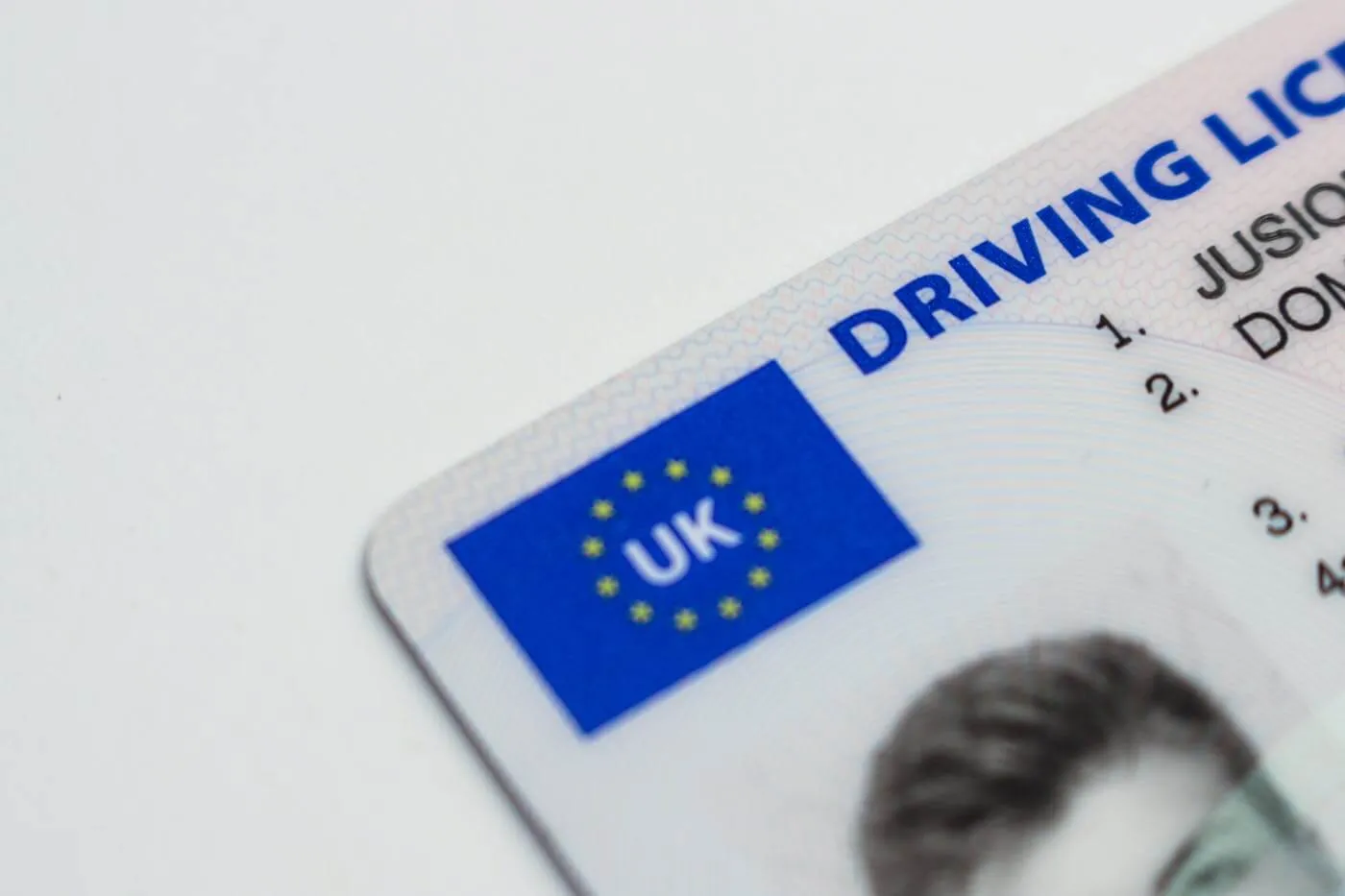
UAE Driving License Requirements:
- Valid UAE driving license for vehicle category
- Minimum age requirements (21 for commercial vehicles)
- Medical fitness certificate
- Clean driving record
- Professional driving permit (for commercial operations)
International Driver Qualifications:
- Experience in similar transport operations
- Knowledge of Dubai roads and regulations
- Language proficiency (Arabic/English)
- Customer service skills
- Safety training certification
Employment and Visa Process
Driver Employment Requirements:
- Employment visa and work permit
- Labor contract approval from Ministry of Human Resources and Emiratisation
- Medical examination and Emirates ID
- Security clearance (for certain transport types)
Typical Driver Salaries:
- Light vehicle drivers: AED 2,500-4,000
- Heavy vehicle drivers: AED 3,500-6,000
- Specialized transport drivers: AED 4,000-8,000
- Experienced supervisors: AED 5,000-10,000
Training and Compliance
Mandatory Training Programs:
- RTA-approved driver training courses
- Safety and emergency procedures
- Customer service training
- Vehicle maintenance basics
- Regulatory compliance updates
Ongoing Compliance:
- Regular medical examinations
- Driving record monitoring
- Performance evaluations
- Continuous education programs
- Safety incident reporting
In practice, we’ve found that investing in comprehensive driver training and competitive compensation packages significantly reduces turnover and improves service quality.
Technology and Fleet Management Systems
GPS Tracking and Fleet Management
Essential Technology Features:
- Real-time vehicle tracking
- Route optimization and planning
- Driver behavior monitoring
- Fuel consumption tracking
- Maintenance scheduling systems
Popular Fleet Management Solutions:
- Careem for Business: AED 200-500 monthly per vehicle
- Aramex Fleet Management: AED 150-400 monthly per vehicle
- Local UAE solutions: AED 100-300 monthly per vehicle
- Custom enterprise solutions: AED 300-800 monthly per vehicle
Digital Payment and Booking Systems
Customer Interface Technology:
- Mobile app development
- Online booking platforms
- Digital payment integration
- Customer tracking and notifications
- Rating and feedback systems
Operational Management Systems:
- Dispatch and scheduling software
- Customer relationship management (CRM)
- Financial management and reporting
- Inventory and parts management
- Compliance and documentation systems
Safety and Security Technology
Vehicle Safety Systems:
- Dash cameras and recording systems
- Emergency communication devices
- Vehicle immobilization systems
- Driver fatigue monitoring
- Collision avoidance systems
Security Measures:
- Vehicle tracking and recovery systems
- Cargo security and monitoring
- Driver panic buttons
- Secure communication channels
- Insurance and risk management integration
Insurance and Risk Management
Mandatory Insurance Requirements
Motor Vehicle Insurance:
- Third-party liability insurance (mandatory)
- Comprehensive coverage (recommended)
- Commercial vehicle insurance
- Passenger liability coverage
- Cargo insurance (for freight operations)
Business Insurance:
- General liability insurance
- Professional indemnity coverage
- Business interruption insurance
- Equipment and asset protection
- Cyber liability insurance
Insurance Costs by Vehicle Type
| Vehicle Category | Annual Premium Range | Coverage Type |
|---|---|---|
| Light Commercial | AED 2,000-5,000 | Comprehensive |
| Heavy Commercial | AED 5,000-15,000 | Commercial coverage |
| Passenger Vehicles | AED 1,500-4,000 | Third-party plus |
| Specialized Transport | AED 8,000-25,000 | Specialized coverage |
Risk Management Strategies
Operational Risk Mitigation:
- Regular vehicle maintenance programs
- Driver training and monitoring
- Route planning and optimization
- Emergency response procedures
- Incident reporting and analysis
Financial Risk Management:
- Diversified service offerings
- Multiple revenue streams
- Adequate insurance coverage
- Emergency fund maintenance
- Regular financial monitoring
Marketing and Business Development
Target Market Identification
Primary Market Segments:
Corporate Clients:
- Employee transportation services
- Logistics and supply chain support
- Executive and VIP transport
- Event and conference transport
Individual Consumers:
- Taxi and ride-hailing services
- Airport transfer services
- Tourism and sightseeing transport
- Personal logistics and moving services
E-commerce and Retail:
- Last-mile delivery services
- Warehouse and distribution support
- Same-day delivery solutions
- Return and exchange logistics
Construction and Industrial:
- Heavy equipment transport
- Construction material delivery
- Industrial waste management
- Specialized cargo transport
Marketing Strategies
Digital Marketing:
- Professional website development
- Search engine optimization (SEO)
- Social media marketing
- Online advertising campaigns
- Mobile app development
Traditional Marketing:
- Vehicle branding and advertising
- Trade show participation
- Industry networking events
- Direct sales approach
- Referral programs
Partnership Development:
- Corporate service agreements
- E-commerce platform partnerships
- Hotel and tourism partnerships
- Construction company alliances
- Government contract bidding
Pricing Strategies
Competitive Pricing Models:
Distance-Based Pricing:
- Per kilometer rates
- Minimum charge requirements
- Fuel surcharge adjustments
- Peak hour premiums
Time-Based Pricing:
- Hourly rates for dedicated services
- Daily and weekly rates
- Monthly contract pricing
- Seasonal adjustments
Service-Based Pricing:
- Premium pricing for specialized services
- Volume discounts for regular clients
- Package deals for multiple services
- Value-added service pricing
Regulatory Compliance and Safety
RTA Compliance Requirements
Operational Compliance:
- Regular vehicle inspections
- Driver license renewals
- Permit renewals and updates
- Safety equipment maintenance
- Incident reporting procedures
Documentation Requirements:
- Vehicle registration documents
- Driver records and certifications
- Insurance policy documents
- Operational permits and licenses
- Safety inspection certificates
Safety Standards and Protocols
Vehicle Safety Standards:
- Regular maintenance schedules
- Safety equipment inspections
- Emergency equipment requirements
- Vehicle condition monitoring
- Compliance with RTA specifications
Driver Safety Protocols:
- Working hour limitations
- Rest period requirements
- Health and fitness monitoring
- Safety training programs
- Incident response procedures
Environmental Compliance
Emission Standards:
- Vehicle emission testing
- Environmental compliance certificates
- Fuel efficiency monitoring
- Alternative fuel adoption
- Carbon footprint reduction
Waste Management:
- Proper disposal of vehicle fluids
- Tire and parts recycling
- Environmental impact assessments
- Sustainable operation practices
- Green technology adoption
Financial Management and Banking
Business Banking Requirements
Establishing proper banking relationships is crucial for transport business operations:
Banking Services Needed:
- Current account for daily operations
- Fleet financing facilities
- Fuel card programs
- International transfer services
- Equipment financing options
Our business bank account UAE services help streamline the banking setup process for transport businesses.
Revenue Management
Revenue Optimization Strategies:
- Dynamic pricing models
- Route optimization for efficiency
- Load factor maximization
- Service diversification
- Technology-driven improvements
Financial Controls:
- Daily revenue reconciliation
- Expense tracking and categorization
- Profit margin analysis
- Cash flow management
- Budget planning and monitoring
Funding Options
Traditional Financing:
- Bank loans for vehicle purchase
- Equipment financing facilities
- Working capital loans
- Trade finance for operations
- Islamic financing solutions
Alternative Funding:
- Vehicle leasing arrangements
- Partnership investments
- Government support programs
- Equipment rental options
- Franchise opportunities
Tax and Compliance Considerations
UAE Tax Framework
Corporate Tax:
The UAE’s corporate tax system applies to transport businesses:
- 9% tax on profits exceeding AED 375,000
- Proper accounting and record-keeping requirements
- Annual tax return filing obligations
Our corporate tax services provide comprehensive support for transport businesses.
Value Added Tax (VAT):
Transport businesses must comply with UAE VAT regulations:
- 5% VAT on most transport services
- Zero-rated international transport
- Input tax recovery on business expenses
- Monthly or quarterly VAT returns
Our VAT services ensure full compliance with UAE VAT requirements.
Customs and Trade Compliance
For businesses involved in international transport:
Customs Compliance:
- Authorized Economic Operator (AEO) status
- Customs clearance procedures
- Documentation requirements
- Duty and tax obligations
- Security and safety standards
Our customs duties tax compliance services support international transport operations.
Growth and Expansion Strategies
Business Scaling Options
Horizontal Expansion:
- Additional service offerings
- New geographic markets
- Fleet size expansion
- Technology upgrades
- Partnership development
Vertical Integration:
- Vehicle maintenance services
- Fuel supply arrangements
- Insurance brokerage
- Technology development
- Training and certification services
Regional Expansion
GCC Market Opportunities:
- Saudi Arabia transport services
- Kuwait and Qatar expansion
- Oman and Bahrain operations
- Regional logistics networks
- Cross-border transport services
International Markets:
- African market opportunities
- Asian route development
- European partnerships
- Global logistics integration
- International freight services
Technology Innovation
Emerging Technologies:
- Electric and hybrid vehicles
- Autonomous vehicle preparation
- Artificial intelligence optimization
- Blockchain for logistics
- Internet of Things (IoT) integration
Digital Transformation:
- Advanced fleet management systems
- Predictive maintenance technology
- Customer experience platforms
- Data analytics and reporting
- Mobile-first service delivery
Frequently Asked Questions
What is the minimum investment required to start a transport business in Dubai?
The minimum investment varies by business type and scale. Small operations require approximately AED 545,000, while large commercial transport businesses may need AED 2.8+ million. This includes licensing, vehicles, equipment, and working capital.
Which free zone is best for a transport business in Dubai?
Dubai Logistics City and Jebel Ali Free Zone (JAFZA) are ideal for transport businesses due to their logistics infrastructure, connectivity, and specialized facilities.
What RTA permits are required for transport operations?
Required permits depend on your transport type: public transport permits for taxis/buses, commercial transport permits for goods transport, and specialized permits for heavy vehicles or hazardous materials.
How long does it take to set up a transport business in Dubai?
The complete setup process typically takes 6-8 weeks, including license approval, RTA permits, vehicle registration, and operational setup. Free zone setups may be faster than mainland establishments.
What are the driver requirements for transport businesses?
Drivers need valid UAE driving licenses for their vehicle category, medical fitness certificates, clean driving records, and professional driving permits for commercial operations. International drivers require employment visas.
Can I operate transport services across all UAE emirates?
Mainland companies can operate across all emirates with proper permits. Free zone companies may need additional approvals for operations outside their zone. Inter-emirate transport requires specific permits.
What are the insurance requirements for transport vehicles?
All vehicles require third-party liability insurance (mandatory). Commercial operations need comprehensive coverage, passenger liability insurance, and cargo insurance depending on the service type.
How do I obtain fuel cards for my fleet?
Major fuel companies (ADNOC, EPPCO, ENOC) offer fleet fuel card programs. These provide centralized billing, fuel monitoring, and cost control benefits for transport businesses.
What are the VAT implications for transport services?
Most transport services are subject to 5% VAT in the UAE. International transport may be zero-rated. Businesses must register for VAT if annual turnover exceeds AED 375,000.
Can I start with used vehicles for my transport business?
Yes, used vehicles are acceptable if they meet RTA safety and emission standards. They must pass technical inspections and comply with age restrictions for commercial transport operations.
Expert Recommendations
For First-Time Entrepreneurs
Success Strategies:
- Market Research: Conduct thorough analysis of target markets and competition
- Financial Planning: Ensure adequate working capital for the first 18-24 months
- Technology Investment: Implement modern fleet management and tracking systems
- Compliance Focus: Maintain strict adherence to RTA and safety regulations
For Existing Business Owners
Expansion Approaches:
- Service Diversification: Add complementary transport services
- Technology Upgrade: Invest in advanced fleet management systems
- Geographic Expansion: Explore opportunities in other emirates or GCC countries
- Partnership Development: Build strategic alliances with logistics companies
For International Companies
Market Entry Strategy:
- Local Partnerships: Consider joint ventures with established UAE transport companies
- Gradual Expansion: Start with specialized services before expanding to general transport
- Regulatory Compliance: Ensure full understanding of UAE transport regulations
- Cultural Adaptation: Adapt services to local market preferences and requirements
Conclusion
Starting a transport business in Dubai presents exceptional opportunities in one of the world’s most dynamic logistics and transportation markets. The emirate’s strategic location, world-class infrastructure, supportive regulatory environment, and growing economy create ideal conditions for transport business success.
Key success factors include thorough market research, adequate capitalization, compliance with RTA regulations, investment in modern technology, and focus on service quality. The choice between mainland and free zone establishment depends on your specific business model, target market, and expansion objectives.
Dubai’s transport industry continues evolving with technological advances, sustainability initiatives, and smart city developments. Businesses that embrace innovation, maintain high safety standards, and adapt to market changes will find significant opportunities for growth and profitability.
The regulatory framework, while comprehensive, is transparent and supportive of business development. Proper planning, professional guidance, and compliance with all requirements ensure smooth business establishment and operations.
With the right approach, adequate investment, and professional support, your transport business can become a successful part of Dubai’s thriving logistics ecosystem, contributing to the emirate’s vision of becoming the world’s smartest and most connected city.
Disclaimer: This guide provides general information based on current regulations and market conditions. Specific requirements may vary based on individual circumstances, and regulations are subject to change. Professional advice should be sought for specific business situations.
Launch Your Transport Business in Dubai with Expert Guidance
At Inlex Partners, we’ve successfully helped over 180 entrepreneurs establish transport and logistics businesses in Dubai over the past 15 years. Our comprehensive understanding of the UAE transport landscape, RTA regulations, and industry dynamics ensures your transport business launches successfully and operates efficiently.
Our specialized transport business setup services include:
- Complete Business Setup: From license application to RTA permit approval and operational launch
- RTA Compliance: Full support for all transport permits, vehicle registration, and regulatory requirements
- Location Advisory: Optimal free zone or mainland location selection based on your transport model
- Fleet Management: Vehicle sourcing guidance, financing assistance, and fleet optimization strategies
- Technology Integration: Modern fleet management systems, GPS tracking, and digital platform setup
- Ongoing Support: Insurance arrangements, driver recruitment, and business expansion strategies
Why choose our expertise for your transport business:
- Industry Specialization: Deep knowledge of Dubai’s transport and logistics sectors
- Proven Track Record: Successfully launched transport businesses from small fleets to major logistics operations
- RTA Expertise: Established relationships with RTA and comprehensive knowledge of transport regulations
- End-to-End Service: Complete support from initial planning through profitable operations
- Technology Focus: Integration of modern fleet management and tracking technologies
Don’t let the complexities of transport regulations and RTA requirements delay your business dreams. Our experienced team provides the expertise, connections, and ongoing support you need to establish a successful transport operation in Dubai’s dynamic market.
Ready to start your transport business journey?
Phone/WhatsApp: +971 52 564 6001
Email: office@inlex-partners.com
Contact us today for a comprehensive consultation and discover how we can help you build a successful transport business in Dubai’s thriving logistics hub.
About the Author