Art Gallery and Art Advisory in Dubai: Curation, Events, and Collector Relations

Quick Answer
Opening an art gallery or art advisory business in Dubai requires the right trade licence (mainland or a free zone such as DIFC or Dubai Design District), exhibition or office space, and strong curation plus collector-relationship skills. It matters most to gallerists, curators, and advisors serving the region’s high-net-worth, corporate, and emerging collectors. The main success criterion is a credible curatorial programme and trusted collector relationships, since reputation drives sales more than location alone. Key risks and exceptions include authenticity and provenance verification, anti-money-laundering (AML) obligations on high-value art sales, insurance, and import or customs handling of artworks. Practically, build a focused niche, document provenance rigorously, and combine events with advisory revenue to smooth cash flow. Licensing, customs, AML and tax requirements depend on your specific activities, so confirm the current rules with the relevant UAE authority or an advisor.
Dubai’s emergence as a global cultural hub has transformed the emirate into a thriving art market, creating exceptional opportunities for art galleries and advisory services. With the city’s strategic position between East and West, growing collector base, and government support for cultural initiatives, establishing an art gallery and advisory business presents significant potential for entrepreneurs who understand curation excellence, event programming, and sophisticated collector relationship management.
Understanding Dubai’s Art Market Landscape
The UAE art market has experienced remarkable growth, driven by cultural diversification initiatives, increasing collector sophistication, and Dubai’s position as a regional art trading hub. Based on our experience working with cultural and creative industry clients in Dubai, the art gallery and advisory sector offers substantial opportunities for businesses that combine artistic expertise with commercial acumen.
Market Dynamics and Collector Behavior
Primary Collector Segments:
- High-net-worth individuals seeking investment-grade artworks
- Corporate collectors building prestigious art collections
- Emerging collectors interested in contemporary Middle Eastern art
- International collectors accessing regional and global markets
Market Growth Drivers:
- Government cultural initiatives and museum development
- Art Dubai and regional art fair ecosystem expansion
- Growing appreciation for Middle Eastern contemporary art
- Wealth creation and cultural sophistication among UAE residents
Strategic Art Curation and Collection Development
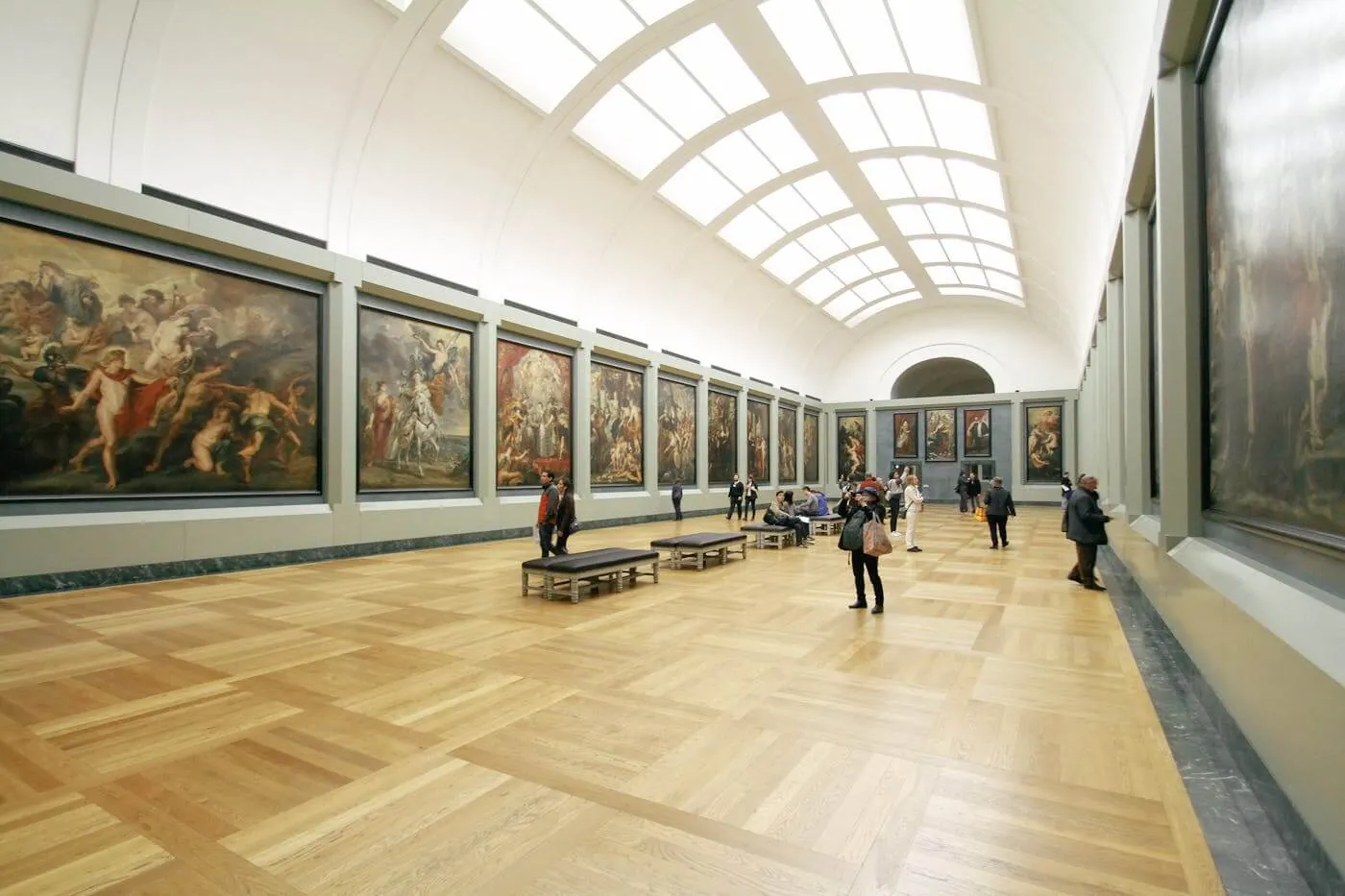
Effective curation forms the foundation of successful art gallery operations. In practice, we’ve found that strategic collection development combined with market knowledge yields optimal results for both galleries and collectors.
Curation Philosophy and Framework
Core Curation Principles:
- Cultural Relevance: Balancing international appeal with regional significance
- Investment Potential: Selecting works with appreciation prospects
- Artistic Merit: Maintaining high aesthetic and conceptual standards
- Market Accessibility: Offering diverse price points and mediums
Collection Development Strategy:
- Primary Market Focus: Representing emerging and mid-career artists
- Secondary Market Opportunities: Curating established artist works
- Regional Specialization: Developing expertise in Middle Eastern art
- International Connections: Building global artist and gallery relationships
Artist Representation and Development
Artist Selection Criteria:
- Artistic vision and technical proficiency
- Career trajectory and exhibition history
- Market potential and collector interest
- Cultural significance and contemporary relevance
Artist Development Programs:
- Studio visit programs and mentorship
- Exhibition planning and career guidance
- Market positioning and pricing strategies
- International exposure and networking opportunities
Exhibition Programming and Event Management
Strategic exhibition programming differentiates galleries while building collector engagement and market presence.
Exhibition Planning Framework
Annual Programming Strategy:
- Solo Exhibitions: Featuring represented artists and special projects
- Group Thematic Shows: Exploring cultural and artistic concepts
- Collector Showcases: Highlighting private collection highlights
- Educational Exhibitions: Promoting art historical understanding
Exhibition Development Process:
| Phase | Duration | Key Activities | Stakeholders |
|---|---|---|---|
| Concept Development | 6-12 months | Theme research, artist selection | Curators, Artists |
| Planning & Production | 3-6 months | Logistics, catalog production | Gallery team, Vendors |
| Marketing & Promotion | 2-3 months | PR, collector outreach | Marketing, Media |
| Exhibition & Sales | 4-8 weeks | Opening events, collector visits | All stakeholders |
Event Programming and Collector Engagement
Signature Event Categories:
- Opening Receptions: Exclusive previews for VIP collectors
- Artist Talks and Panels: Educational programming and dialogue
- Collector Dinners: Intimate networking and relationship building
- Art Fair Participation: Regional and international market presence
Cultural Event Integration:
- Art Dubai and regional art fair programming
- Dubai Culture and Arts Authority partnerships
- Museum collaboration and cultural exchange
- International art week participation and hosting
Collector Relations and Advisory Services
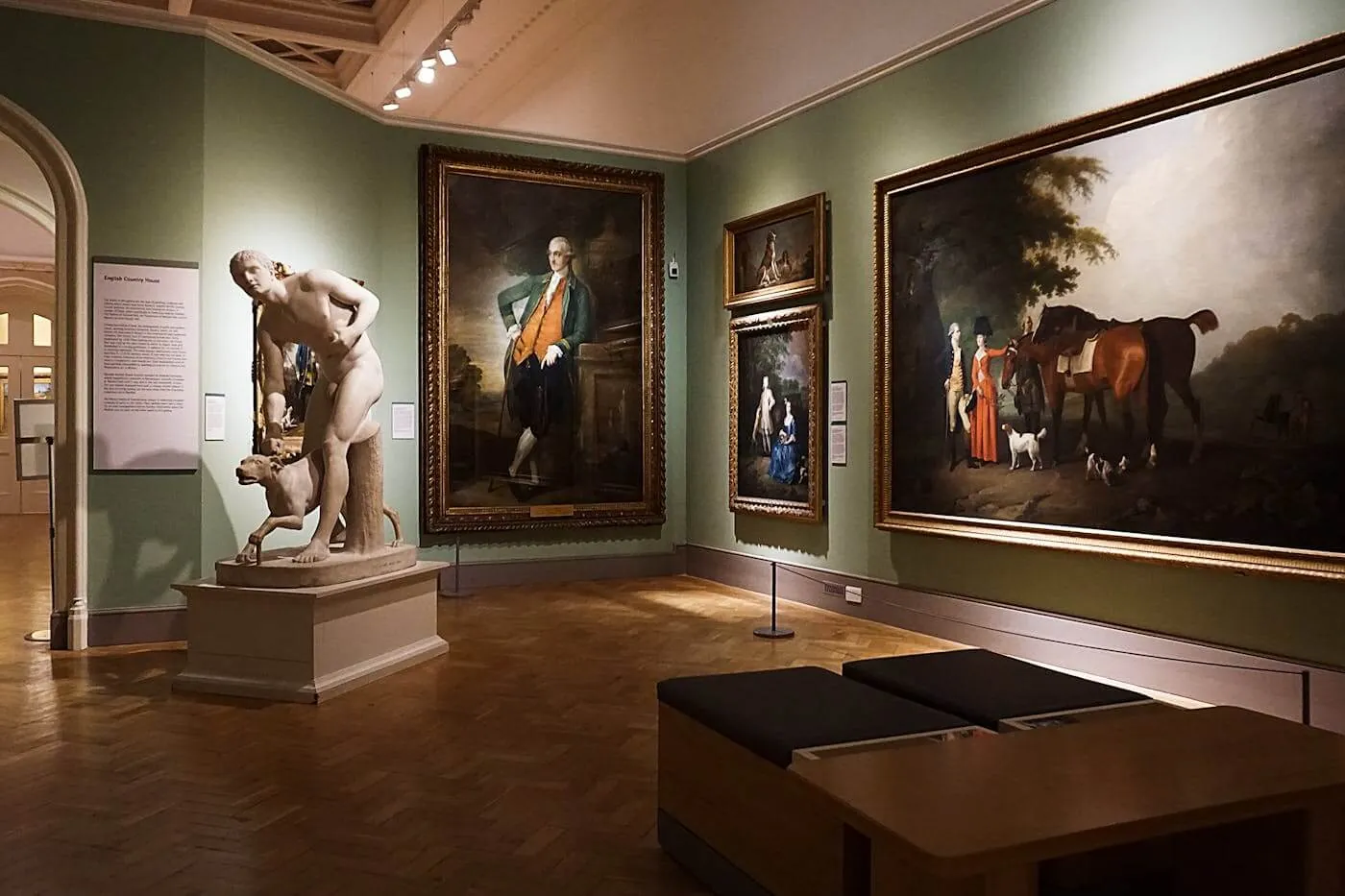
Building sophisticated collector relationships drives gallery success and creates sustainable revenue streams through advisory services.
Collector Relationship Management
Client Segmentation Strategy:
- Institutional Collectors: Museums, corporations, foundations
- Established Collectors: Experienced art market participants
- Emerging Collectors: New entrants seeking guidance and education
- Investment Collectors: Focus on appreciation and portfolio building
Relationship Development Framework:
- Initial Consultation: Understanding collecting goals and preferences
- Collection Assessment: Evaluating existing holdings and gaps
- Acquisition Strategy: Developing purchasing plans and priorities
- Ongoing Advisory: Market updates, conservation, and collection management
Art Advisory Service Offerings
Core Advisory Services:
- Collection Development: Strategic acquisition planning and execution
- Market Analysis: Artist and artwork valuation and trends
- Authentication Services: Provenance research and verification
- Collection Management: Conservation, insurance, and documentation
Specialized Services:
- Estate Planning: Art collection succession and tax optimization
- Corporate Collections: Workplace art programs and cultural initiatives
- Investment Advisory: Art as alternative investment analysis
- Cultural Philanthropy: Museum donation and tax benefit strategies
Business Setup and Regulatory Framework
Establishing an art gallery and advisory business in Dubai requires understanding cultural sector regulations and optimal business structure selection.
Licensing and Registration Requirements
Primary License Categories:
- General trading license for art sales and exhibitions
- Professional services license for advisory activities
- Cultural activities license for educational programming
- Import/export permits for international art transactions
Regulatory Compliance:
- VAT registration requirements for art sales and services
- Corporate tax obligations under UAE regulations
- Cultural import/export documentation and procedures
- Intellectual property and copyright compliance
Optimal Business Structure Selection
Free Zone Advantages:
- Dubai Design District (D3) for creative industry positioning
- Dubai International Financial Centre (DIFC) for advisory services
- Dubai Media City (DMC) for cultural and media integration
Mainland Benefits:
- Direct access to UAE domestic art market
- Flexibility in gallery location and operations
- Broader licensing options for diverse cultural activities
Financial Planning and Investment Analysis
Successful art galleries and advisory services require comprehensive financial planning and realistic investment projections.
Startup Capital Requirements
Initial Investment Breakdown:
- Gallery space acquisition and renovation (35-45% of total investment)
- Initial art inventory and consignment arrangements (25-35%)
- Technology, security, and exhibition systems (15-20%)
- Marketing, branding, and launch events (10-15%)
- Working capital and operational reserves (10-15%)
Monthly Operating Expenses:
- Rent and utilities (25-35% of revenue)
- Staff salaries and professional fees (30-40%)
- Marketing and event programming (15-20%)
- Insurance, security, and maintenance (10-15%)
- Administrative and compliance costs (5-10%)
Revenue Model Development
Primary Revenue Streams:
- Art Sales Commissions: 40-60% commission on represented artists
- Advisory Service Fees: Hourly, project-based, or retainer arrangements
- Secondary Market Sales: Consignment and private sales commissions
- Event and Space Rental: Corporate events and private functions
Revenue Optimization Strategies:
| Service Category | Pricing Model | Margin Range | Volume Strategy |
|---|---|---|---|
| Primary Art Sales | 50% commission | 40-50% | Artist development |
| Advisory Services | AED 500-2000/hour | 70-80% | Relationship building |
| Secondary Sales | 20-30% commission | 15-25% | Market expertise |
| Events & Rentals | Fixed + % revenue | 60-70% | Space utilization |
Tax Optimization and Art Market Compliance
Understanding UAE tax obligations and art market regulations ensures compliance while optimizing business profitability through our comprehensive corporate tax services.
VAT Management for Art Businesses
VAT Considerations:
- Standard 5% VAT on art sales and advisory services
- Import VAT on international artwork acquisitions
- VAT filing compliance for complex art transactions
- VAT advisory services for collector and gallery optimization
Art-Specific Tax Planning:
- Customs duties and tax compliance for art imports
- Temporary import procedures for exhibitions
- Free zone benefits for art trading operations
- International tax structuring for global collectors
Technology Integration and Digital Presence
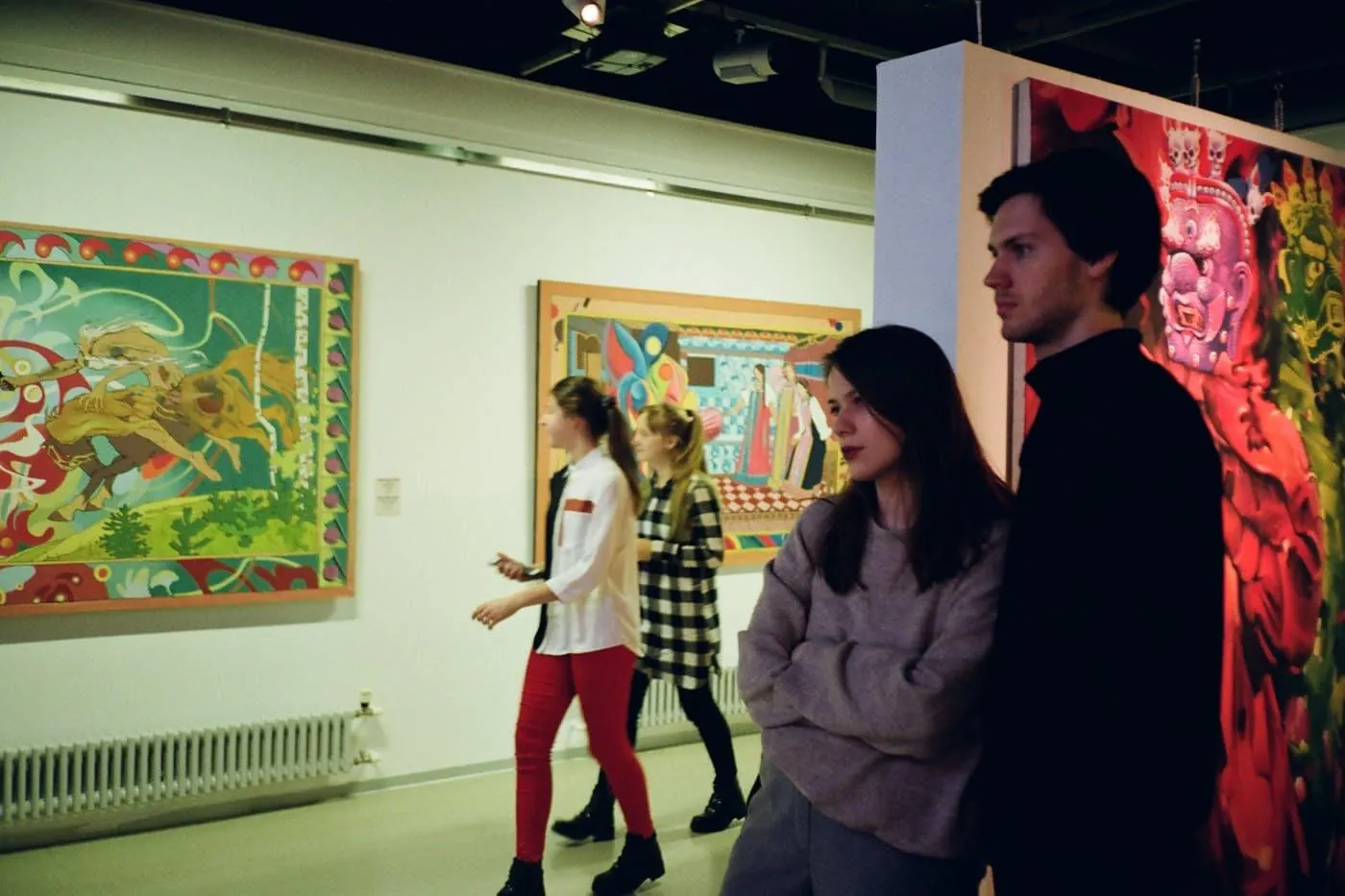
Modern art galleries require sophisticated technology infrastructure to support operations, sales, and collector engagement.
Gallery Management Systems
Core Technology Requirements:
- Inventory Management: Artwork tracking, condition reports, provenance documentation
- Customer Relationship Management: Collector profiles, purchase history, preferences
- Sales and Commission Tracking: Transaction management and artist payments
- Exhibition Management: Planning, logistics, and documentation systems
Digital Cataloging and Documentation:
- High-resolution artwork photography and archival systems
- Provenance research and authentication documentation
- Conservation records and condition monitoring
- Digital certificate and blockchain authentication integration
Online Presence and E-commerce
Digital Gallery Platform:
- Professional website with virtual exhibition capabilities
- Online viewing room and private sales platforms
- Collector portal for collection management and updates
- Mobile-optimized browsing and inquiry systems
Social Media and Marketing:
- Instagram visual storytelling and artist features
- Facebook event promotion and collector engagement
- LinkedIn professional networking and B2B outreach
- YouTube artist interviews and exhibition documentation
International Art Market Integration
Dubai’s strategic location enables integration with global art markets and international collector networks.
Global Art Fair Participation
Regional Art Fair Strategy:
- Art Dubai as primary regional platform
- Abu Dhabi Art and regional fair participation
- Satellite fair programming and special projects
- VIP collector tour organization and hosting
International Market Development:
- Art Basel and major international fair participation
- Gallery partnership and exchange programs
- International collector outreach and relationship building
- Cross-cultural exhibition and artist exchange initiatives
Cross-Border Art Transactions
International Sales and Shipping:
- Global shipping and logistics coordination
- Insurance and risk management for valuable artworks
- Currency exchange and international payment processing
- Legal compliance for cross-border art transactions
Cultural Exchange Programs:
- Artist residency and exchange initiatives
- Museum loan and exhibition partnerships
- Cultural diplomacy and government collaboration
- Educational and academic partnership development
Banking and Financial Services
Establishing appropriate banking relationships supports complex art transactions and international operations. Our bank account opening services facilitate optimal banking arrangements.
Banking Requirements for Art Businesses
Essential Account Types:
- Business current account for daily operations
- Foreign currency accounts for international transactions
- Escrow accounts for high-value art transactions
- Investment accounts for collection development funds
Specialized Financial Services:
- Art lending and collection financing
- Insurance and risk management for valuable collections
- Estate planning and succession services for collectors
- Investment advisory for art as alternative assets
Risk Management and Insurance
Comprehensive risk management protects against various exposures inherent in art gallery and advisory operations.
Insurance Coverage Requirements
Essential Coverage Types:
- Fine arts insurance for gallery inventory and exhibitions
- Professional liability for advisory services and authentication
- General liability for gallery operations and events
- Cyber liability for digital assets and collector data
Risk Mitigation Strategies:
- Comprehensive artwork condition documentation
- Professional conservation and handling procedures
- Security systems and environmental monitoring
- Emergency response and disaster recovery planning
Cultural Impact and Community Engagement
Successful art galleries contribute to cultural development while building sustainable business models through community engagement.
Cultural Development Initiatives
Educational Programming:
- Art appreciation workshops and lectures
- School and university partnership programs
- Artist development and mentorship initiatives
- Cultural exchange and dialogue facilitation
Community Engagement:
- Local artist support and promotion
- Cultural event hosting and participation
- Charitable fundraising and social impact initiatives
- Tourism and cultural heritage promotion
Government and Institutional Partnerships
Cultural Authority Collaboration:
- Dubai Culture and Arts Authority partnership programs
- Museum and cultural institution relationships
- Government cultural initiative participation
- Tourism board collaboration and promotion
Academic and Research Partnerships:
- University art program collaboration
- Research and publication initiatives
- Scholarship and grant program development
- Cultural policy and development consultation
Expansion and Growth Strategies
Scaling art gallery and advisory operations requires strategic planning and market analysis across regional and international markets.
Geographic Expansion Opportunities
Regional Market Development:
- Abu Dhabi cultural district presence
- Sharjah art biennial and cultural integration
- GCC market expansion and collector development
- International gallery partnership and representation
Service Diversification:
- Art investment fund development and management
- Corporate art consulting and workplace programs
- Museum and institutional advisory services
- Cultural event planning and management
Digital Innovation and Future Trends
Emerging Technology Integration:
- Virtual and augmented reality exhibition experiences
- Blockchain authentication and provenance tracking
- AI-powered collection analysis and recommendations
- NFT and digital art market integration
Market Evolution Adaptation:
- Sustainable and socially conscious art practices
- Emerging market artist development and promotion
- Cross-cultural collaboration and understanding
- Technology-enhanced collector experiences
Frequently Asked Questions
Q: What licenses are required to operate an art gallery in Dubai?
A: You’ll need a general trading license, cultural activities permit if applicable, and VAT registration. Consider free zone options like D3 for creative industry benefits and simplified procedures.
Q: How do I import and export artworks in the UAE?
A: Artwork imports require proper documentation, customs clearance, and VAT payment. Work with specialized art logistics companies and ensure compliance with cultural heritage regulations.
Q: What’s the typical commission structure for art galleries?
A: Primary market commissions typically range from 40-60%, while secondary market commissions are usually 20-30%. Advisory services are often charged hourly or on retainer basis.
Q: How do I build relationships with collectors in Dubai?
A: Focus on providing exceptional service, educational programming, exclusive access to artworks, and personalized attention. Participate in art fairs and cultural events to network with potential collectors.
Q: What’s the investment required to start an art gallery in Dubai?
A: Initial investment ranges from AED 500,000 to AED 2 million depending on location, size, and inventory. This includes space setup, initial collection, and working capital.
Q: How do I authenticate and verify artwork provenance?
A: Work with professional authenticators, conduct thorough provenance research, maintain detailed documentation, and consider blockchain-based authentication systems for transparency.
Conclusion
Establishing a successful art gallery and advisory business in Dubai requires combining artistic expertise with sophisticated business acumen, cultural sensitivity, and strategic market positioning. Success depends on developing curatorial excellence, building strong collector relationships, and creating meaningful cultural contributions to Dubai’s evolving art ecosystem.
The key to long-term success lies in understanding both local and international art markets, maintaining high professional standards, implementing effective collector relationship management, and continuously adapting to evolving market trends and collector preferences. As Dubai’s cultural landscape continues developing, galleries and advisors that prioritize quality, authenticity, and cultural significance will thrive.
Building a sustainable art business demands attention to regulatory compliance, financial planning, international market integration, and continuous investment in relationships with artists, collectors, and cultural institutions.
Expert Business Setup and Cultural Industry Support
Inlex Partners brings over a decade of expertise in UAE business formation and creative industry licensing services. Our specialized team understands the unique requirements of art galleries and advisory businesses and provides comprehensive support for licensing, regulatory compliance, and operational setup.
Whether you’re establishing your art gallery in Dubai’s creative free zones or mainland, our experts ensure full compliance with UAE regulations while optimizing your business structure for cultural impact and profitability. Our comprehensive services cover everything from initial licensing to ongoing tax compliance and international expansion.
Ready to launch your art gallery and advisory business in Dubai?
Contact our expert team today for personalized consultation and comprehensive business setup services.
Phone/WhatsApp: +971 52 564 6001
Email: office@inlex-partners.com
Let us help you navigate the complexities of UAE cultural business licensing and build your successful art enterprise in Dubai.
About the Author