

Architecting Your Enterprise: A Definitive Guide to Selecting the Optimal Legal Structure for Your UAE Business Venture

Quick Answer
Selecting the optimal legal structure for a UAE business means choosing among mainland, free-zone and offshore options, each with different ownership, liability, market access and tax implications. It matters to founders setting up, since the structure shapes what you can do, where, and how you are taxed and banked. The key criterion is matching the structure to your activity, target market, ownership goals and growth plans. Main risks and exceptions include picking a structure that restricts market access or banking, activity-specific requirements, and substance and compliance obligations. Practically, compare mainland versus free-zone versus offshore trade-offs against your business model, then plan governance and banking accordingly. Because structuring, ownership and tax rules vary by zone and evolve, the right choice depends on your situation, so confirm with qualified legal, tax and corporate advisors before incorporating.
Establishing a business in the United Arab Emirates presents entrepreneurs with a complex maze of legal structures, each offering distinct advantages and regulatory requirements. With over 50 free zones, mainland options, and offshore jurisdictions, selecting the optimal legal framework for your enterprise demands strategic precision and deep market understanding.
Based on our extensive experience guiding over 2,000 international businesses through UAE incorporation processes since 2015, this comprehensive guide will equip you with the knowledge to make informed decisions about your business structure. Whether you’re a tech startup eyeing Dubai’s innovation hubs or a manufacturing enterprise considering industrial zones, understanding the nuances of UAE’s business landscape is crucial for long-term success.
Understanding UAE Business Structure Fundamentals
The Three Pillars of UAE Business Formation
The UAE’s business ecosystem operates on three primary structural foundations:
1. Mainland Companies
Mainland entities operate under UAE federal commercial law and can conduct business throughout the country without geographical restrictions. These structures require local UAE national partnerships (51% local ownership for most sectors) but offer unlimited market access.
2. Free Zone Companies
Free zones provide 100% foreign ownership, tax incentives, and streamlined regulatory processes. However, they typically restrict business activities to within the free zone and approved external markets.
3. Offshore Companies
Offshore structures offer asset protection, tax optimization, and international business facilitation but cannot conduct business within the UAE market directly.
Key Legal Structures Available
Limited Liability Company (LLC)
The most popular mainland structure, requiring:
- Minimum 2, maximum 50 shareholders
- Minimum AED 300,000 share capital
- Local service agent (for 100% foreign-owned LLCs in permitted sectors)
Free Zone Establishment (FZE)
Single-shareholder free zone entity offering:
- 100% foreign ownership
- No minimum capital requirements (varies by zone)
- Simplified incorporation process
Free Zone Company (FZC)
Multi-shareholder free zone structure providing:
- Up to 50 shareholders
- Flexible capital structure
- Enhanced credibility for larger operations
Strategic Considerations for Structure Selection
Business Activity Alignment
Technology and Innovation Sectors
For tech companies, consider specialized zones like:
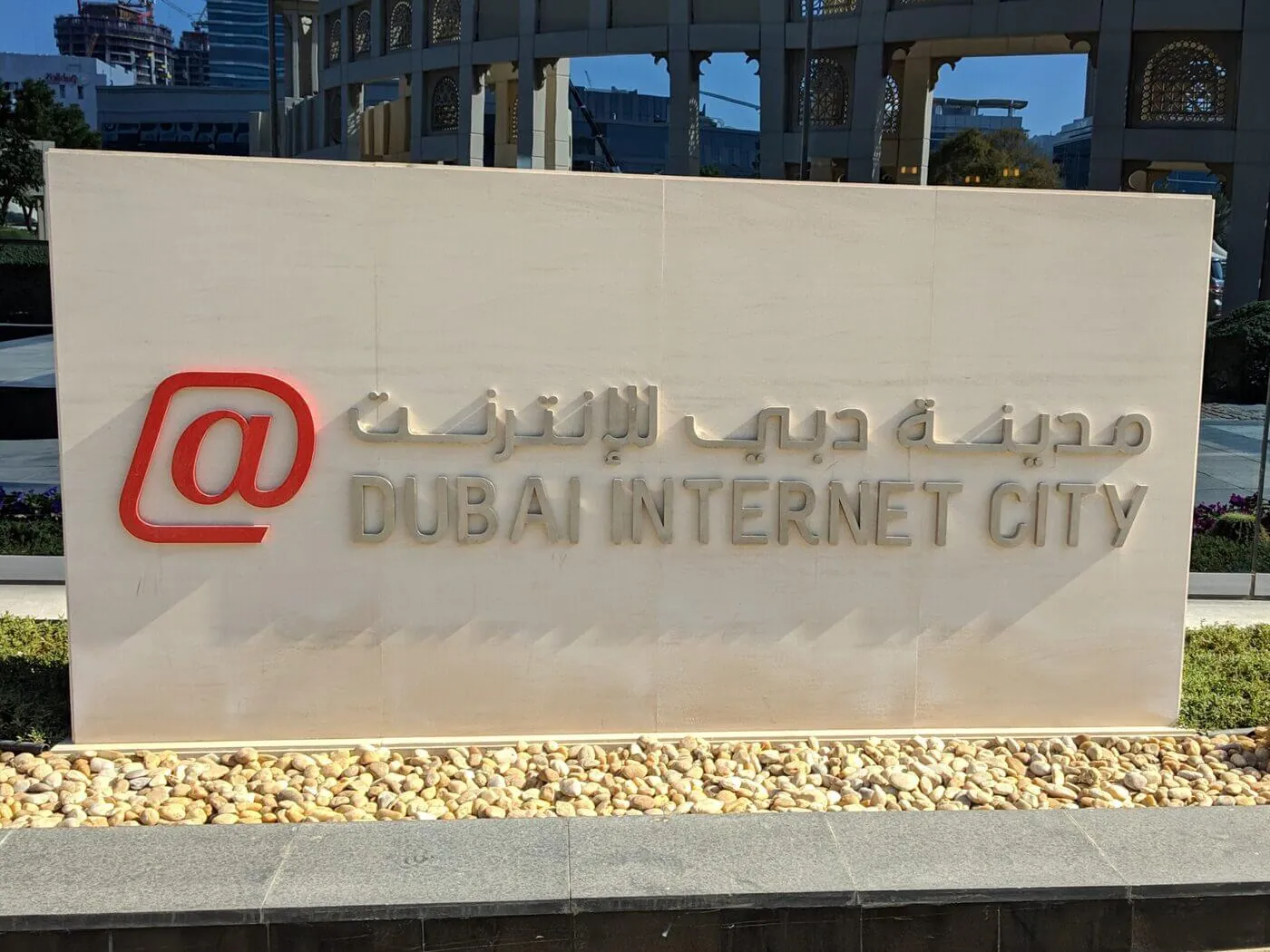
- Dubai Internet City (DIC) for IT and telecommunications
- Dubai Silicon Oasis (DSO) for technology manufacturing
- Abu Dhabi Global Market (ADGM) for fintech and financial services
Manufacturing and Industrial Operations
Industrial enterprises should evaluate:
- Khalifa Industrial Zone Abu Dhabi (KIZAD) for heavy manufacturing
- Dubai Industrial City for diverse industrial activities
- Jebel Ali Free Zone (JAFZA) for logistics and manufacturing
Market Access Requirements
| Structure Type | UAE Market Access | GCC Market Access | Global Market Access |
|---|---|---|---|
| Mainland LLC | Unlimited | Yes | Yes |
| Free Zone | Restricted* | Yes | Yes |
| Offshore | No | Limited | Yes |
*Free zone companies can access UAE mainland market through distribution agreements or by obtaining mainland trade license.
Ownership and Control Considerations
Foreign Ownership Flexibility
Recent legislative changes have revolutionized foreign ownership rules:
- 100% Foreign Ownership: Now permitted in most mainland sectors under the new Commercial Companies Law
- Strategic Sectors: Certain sectors still require UAE national partnerships
- Free Zone Advantage: Continues to offer guaranteed 100% foreign ownership across all permitted activities
Tax Implications and Optimization
Corporate Tax Landscape
The UAE introduced federal corporate tax in 2023, creating new considerations:
Mainland Companies
- Subject to 9% corporate tax on profits exceeding AED 375,000
- Full access to double taxation treaties
- Comprehensive corporate tax planning required
Free Zone Companies
- Potential 0% corporate tax rate for qualifying activities
- Must meet substance requirements
- Enhanced compliance obligations
Offshore Companies
- Generally exempt from UAE corporate tax
- Limited business activity scope
- Ideal for holding and investment structures
VAT Considerations
All UAE business structures must consider VAT registration requirements:
- Mandatory registration for businesses with annual turnover exceeding AED 375,000
- Voluntary registration available for smaller businesses
- Specialized VAT services essential for compliance

Sector-Specific Structure Recommendations
Financial Services and Fintech
Recommended Structures:
- DIFC Company – For comprehensive financial services
- ADGM Company – For Islamic finance and wealth management
- DMCC Company – For commodities trading and precious metals
Key Advantages:
- Robust regulatory frameworks
- International recognition
- Access to global financial markets
- Comprehensive legal protections
E-commerce and Digital Business
Optimal Structures:
- Dubai CommerCity Free Zone – Specialized for e-commerce
- Dubai Internet City – For digital services and platforms
- Mainland LLC – For comprehensive UAE market access
Strategic Benefits:
- Streamlined licensing for digital activities
- Advanced logistics and fulfillment infrastructure
- Integration with global e-commerce platforms
Healthcare and Life Sciences
Preferred Structures:
- Dubai Healthcare City – For medical services and facilities
- Abu Dhabi Global Market – For healthcare investment and insurance
- Mainland Professional License – For individual practitioners
Real Estate and Construction
Recommended Approaches:
- Mainland LLC – For comprehensive real estate development
- DIFC Company – For real estate investment and funds
- Offshore Company – For international real estate holding
Regulatory Compliance and Governance
Corporate Governance Requirements
Mainland Companies
- Board of directors (minimum 3 for public companies)
- Annual general meetings mandatory
- Detailed record-keeping requirements
- Regular regulatory filings
Free Zone Companies
- Simplified governance structures
- Annual returns and renewals
- Zone-specific compliance requirements
- Enhanced reporting for larger entities
Licensing and Permits
Professional Services Licensing
For consultancy, legal, and professional services:
- Professional license requirements
- Qualification verification processes
- Ongoing professional development obligations
Commercial Trading Licenses
For import/export and trading activities:
- Comprehensive activity descriptions
- Supplier and customer documentation
- Trade compliance requirements
Banking and Financial Infrastructure
Bank Account Opening Strategies
Mainland Companies
- Broader banking options
- Established relationships with local banks
- Enhanced credibility with financial institutions
Free Zone Companies
- Zone-specific banking partnerships
- Streamlined account opening processes
- International banking relationships
Key Banking Considerations:
- Minimum deposit requirements (typically AED 3,000 – AED 25,000)
- Documentation requirements
- Ongoing compliance obligations
- Professional bank account opening services recommended
Financial Planning and Cash Flow
Capital Requirements Planning
- Initial setup costs (AED 15,000 – AED 50,000 depending on structure)
- Annual renewal fees
- Ongoing compliance costs
- Working capital requirements
Cost-Benefit Analysis Framework
| Cost Category | Mainland LLC | Free Zone FZE | Offshore Company |
|---|---|---|---|
| Setup Costs | AED 25,000-35,000 | AED 15,000-25,000 | AED 12,000-20,000 |
| Annual Renewal | AED 8,000-15,000 | AED 10,000-20,000 | AED 5,000-10,000 |
| Tax Efficiency | Moderate | High | Very High |
| Market Access | Excellent | Limited | None |
Advanced Structuring Strategies
Multi-Jurisdictional Structures
Holding Company Strategies
For complex international operations:
- UAE Offshore Holding – For international subsidiaries
- DIFC/ADGM Holding – For regional financial operations
- Mainland Operating – For UAE market activities
Benefits:
- Tax optimization across jurisdictions
- Risk segregation
- Enhanced operational flexibility
- Regulatory arbitrage opportunities
Succession Planning and Exit Strategies
Business Continuity Planning
- Shareholder agreements and succession clauses
- Management transition protocols
- Asset protection mechanisms
- Exit strategy optimization
Merger and Acquisition Considerations
- Due diligence requirements
- Regulatory approval processes
- Tax implications of transactions
- Post-transaction integration planning
Emerging Trends and Future Considerations
Digital Transformation Impact
Blockchain and Cryptocurrency

- Regulatory developments in digital assets
- Licensing requirements for crypto businesses
- Compliance with international standards
Artificial Intelligence and Technology
- Specialized licensing for AI companies
- Data protection and privacy requirements
- International technology transfer regulations
Sustainability and ESG Compliance
Environmental Regulations
- Green business incentives
- Sustainability reporting requirements
- Carbon footprint considerations
Social Responsibility
- Emiratization requirements
- Community investment obligations
- Stakeholder engagement protocols
Risk Management and Mitigation
Legal and Regulatory Risks
Compliance Risk Management
- Regular legal audits and reviews
- Regulatory change monitoring
- Professional advisory relationships
- Documentation and record-keeping systems
Operational Risk Mitigation
- Insurance requirements and coverage
- Business continuity planning
- Cybersecurity and data protection
- Supply chain risk management
Financial Risk Management
Currency and Market Risks
- Multi-currency exposure management
- Hedging strategies and instruments
- Market volatility considerations
- Economic cycle planning
Implementation Roadmap
Phase 1: Strategic Planning (Weeks 1-2)
- Business model analysis and validation
- Market research and competitive analysis
- Structure selection and optimization
- Professional advisory team assembly
Phase 2: Documentation and Preparation (Weeks 3-4)
- Legal documentation preparation
- Regulatory compliance planning
- Banking relationship establishment
- Office space and infrastructure setup
Phase 3: Incorporation and Launch (Weeks 5-6)
- Official registration and licensing
- Bank account activation
- Operational system implementation
- Market entry execution
Phase 4: Optimization and Growth (Ongoing)
- Performance monitoring and analysis
- Regulatory compliance maintenance
- Strategic review and adjustment
- Expansion planning and execution
Frequently Asked Questions
Q: Can I change my business structure after incorporation?
A: Yes, business structures can be modified through legal procedures, though this may involve costs and regulatory approvals. It’s advisable to select the optimal structure initially to avoid future complications.
Q: What are the minimum capital requirements for different structures?
A: Mainland LLCs require minimum AED 300,000 share capital, while free zone requirements vary by zone (often no minimum). Offshore companies typically have minimal capital requirements.
Q: How long does the incorporation process take?
A: Mainland companies typically require 2-3 weeks, free zone companies 1-2 weeks, and offshore companies 1-2 weeks, depending on documentation completeness and regulatory processing times.
Q: Can I operate multiple business activities under one license?
A: Yes, most structures allow multiple related activities under a single license, though some specialized activities may require separate licensing.
Q: What ongoing compliance obligations should I expect?
A: All structures require annual renewals, regular filings, and compliance with tax obligations including VAT filing and corporate tax compliance.
Conclusion
Selecting the optimal legal structure for your UAE business venture requires careful consideration of multiple factors including business activities, market access requirements, ownership preferences, and long-term strategic objectives. The UAE’s dynamic regulatory environment continues to evolve, offering enhanced opportunities for international businesses while maintaining robust compliance frameworks.
Based on our experience guiding thousands of businesses through this process, success depends on thorough planning, professional guidance, and strategic alignment between business objectives and structural choices. The investment in proper structure selection pays dividends through operational efficiency, tax optimization, and regulatory compliance.
Whether you’re establishing a tech startup in Dubai’s innovation ecosystem, launching a manufacturing operation in Abu Dhabi’s industrial zones, or creating an international holding structure, the UAE offers world-class infrastructure and business-friendly regulations to support your entrepreneurial ambitions.
Ready to architect your UAE business success? Our expert team at Inlex Partners brings over a decade of specialized experience in UAE business formation and structuring. We’ve successfully guided over 2,000 international businesses through the complexities of UAE incorporation, ensuring optimal structure selection and seamless market entry.
Why choose Inlex Partners for your UAE business setup?
- Proven Expertise: 10+ years specializing in UAE business law and formation
- Comprehensive Services: From structure selection to ongoing compliance management
- Strategic Guidance: Tailored solutions aligned with your business objectives
- End-to-End Support: Complete incorporation, licensing, and operational setup
Take the next step toward your UAE business success. Contact our expert advisors today for a personalized consultation and discover how we can optimize your business structure for maximum growth and efficiency.
Contact Information:
- Phone/WhatsApp: +971 52 564 6001
- Email: office@inlex-partners.com
Don’t leave your business structure to chance. Partner with the UAE’s leading business formation specialists and ensure your venture is built on the strongest possible foundation.
About the Author


